Today's Summary
August 3 sits between structural shocks: Xbox hardware already costs more, PlayStation Plus is about to unlock a mixed August catalog, Gears of War: E-Day’s multiplayer beta is days away, and Nintendo has cleared a full Direct stage for Fire Emblem Fortune’s Weave. The industry’s near-term priority is no longer only shipping content. It is controlling how cheaply and clearly players can start.
Editor's Viewpoint
The strongest development signal on August 3 is friction management. Platforms are raising hardware prices while multiplying free hours, open betas, and monthly catalog drops. Nintendo is spending scarce attention on a single systems-heavy franchise because comprehension itself has become a marketing problem. Indies are using demos and final free updates to stay visible without buying spectacle.
If you are building right now, the practical lesson is blunt. Make the first session obvious. Make the value legible. Make the path from curiosity to play short. The companies winning the next quarter will not only have bigger worlds. They will have lower-cost beginnings and clearer reasons to stay.
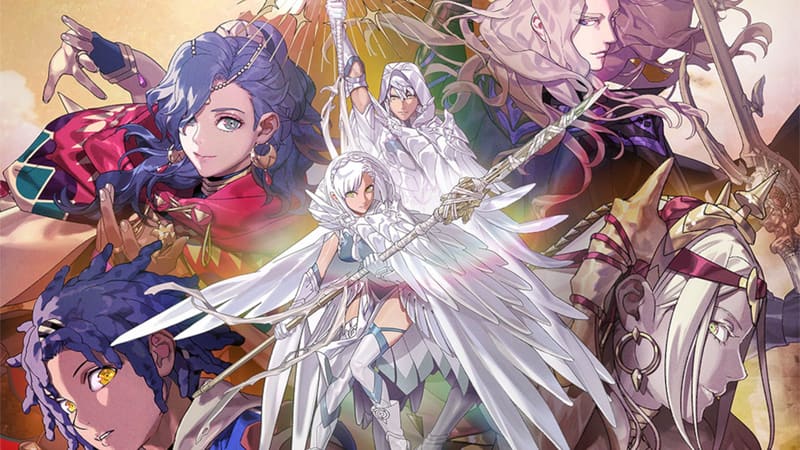
Nintendo sets a Fire Emblem Fortune's Weave Direct for August 4
GamesRadar+ reports that Nintendo has scheduled a dedicated Fire Emblem Fortune’s Weave Direct for August 4, promising about 20 minutes of strategy RPG news. The focused format is itself the signal: Nintendo is not folding the game into a mixed Direct. It is giving a single franchise enough airtime to reintroduce systems, characters, and the campaign fantasy before the broader autumn calendar crowds the conversation.
For development and publishing teams, a franchise Direct is a reminder that attention can still be manufactured when a brand is strong enough. For players, it is a rarer kind of appointment viewing. Tomorrow’s broadcast will decide whether Fortune’s Weave looks like a refinement of recent Fire Emblem or a sharper reset in presentation and structure.
Key Points
- Dedicated showcase — Roughly 20 minutes reserved for one strategy RPG.
- August 4 airtime — The Direct becomes an industry calendar event for the week.
- Franchise focus — Nintendo is betting depth beats a mixed trailer dump.
- Watch point — Systems, cast, and tone will matter more than a single cinematic.
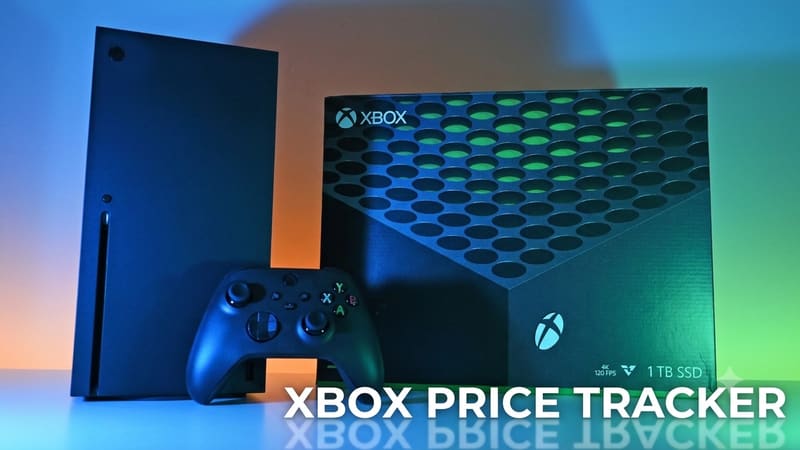
Xbox Series X|S price hikes settle in as August buying decisions get harder
Windows Central’s pricing tracker shows Xbox Series X and Series S list prices remain elevated after the August 1 adjustment, with some configurations rising by as much as $150. The story is no longer the announcement. It is the new normal: hardware sticker shock is now part of the same week as free betas, ad-supported cloud tests, and monthly subscription drops.
That collision is strategically important. When the box costs more, every free hour of play has to work harder as a conversion tool. Publishers and platform teams will spend the next month watching whether higher hardware prices suppress attach rates or simply push more players into Game Pass and cloud experiments.
Key Points
- Price floor moved — August listings confirm the hike is real, not temporary theater.
- Up to $150 — The jump is large enough to delay household upgrades.
- Conversion pressure — Free access windows become more important as hardware friction rises.
- Market read — Console value now has to be argued, not assumed.
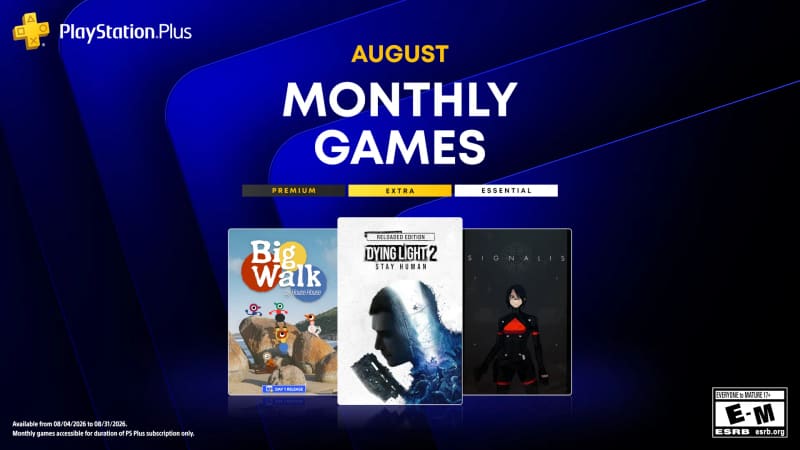
PlayStation Plus August games unlock tomorrow with Dying Light 2, Big Walk and Signalis
Sony’s August PlayStation Plus Monthly Games become available on August 4, mixing Dying Light 2 Stay Human: Reloaded Edition with Big Walk and Signalis. The lineup is deliberately uneven in scale: one large co-op action game, one social walking adventure, and one cult horror title. That variety is the product strategy. A monthly drop does not need one perfect audience. It needs several reasons to open the store.
In a week defined by hardware inflation and platform anxiety, Plus remains Sony’s quiet retention machine. The question for August is whether subscribers treat the drop as background noise or as a reason to reinstall and stay for the weekend.
Key Points
- August 4 unlock — The monthly catalog lands at the start of the month.
- Mixed moods — Action, co-op exploration and horror share the same drop.
- Retention tool — Plus is still a low-friction way to defend living-room defaults.
- Discovery bet — Smaller titles get a rare shot at mainstream PlayStation attention.
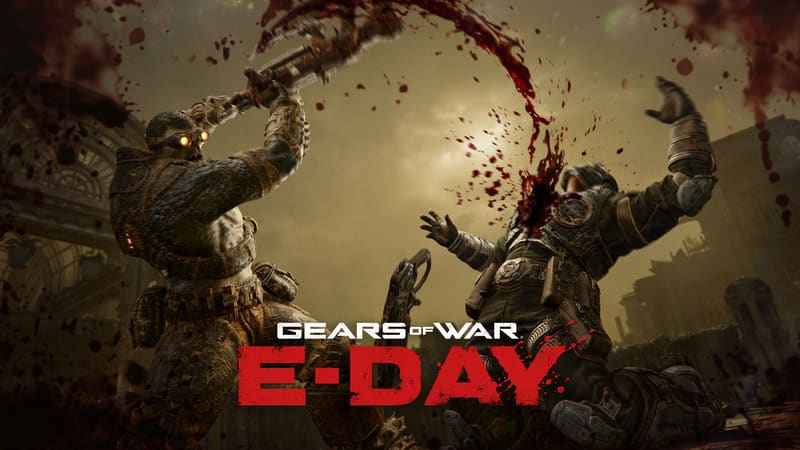
Gears of War: E-Day open beta countdown becomes the week’s multiplayer test
With the August 6 open beta approaching, Xbox Wire’s multiplayer deep dive for Gears of War: E-Day is still shaping the week’s conversation. Horde Siege and evolved Versus modes are being sold as the reason to pre-order or keep Game Pass active, not merely as post-launch extras. That is a familiar Gears pattern, but the timing is sharper this year because Xbox needs hands-on proof after soft revenue headlines and higher hardware prices.
Open betas are no longer side events. They are launch infrastructure. If the August 6 session feels sticky, E-Day gains social momentum before gamescom season fully takes over. If it feels unfinished, the franchise will spend autumn repairing first impressions.
Key Points
- August 6 beta — The hands-on window is now the main marketing instrument.
- Horde Siege focus — Multiplayer identity is being rebuilt in public.
- Conversion path — Pre-order and Game Pass access are tied to early play.
- Franchise risk — First multiplayer contact may define the campaign’s shadow.
Xbox’s ad-supported cloud test keeps the free-hour strategy in focus
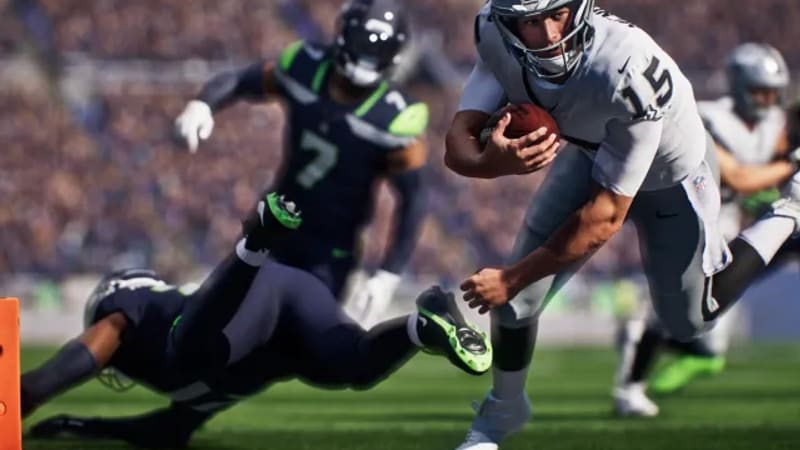
Microsoft’s Insider test of free, ad-supported cloud streaming for owned games remains one of the most important experiments of the summer. The offer is narrow by design: selected titles, capped sessions, ads before play. It is not a free Xbox tier. It is a probe into whether advertising can buy just enough cloud time to keep libraries alive without expanding unlimited entitlements.
As console prices rise, that probe becomes more urgent. Platforms are competing over the cost of beginning a session. The company that makes the first hour cheaper without destroying subscription margins may define the next phase of platform economics.
Key Points
- Owned games only — The free path is a library unlock, not a catalog giveaway.
- Session caps — Microsoft is measuring demand under tight constraints.
- Ad subsidy — Commercials are being tested as cloud-cost offsets.
- Strategic stakes — Cheap starts matter more when hardware costs more.
Double Fine’s post-Xbox layoffs still hang over the creative studio story
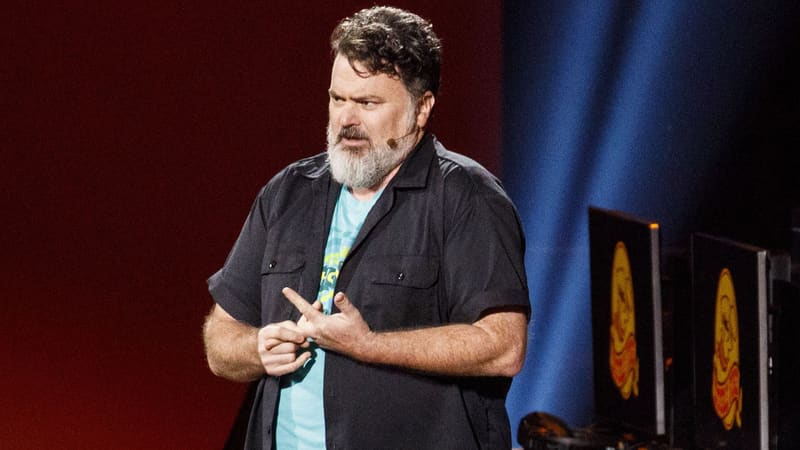
Tim Schafer’s announcement that Double Fine cut 23 people continues to color the week’s studio conversation. The layoffs landed only weeks after Xbox moved the company back toward independence, turning a narrative of creative freedom into a story about immediate survival pressure. Distinctive studios remain exposed when ownership, funding, and project timing all shift at once.
For the broader industry, Double Fine is a warning label. Leaving a platform owner can restore identity and still remove the buffer that kept teams intact. Independence is not the opposite of risk. It is a different risk profile.
Key Points
- 23 roles cut — The reduction is large enough to reshape production capacity.
- Survival framing — Leadership presented the move as necessary, not optional.
- Ownership whiplash — Freedom and fragility arrived together.
- Industry lesson — Creative reputation does not guarantee headcount stability.

Xbox revenue decline keeps Microsoft’s gaming division under efficiency pressure
Microsoft’s latest earnings still show Xbox revenue down about 10 percent even as cloud and AI businesses surge. That split is becoming structural: the parent company can fund bets, but the gaming division has to justify efficiency. Free play days, open betas, and ad-supported streaming are easier to understand against that backdrop.
The practical consequence for partners is simple. Xbox will keep buying attention with access experiments while demanding cleaner proofs that first-party and third-party bets can convert. Soft revenue does not end ambition. It changes the burden of proof.
Key Points
- 10% decline — Gaming remains a soft spot inside a stronger Microsoft.
- AI contrast — Cloud and AI growth set a brutal internal comparison.
- Efficiency mandate — Access experiments must show measurable conversion.
- Partner impact — Pitch quality and proof points matter more than slogans.
Xbox’s gamescom 2026 footprint turns the next fortnight into a pipeline test
Xbox’s gamescom plan — 25 upcoming games and 140 playable stations — is already shaping August priorities. After layoffs, strategy resets, and pricing noise, the company needs the show floor to look abundant. Hands-on volume is the message. Trailers alone will not repair confidence.
For developers, gamescom is becoming less about a single keynote moment and more about whether a booth can create lines, clips, and day-two coverage. Xbox is organizing for that reality. The next two weeks will reveal whether the pipeline can fill the space it reserved.
Key Points
- 25 upcoming games — Breadth is the show strategy.
- 140 stations — Hands-on access is prioritized over pure spectacle.
- Confidence repair — Xbox needs public proof after a turbulent stretch.
- Calendar effect — August marketing now orbits the Cologne deadline.
Flamecraft’s PS5 demo keeps cozy strategy in the August discovery mix
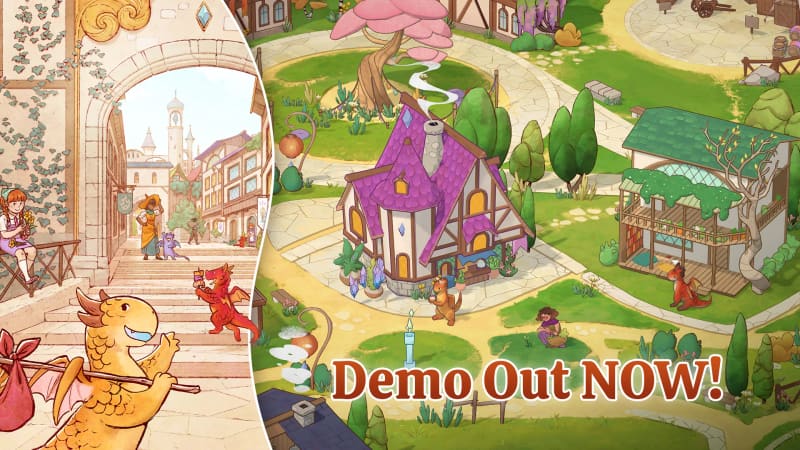
Flamecraft’s PlayStation 5 demo remains one of the cleaner indie discovery plays of the period. The game’s pitch is easy to grasp: become a Flamekeeper, help Artisan Dragons settle into shops, and build a low-pressure magical town. A free demo is the correct strategy for that fantasy because the first five minutes sell the mood better than any feature list.
In a news cycle dominated by billion-dollar ownership changes and hardware inflation, cozy indies still compete by lowering the emotional cost of trying something new. Flamecraft is doing that job with unusual clarity.
Key Points
- Demo-first launch path — Players can sample before the full PS5 release.
- Readable fantasy — Dragons and shopkeeping need little explanation.
- Local multiplayer — Household play strengthens console fit.
- Discovery timing — Soft alternatives matter in a hard business week.
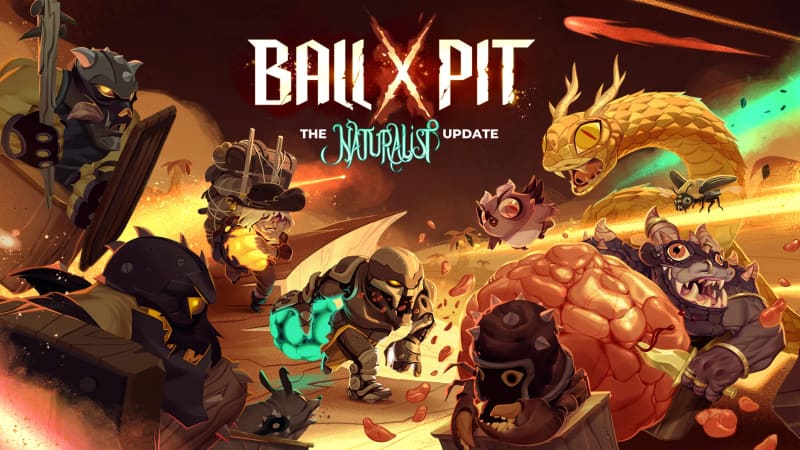
Ball x Pit’s final free update on August 6 closes support with systems, not a paid expansion
Ball x Pit is ending major free support with The Naturalist update on August 6, adding characters, balls, and passives instead of converting the finale into DLC. That choice is a reputation move as much as a content move. Players remember whether a studio left a systems game richer than it found it.
The timing is smart. As bigger platform stories dominate headlines, a final free content bomb can create a second discovery wave without buying expensive marketing. For other indies, it is a reminder that support endings can still be launches.
Key Points
- Final free drop — The Naturalist is framed as the last major free update.
- Systems focus — New characters and toys deepen builds rather than sell a season pass.
- August 6 timing — The update lands in a crowded attention window.
- Reputation play — Closing support generously can reawaken word of mouth.
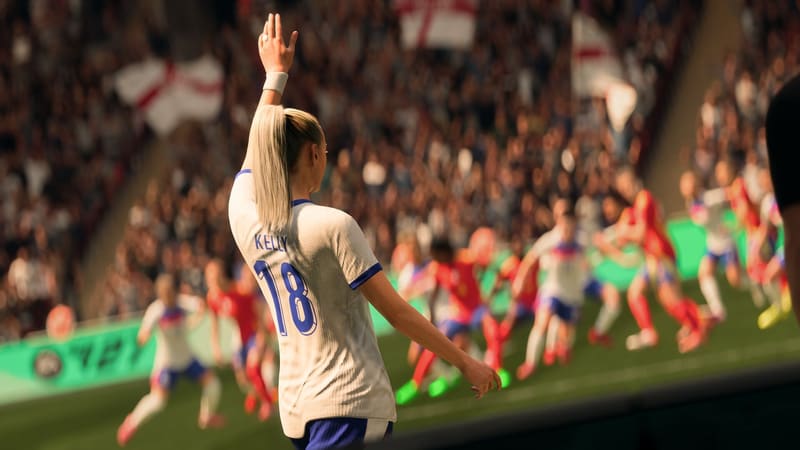
EA’s $55 billion take-private path reaches the final countdown
Heading into August 4, coverage of Electronic Arts’ $55 billion take-private deal has shifted from possibility to countdown. Regulatory clearance left the transaction positioned to close, ending EA’s long life as a public-market publisher under a Saudi-backed investor group. The industry is no longer asking whether the deal can happen. It is asking what private ownership will demand next.
Debt-heavy buyouts usually intensify portfolio discipline. Sports, live service, and prestige single-player will all be re-read through a cost-of-capital lens. For developers and partners, the closing week is less about celebration than about studying which bets still look fundable when quarterly theater ends and private pressure begins.
Key Points
- Closing window — The buyout moved from rumor to final-stage completion.
- Ownership change — EA is exiting the public-market reporting cycle.
- Capital pressure — Private structures often demand sharper prioritization.
- Industry stakes — One of gaming’s largest publishers is about to operate under new rules.
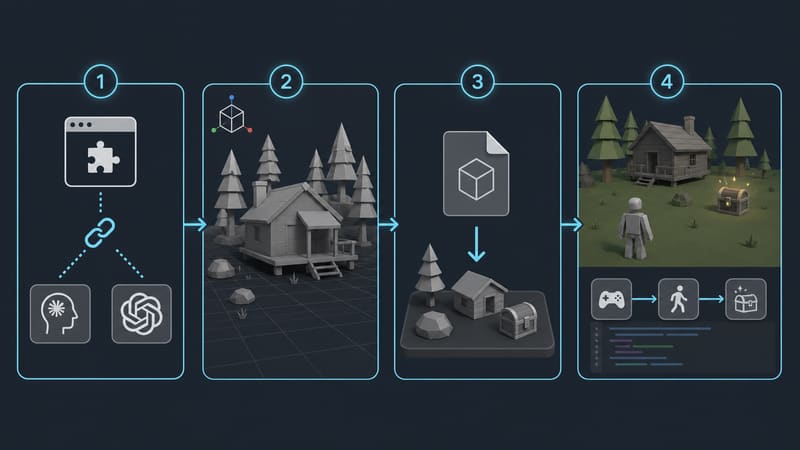
AI-assisted production tools stay in the indie priority stack as prototype speed becomes strategy
Away from platform megadeals, independent developers are still organizing around a quieter priority: shorter paths from idea to playable proof. Tooling conversations this week continue to favor workflows that let small teams greybox scenes, export assets, and test interactions quickly rather than waiting for perfect art pipelines. That is why Blender-connected assistants, engine-side automation, and tiny vertical slices keep appearing in practical guides.
The strategic point is not that AI replaces game development. It is that prototype latency has become a competitive variable. Teams that can judge a fantasy in a day will kill bad ideas earlier and fund good ones longer. In a market defined by expensive hardware and scarce attention, speed to evidence is becoming a production value of its own.
Key Points
- Prototype latency — Faster playable tests beat prettier unfinished decks.
- Tooling focus — Asset bootstrap and engine handoff remain the bottleneck.
- Indie advantage — Small teams gain more from short loops than from spectacle.
- Priority shift — Development focus is moving toward evidence, not only content volume.