Today's Summary
August 4 is a structural day for games: Electronic Arts becomes a private company, a leaked Xbox Helix memo says the next console could run every Xbox generation if publishers opt in, Nintendo stages a Fire Emblem Direct, and PlayStation Plus rotates a new monthly catalog into living rooms. The fight is no longer only over trailers. It is over who owns the catalog and how much of it remains playable.
Editor's Viewpoint
Today’s real story is rule-setting. EA’s close changes the capital environment around one of the industry’s biggest content engines. Helix changes the imagined future of Xbox libraries, then immediately complicates it with publisher opt-ins. Plus and Fire Emblem show that attention still has to be won in the present while those futures are negotiated.
Developers should read the day as a constraints map. Private ownership can mean sharper prioritization. Generational compatibility can mean new certification and rights work. Subscription drops and franchise Directs still decide what players actually launch tonight. Strategy that cannot survive all three layers is incomplete.
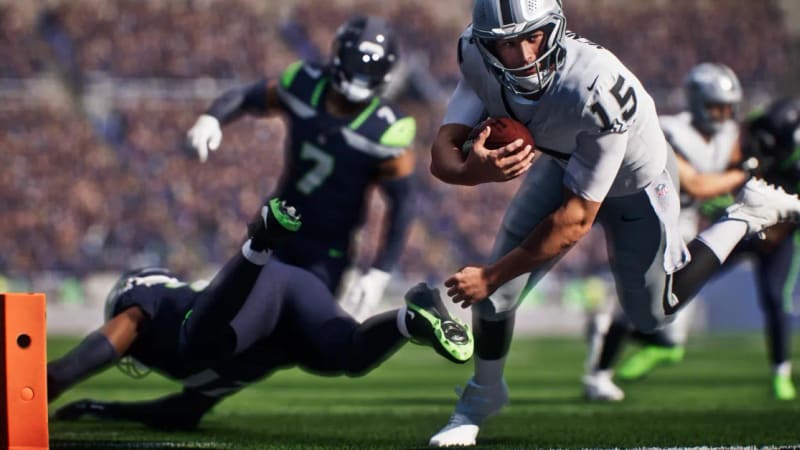
EA is now a private company after the $55 billion deal closes
The Verge reports that Electronic Arts has officially become a private company after an investor group led by Saudi Arabia’s Public Investment Fund, Silver Lake, and Affinity Partners completed the take-private transaction. One of the largest publishers in games has left the public markets. The deal’s size made it historic. The close makes it operational.
From today, EA’s incentives change shape. Public quarterly theater fades. Private capital discipline rises. Staff, partners, and competitors will watch whether sports live-service machines are protected, whether single-player prestige shrinks, and whether cost cutting becomes the main creative strategy. Ownership is no longer a rumor. It is the new operating environment.
Key Points
- Deal closed — EA is no longer a publicly traded publisher.
- Investor group — PIF, Silver Lake and Affinity Partners now control the company.
- Strategic reset — Portfolio priorities will be re-read under private ownership.
- Industry shockwave — A top-tier publisher just changed the rules it lives under.
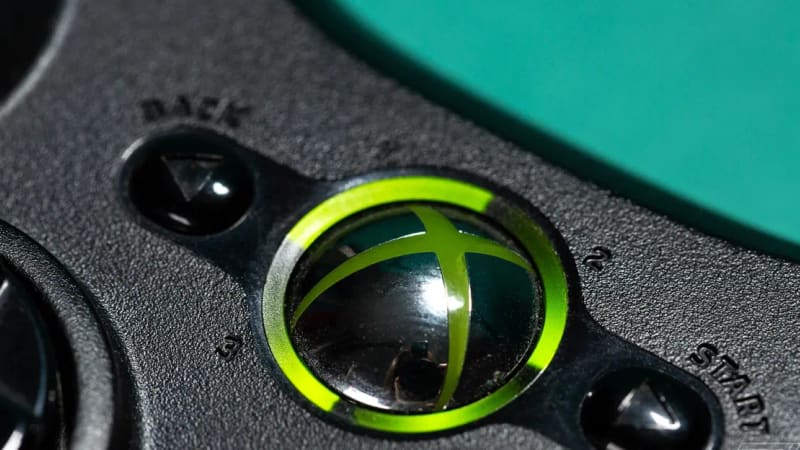
Leaked Xbox Helix memo says the next Xbox could run every generation — if publishers opt in
According to The Verge, a leaked Microsoft memo on Project Helix claims the next Xbox generation is being designed to play games from every prior Xbox generation. The catch is commercial as much as technical: publishers would need to buy into the compatibility path. Hardware ambition is not enough if rights holders do not enable the catalog.
That makes Helix one of the most important platform stories of the year. Microsoft is trying to turn the entire Xbox library into a reason to stay. But the memo also exposes the modern platform truth: compatibility is a negotiation, not only an engineering achievement. The next Xbox may be able to run everything. Whether everything is allowed to run is a different product fight.
Key Points
- All-generation pitch — Helix aims beyond ordinary backwards compatibility.
- Publisher opt-in — Catalog reality depends on commercial participation.
- Platform strategy — Microsoft wants library gravity as a retention weapon.
- Key risk — Technical readiness can still lose to rights friction.
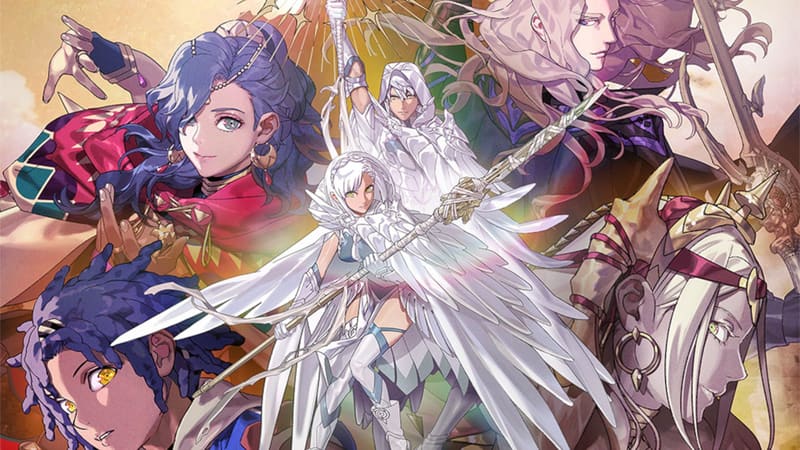
Fire Emblem Fortune's Weave Direct lands as Nintendo’s pure-franchise showcase
August 4’s Fire Emblem Fortune’s Weave Direct gives Nintendo a clean stage for one strategy RPG brand. In a week otherwise dominated by platform finance and hardware futures, the showcase is a useful reminder that franchise depth still creates appointment viewing. Twenty focused minutes can do more for a tactics game than a fifteen-second slot inside a mixed Direct.
The development takeaway is about packaging. When a game’s systems need explanation, a dedicated broadcast is often the only format that works. Nintendo is using that format aggressively. The rest of the industry should study whether the resulting wishlist and discussion spike justifies more single-franchise showcases.
Key Points
- Single-brand stage — Fire Emblem gets uninterrupted time.
- Systems need space — Strategy RPGs benefit from longer explanation windows.
- Calendar contrast — Soft power marketing lands beside hard business news.
- Success metric — Wishlists and comprehension will matter more than clip volume.
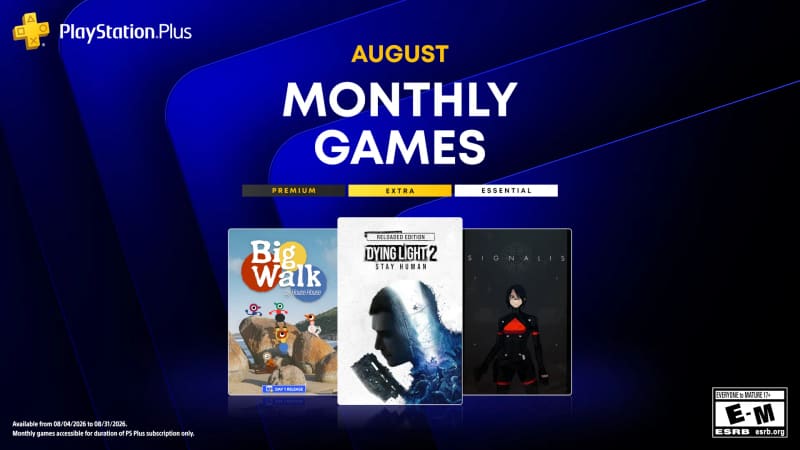
PlayStation Plus August lineup goes live with a three-mood catalog drop
PlayStation Plus subscribers can now claim Dying Light 2 Stay Human: Reloaded Edition, Big Walk, and Signalis. Sony’s August mix covers a large co-op sandbox, a cooperative walking adventure, and a cult horror favorite. The product logic is portfolio, not purity. One drop tries to serve multiple living-room moods at once.
Monthly games rarely dominate headlines on a day when EA goes private, but they still move behavior. A good Plus drop can reinstall habits, create weekend plans, and keep the service feeling alive while bigger platform wars rage above it.
Key Points
- Now available — August monthly games unlock for subscribers.
- Catalog balance — Big action, social co-op and horror share the slate.
- Habit design — The drop is built to reopen the store, not just fill a list.
- Quiet competition — Subscription value still fights hardware and ownership news for attention.
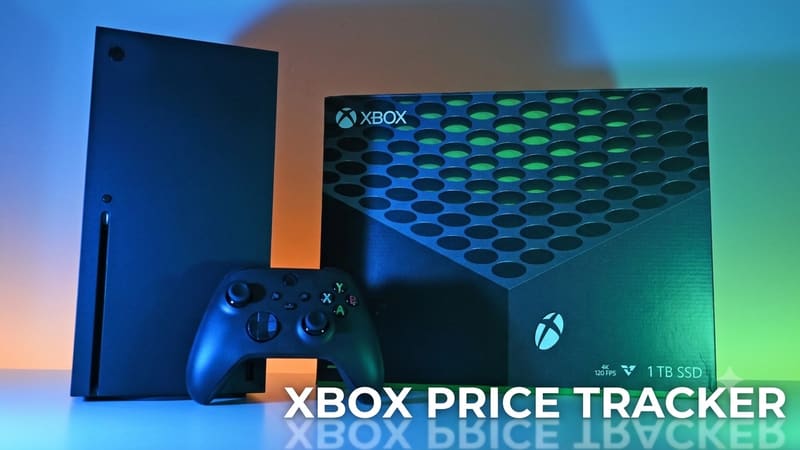
Higher Xbox hardware prices reframe every free-access experiment around them
With EA’s close and Helix leaks dominating the day, it is easy to forget that Xbox consoles already cost more than they did before August. That fact changes the meaning of every free beta, free play weekend, and ad-supported stream. Microsoft is raising the cost of entry while multiplying the number of temporary doors into content.
The resulting strategy is coherent even when it feels contradictory. Charge more for the machine. Make the first session cheaper. Whether players experience that as generosity or as confusion will shape the next hardware cycle.
Key Points
- Hardware friction up — Series X|S pricing remains elevated.
- Access friction down — Free sessions are being used as counterweights.
- Message risk — Players may hear “more expensive” louder than “easier to try.”
- Cycle stakes — The next Xbox pitch has to resolve this tension.
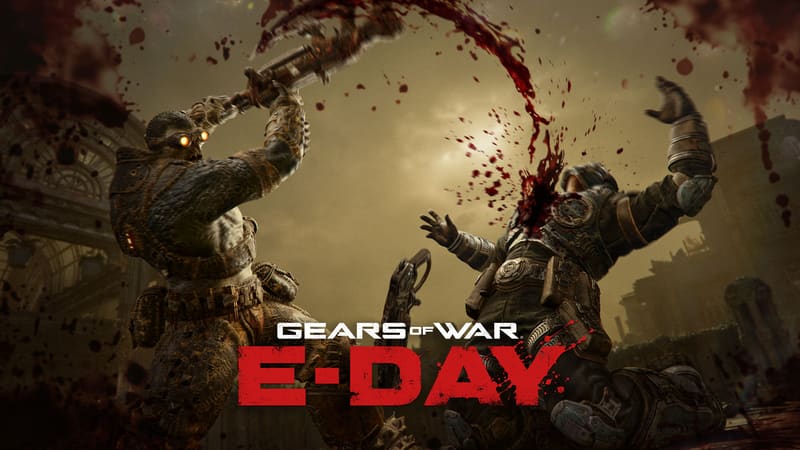
Gears of War: E-Day multiplayer beta becomes a near-term proof point for Xbox momentum
Two days from the August 6 open beta, Gears of War: E-Day is no longer only a trailer product. It is a near-term test of whether Xbox can still create a multiplayer event that people rearrange evenings for. Horde Siege and Versus changes are the bait. Netcode feel and mode clarity will be the verdict.
On a day of structural platform news, a beta can look small. It is not. Ownership memos and compatibility dreams are abstract. A weekend multiplayer event is concrete. Xbox needs concrete wins.
Key Points
- Immediate calendar — The beta is days away, not theoretical.
- Mode identity — Horde Siege must justify the hype quickly.
- Event power — Live multiplayer can cut through finance headlines.
- Franchise pressure — First hands-on contact will travel farther than another CGI short.
Microsoft’s earnings split still frames Xbox as the division that must prove efficiency
Even as Helix promises a library-driven future, Microsoft’s recent earnings still showed Xbox revenue sliding while AI and cloud accelerated. That internal contrast shapes every leaked memo and public bet. A richer compatibility story is easier to fund when the parent company is strong. It is harder to sell if gaming keeps underperforming the rest of the house.
Helix, Game Pass packaging, and hardware pricing all sit inside that tension. Microsoft can afford long bets. It will not indefinitely tolerate soft proof.
Key Points
- Soft gaming line — Recent revenue pressure remains part of the context.
- Strong parent — AI and cloud growth keep strategic patience possible.
- Proof burden — Big ideas still need conversion and retention evidence.
- Memo vs math — Ambition must eventually show up in results.
Studio independence looks less romantic after Double Fine’s cuts
Double Fine’s 23 layoffs remain a human counterpoint to today’s ownership spectacle. Leaving a platform giant can restore creative identity and still force immediate austerity. The story matters on EA’s first private-company day because it shows the other face of structural change: people absorb the transition costs first.
As more studios move between independence, acquisition, and re-independence, the industry needs a more honest vocabulary. Freedom is not free. Buffers matter. When they disappear, so do jobs.
Key Points
- Human cost — Structural shifts still end as staffing decisions.
- Independence risk — Creative freedom can arrive with thinner safety nets.
- Timing lesson — Ownership changes and layoffs often travel together.
- Industry memory — Today’s corporate headlines have workplace consequences tomorrow.
gamescom preparation intensifies as Xbox sells abundance over narrative repair
With Helix talk rising, Xbox’s gamescom footprint looks even more like a confidence operation. 25 upcoming games and 140 playable stations are designed to make the booth feel full. On a day when Microsoft is also discussing generational compatibility dreams, the show floor has to answer a simpler question: what can players touch soon?
That is healthy pressure. Platform futures are cheap to announce. Demo lines are expensive to fill. gamescom will test whether Xbox’s near-term catalog can carry the weight of its long-term story.
Key Points
- Hands-on mandate — Volume of playable games is the strategy.
- Story vs booth — Compatibility dreams still need current software proof.
- Show deadline — August now bends toward Cologne.
- Perception battle — Abundance is being used as an argument.
Ad-supported cloud streaming remains Microsoft’s most radical cheap-start experiment
While Helix imagines a future where every Xbox game can run on the next box, the ad-supported cloud test imagines a present where starting a game costs only a little attention. Both ideas are about removing friction. One removes generational walls. The other removes payment walls for a limited session.
Together they show Microsoft attacking the same problem from opposite ends: keep people inside the library, and make the first click cheaper than churn. That is the throughline beneath today’s flashier headlines.
Key Points
- Cheap starts — Ads are being tested as a key to owned-game streaming.
- Library logic — The experiment assumes players already bought something worth launching.
- Complement to Helix — Compatibility and session access solve adjacent retention problems.
- Business design — Microsoft is prototyping the economics of beginning play.
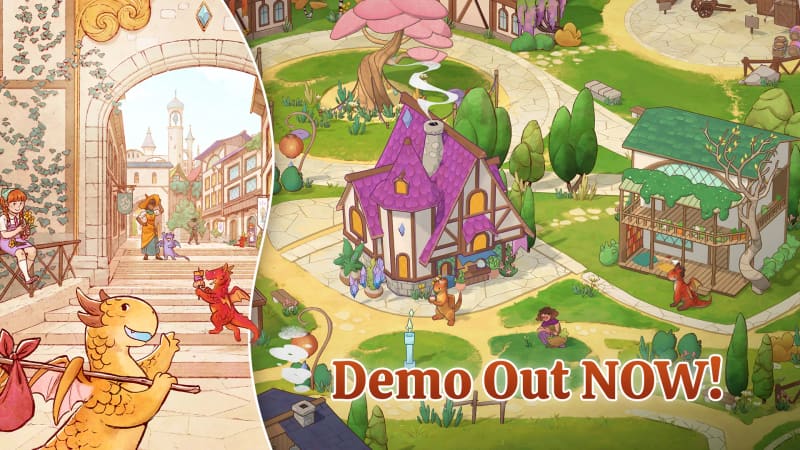
Indie demos and free finales keep the non-blockbuster lane active
Even on a structural news day, the mid-tier discovery layer keeps moving. Flamecraft’s PS5 demo and Ball x Pit’s coming final free update are small compared with EA’s close, but they represent the other economy of games: low-cost trials, goodwill updates, and short fantasy pitches that do not need a billion-dollar narrative.
That layer matters more when big platforms feel expensive or abstract. Players still need places to land tonight. Indies that make landing easy will keep stealing evenings from the megastories.
Key Points
- Demo economy — Small games compete by reducing the cost of curiosity.
- Goodwill updates — Free finales can outperform paid noise.
- Attention niche — Not every player wants ownership drama with dinner.
- Healthy ecosystem — A market needs both structural shocks and modest delights.
Player trust questions shift from content cadence to ownership and access rules
Today’s biggest stories all touch the same player anxiety from different angles. Who owns the publisher? Which old games will actually launch on the next box? Why does the hardware cost more while free hours multiply? Trust is migrating away from trailer quality and toward rules: ownership, compatibility, pricing, and the fine print of access.
Communities will argue about those rules faster than companies can brand them. The winners of the next year may be the organizations that explain constraints clearly, not only the ones that announce the grandest ambitions.
Key Points
- Trust shift — Players are reading ownership and access terms more carefully.
- Compatibility politics — Library promises invite skepticism until lists appear.
- Price memory — Hardware hikes linger longer than marketing slogans.
- Communication edge — Clear rules may outperform vague futures.