Daily Brief
April 17 sits between two crowded release stretches, and the platforms are behaving accordingly. Xbox is already setting up the next storefront week before the current one fully cools down. Sony keeps the subscription fight active with a broad April catalog. Nintendo stays visible by making its release lane easy to read and by keeping Tomodachi Life in a clean, conversion-ready retail flow.
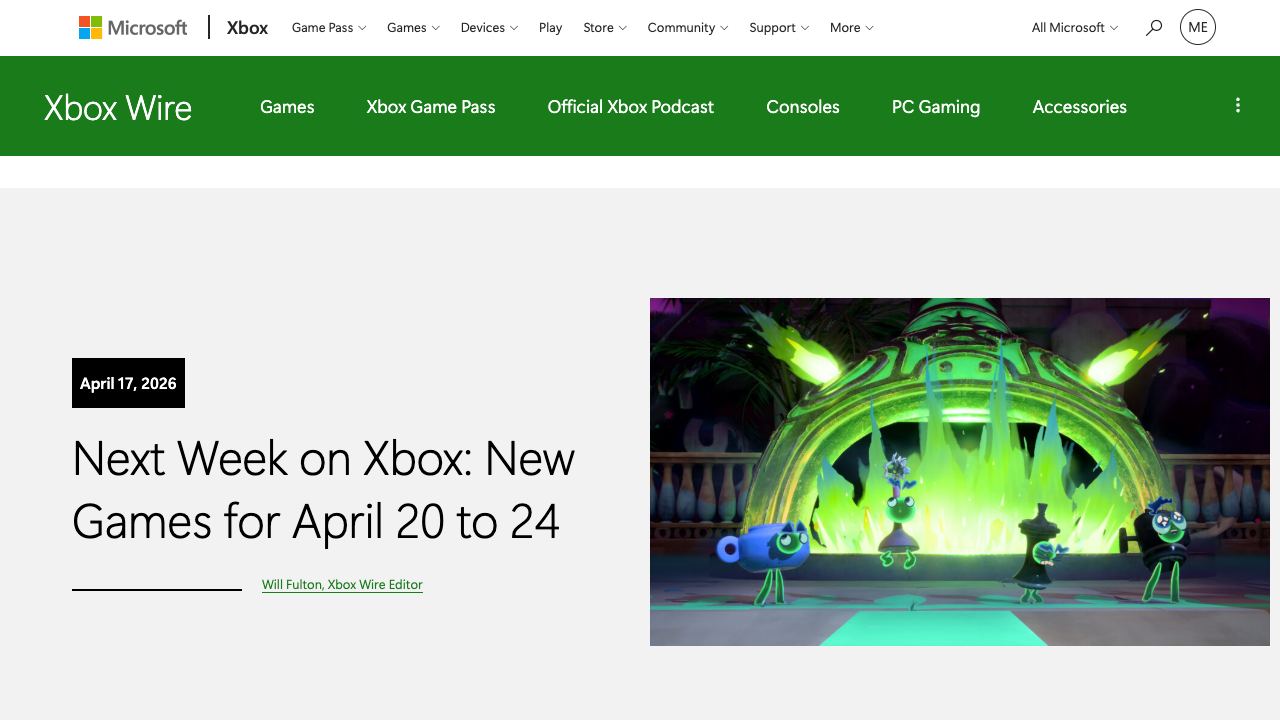
Xbox mapped April 20 to 24 before the previous week had even cooled down
Microsoft’s official “Next Week on Xbox” post for April 20 to 24 makes the upcoming lane visible before launch day arrives. That kind of early storefront framing matters because it helps titles define their slot and reminds players that the pipeline is not slowing down after one busy week.
For April 17, the main takeaway is timing discipline. Xbox is making the calendar itself part of the platform story, not leaving players or publishers to piece the week together on their own.
Calendar takeaway
- Forward scheduling: The next week is framed before the current one fully ends.
- Storefront clarity: Official weekly posts keep discovery organized.
- Attention handoff: Xbox is trying to avoid dead space between release beats.
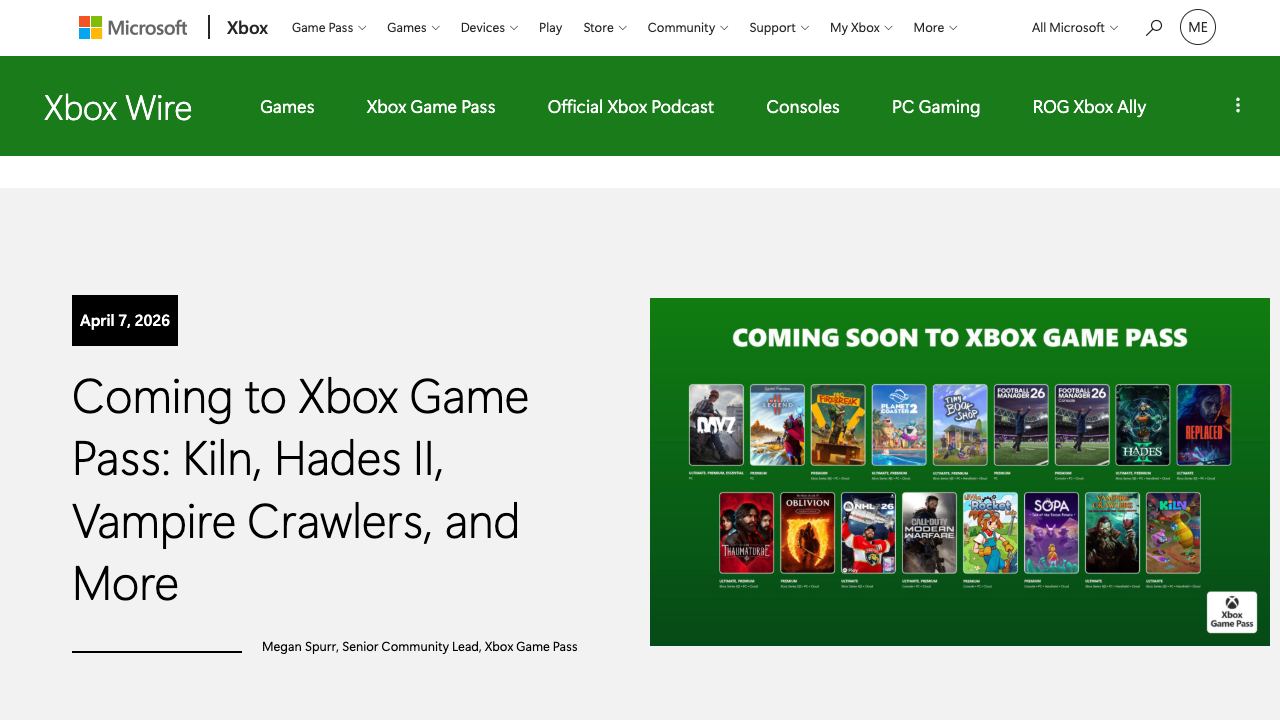
Game Pass kept Microsoft in the conversation even before the next release week starts
Xbox’s first April Game Pass wave ensured that recognizable additions kept landing across the month rather than bunching up into one front-loaded announcement. By April 17, that pacing was doing exactly what it was designed to do: keeping service value visible alongside the next release calendar.
That is important because it changes the competitive field. A platform does not just need new launches to stay visible anymore. A refreshed subscription lane can carry the week by itself.
Service read
- Cadence over spike: The service stays relevant through repeated beats.
- Launch pressure: Paid releases share attention with catalog additions.
- Weekly stickiness: Game Pass remains part of the platform’s ongoing identity.
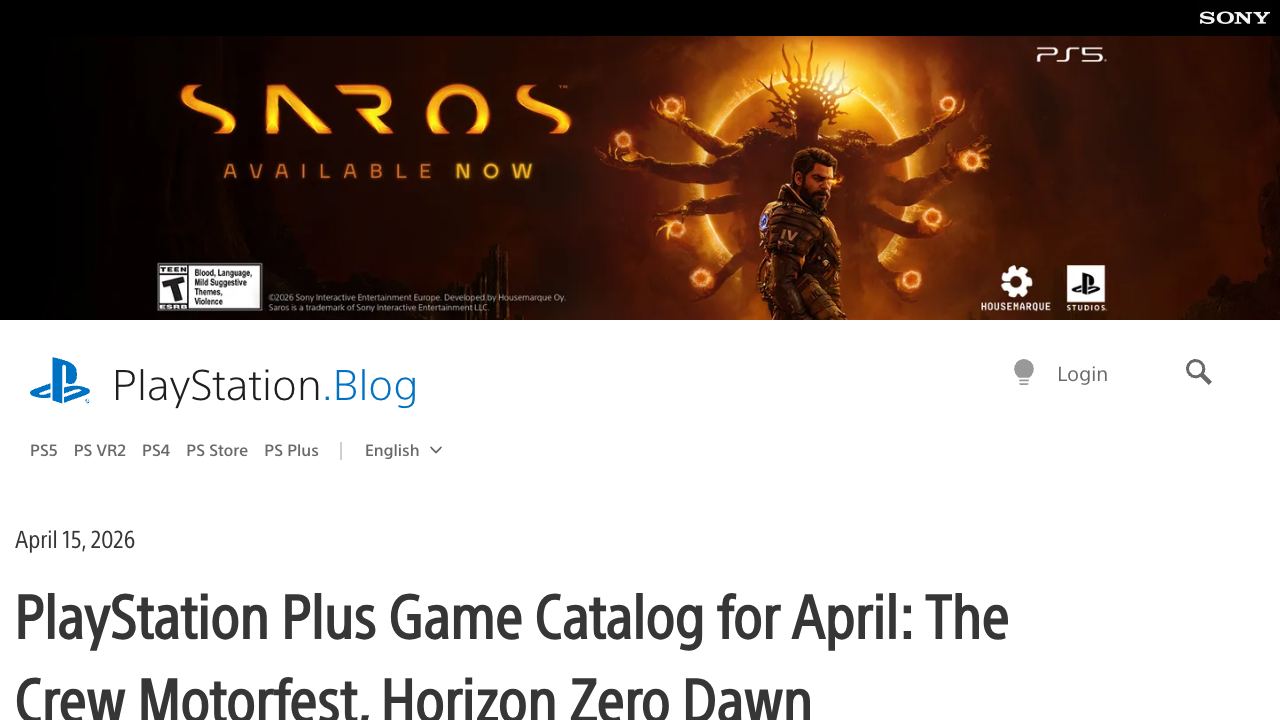
PlayStation Plus answered with a broad April catalog instead of one narrow prestige play
Sony’s April catalog update spread its bets across several audiences at once, with The Crew Motorfest, Horizon Zero Dawn Remastered, Football Manager 26 Console, Warriors: Abyss, and more. The shape of the lineup matters as much as the names because it broadens the odds that different players each find their own entry point.
On April 17, this reads as a direct response to the same monthly attention battle Xbox is fighting. Subscription value is no longer a side benefit. It is a headline competition lane.
Competitive signal
- Audience spread: Sony is covering multiple tastes in one move.
- Mid-month pressure: The catalog refresh keeps the ecosystem active between launches.
- Platform race: Service value is now a visible part of weekly platform competition.
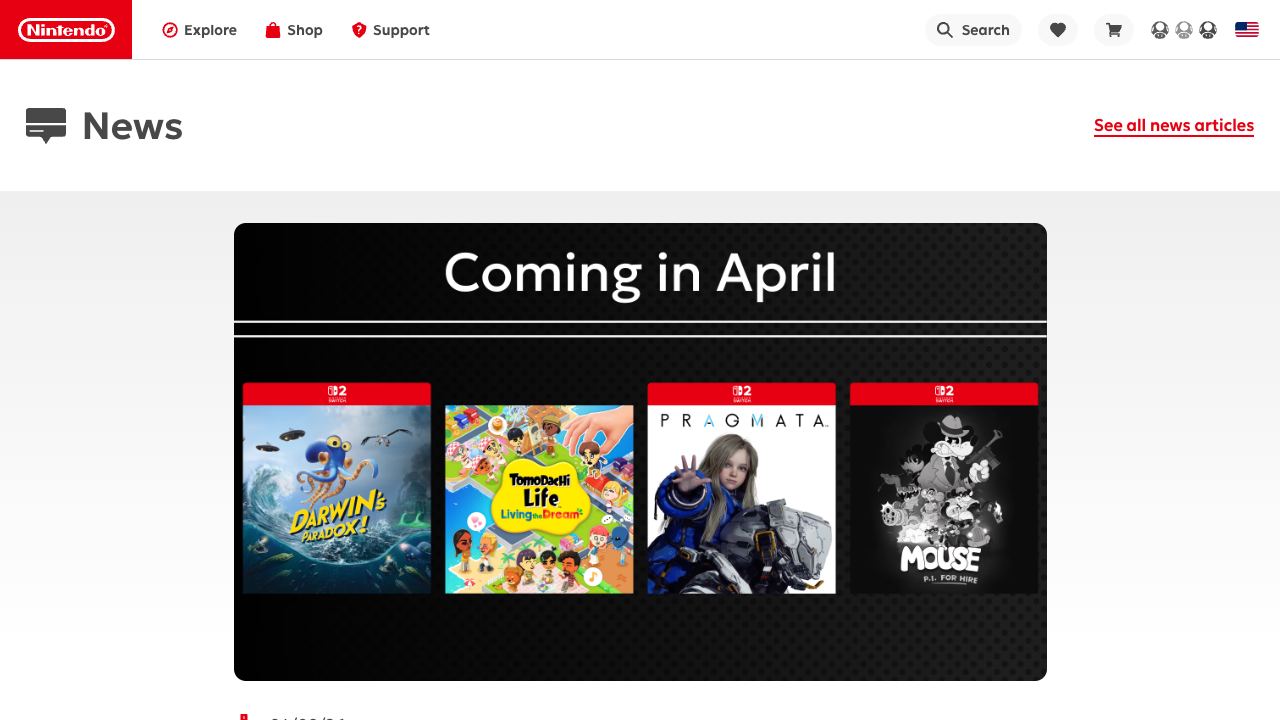
Nintendo kept the mid-April lane visible with one clean official roundup
Nintendo’s April arrivals page remains one of the clearest ways to understand what the company wants players watching this month. By grouping Tomodachi Life: Living the Dream, Darwin’s Paradox!, MOUSE: P.I. For Hire, and other highlighted titles together, it turns a noisy month into a readable one.
That matters on April 17 because visibility itself is part of the competition. A platform that explains its own lane clearly is already helping those games reach players.
Visibility lesson
- Readable month: Players do not have to hunt across scattered posts.
- Steady promotion: Nintendo is sustaining awareness instead of relying on one spike.
- Platform support: Editorial curation remains meaningful for discovery.
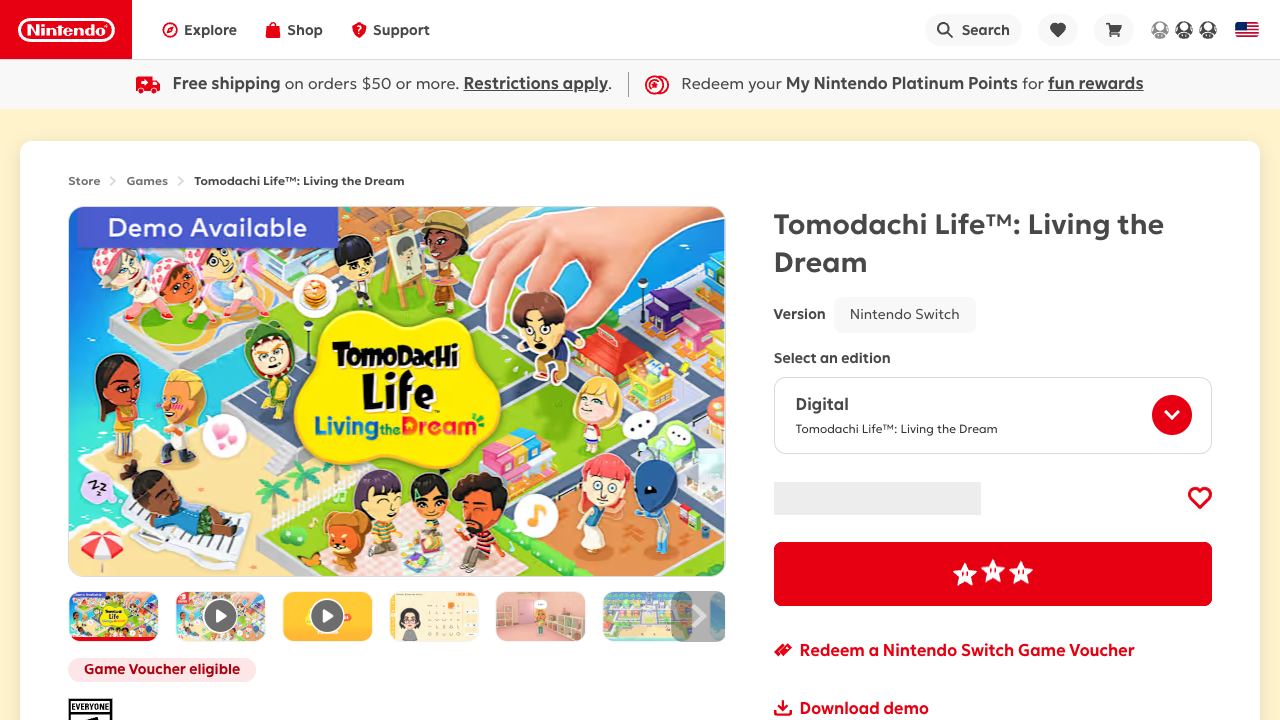
Tomodachi Life’s official store page shows Nintendo leaning on a slow-burn product push
Nintendo’s official Tomodachi Life: Living the Dream store page already does most of the conversion work. The main key art is front and center, the Switch edition is live, and the page highlights that a demo is available. This is not the tone of a one-day hype burst. It is a clean retail setup for a game meant to stay visible.
That matters on April 17 because it shows Nintendo treating one of its softer releases as a long-tail product. Not every success has to be sold like an action spectacle.
Retail takeaway
- Demo path: Players have a low-friction way to try the game.
- Conversion clarity: The official page keeps the buying path simple.
- Long-tail framing: Nintendo is selling routine appeal, not just launch-day heat.