Daily Brief
April 16 was not driven by one shock headline. It was a platform-management day. Sony used one post to broaden catalog value and another to underline why premium hardware features still matter. Nintendo kept the month readable with a clean software roundup and another membership refresh. Xbox, meanwhile, kept the service conversation alive through an already-busy Game Pass wave.
PlayStation Plus widened Sony’s April value pitch with Motorfest, Horizon, and Football Manager
Sony’s April Game Catalog update grouped The Crew Motorfest, Horizon Zero Dawn Remastered, Football Manager 26 Console, Warriors: Abyss, and more into one clear mid-month push. That matters because it gives players several reasons to stay inside the ecosystem rather than waiting for one tentpole release.
For April 16, the bigger read is rhythm. Sony is not treating catalog updates as filler between launches anymore. The catalog itself is one of the main beats that defines the month.
Why this matters
- Mid-month timing: Sony is using the middle of the month to renew attention instead of letting it sag.
- Wide taste coverage: Racing, remaster, management, and action all sit in one drop.
- Retention logic: Catalog value is now part of the central platform pitch.
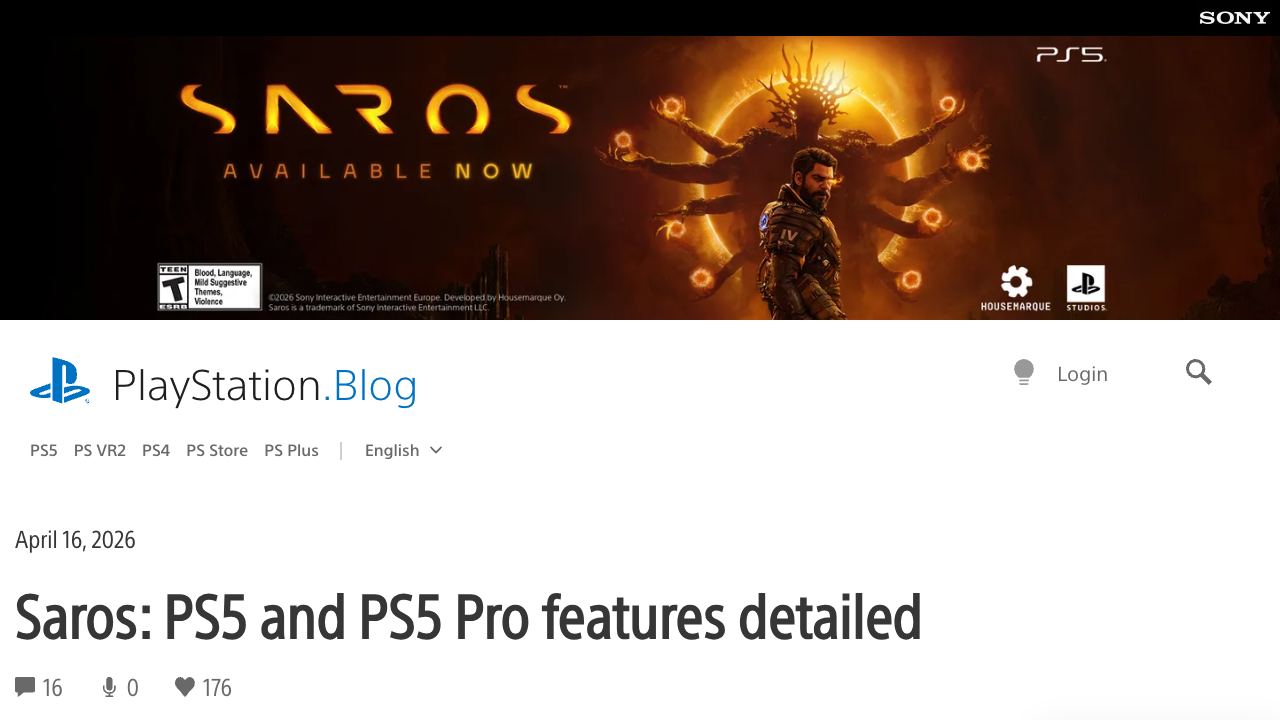
Saros showed how Sony still sells premium feel, not just content volume
Housemarque’s Saros feature post leaned hard into DualSense haptics, adaptive triggers, PS5 Pro support, and the Digital Deluxe edition’s 48-hour early-access perk. The message was clear: Sony still wants premium hardware identity to matter in the sales pitch.
That matters on a day crowded with subscription talk. Saros is the counter-argument to pure service competition: not every buying decision is about library size. Some are still about the feel of a specific release on a specific machine.
What the post is doing
- Feature emphasis: The hardware-specific experience is front and center.
- Prestige framing: Early access and premium positioning keep the game feeling special.
- Platform identity: Sony is defending value beyond subscription math.
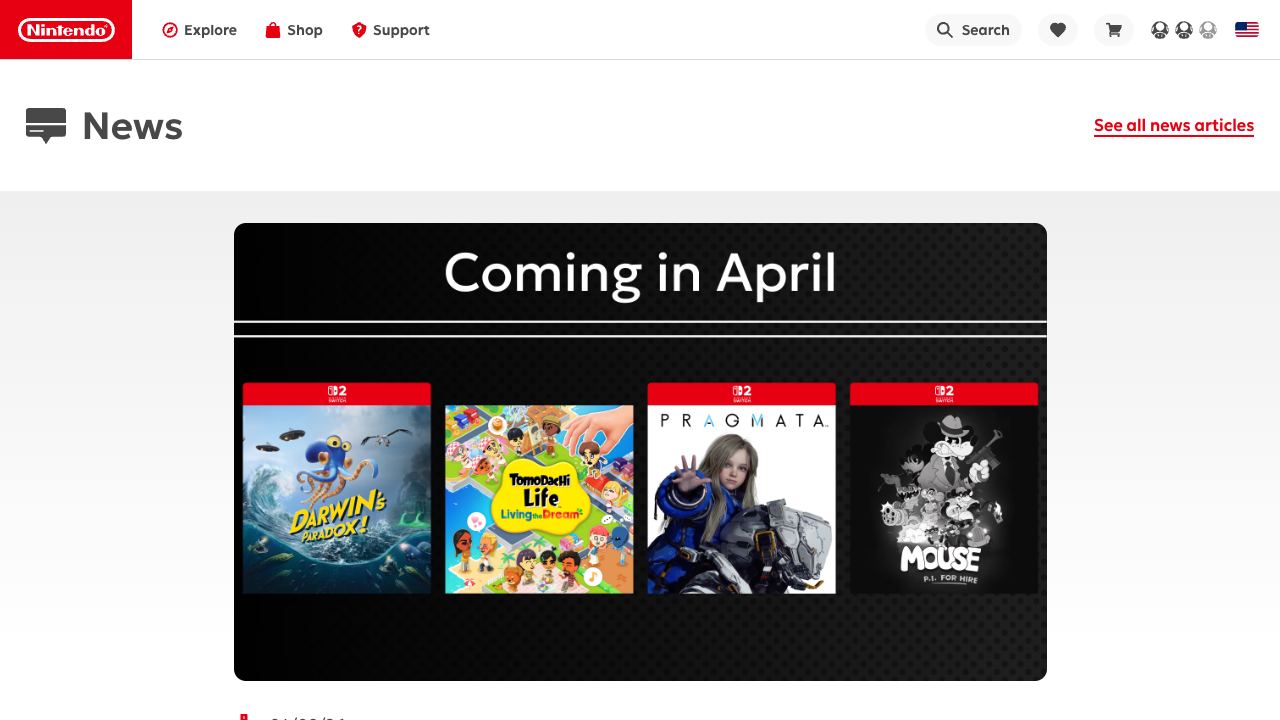
Nintendo kept April readable with one official page covering Tomodachi, Darwin’s Paradox!, and more
Nintendo’s April arrivals page gave players a clean month snapshot, highlighting games such as Tomodachi Life: Living the Dream, Darwin’s Paradox!, and MOUSE: P.I. For Hire. In a crowded stretch, that kind of official packaging matters because it reduces discovery friction.
The practical lesson is simple: a tidy release-lane page can do real work. Nintendo is not trying to say everything at once. It is making sure the right few things stay visible.
Release-lane takeaway
- Clear packaging: One page turns a noisy month into an understandable lineup.
- Visibility support: Mid-sized titles benefit when platform holders do the sorting for players.
- Editorial control: Nintendo is choosing the month’s talking points, not leaving discovery to chance.
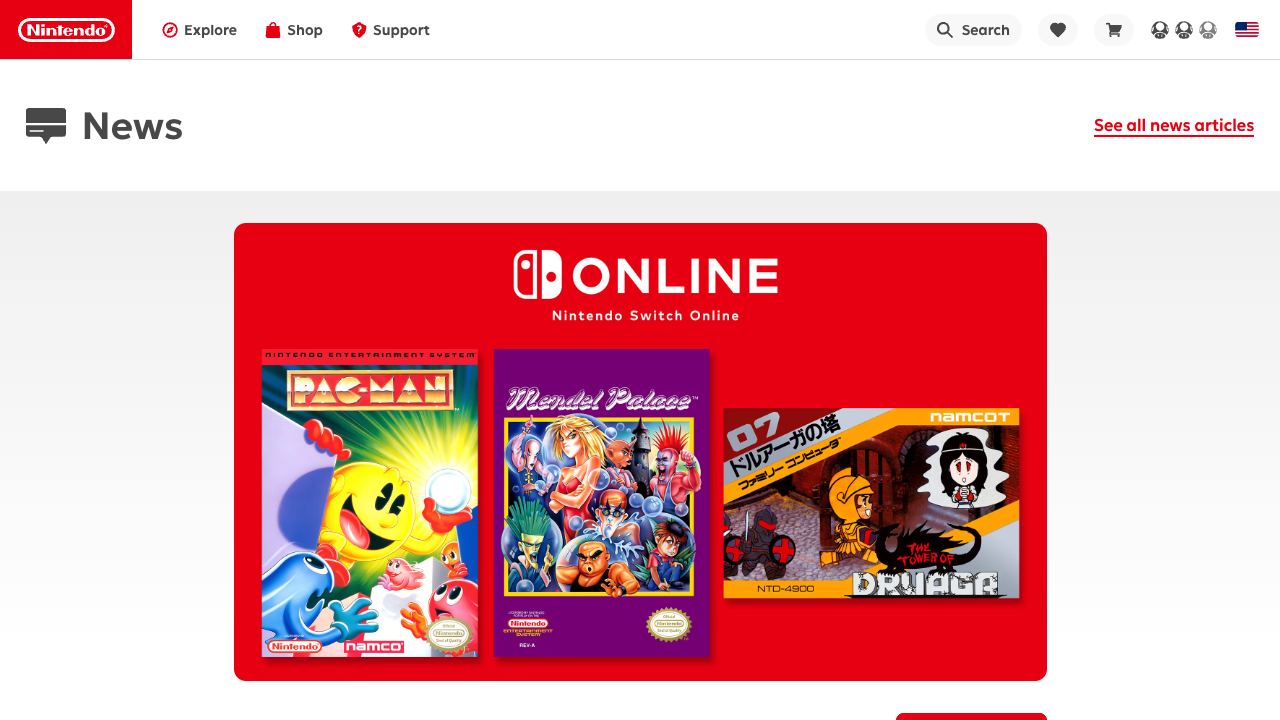
Nintendo Switch Online got another April refresh, keeping membership value visible between launches
Nintendo’s April update for Switch Online members is not a giant tentpole headline, but it does the steady work that subscription services need. Another retro-library refresh gives members a reason to check in even when they are not buying a new release that week.
That matters on April 16 because platform competition is increasingly fought on small recurring habits as much as on blockbusters. Retention is built from visible, dependable updates.
Membership read
- Habit building: Light updates keep subscribers returning between major releases.
- Service visibility: Nintendo keeps the value proposition in front of users.
- Market context: Even quiet service beats matter in a month full of platform competition.
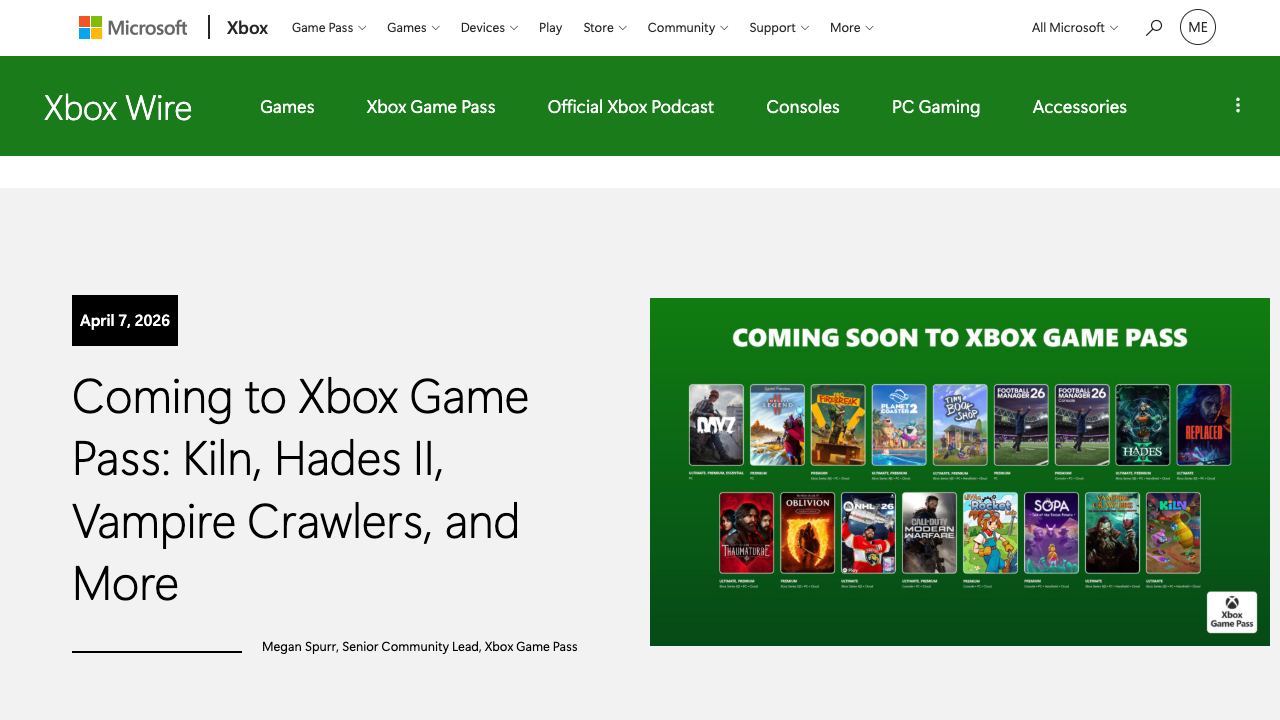
Game Pass Wave 1 kept Microsoft’s subscription cadence active through mid-April
Xbox’s first April Game Pass wave already put recognizable names such as Hades II, The Elder Scrolls IV: Oblivion Remastered, and Call of Duty: Modern Warfare into the month. By April 16, the bigger point was clear: Microsoft wanted the service in the conversation all month, not just on one announcement day.
That puts extra pressure on every paid release sharing the calendar. Premium launches are now competing with a constantly refreshed alternative, not just with other boxed games.
Business takeaway
- Month-long cadence: Microsoft is stretching attention across several beats, not one spike.
- Catalog pressure: Full-price launches have to coexist with high-recognition service additions.
- Platform habit: Regular refreshes keep Game Pass central to the weekly conversation.