Daily Brief
April 18 is less about a single surprise headline and more about timing pressure across channels. Xbox used both storefront scheduling and subscription updates to maintain momentum, Sony expanded its April catalog stack, Nintendo pushed a clear long-tail design message for Tomodachi Life, and weekly calendar tracking highlighted just how little room remains between launches.
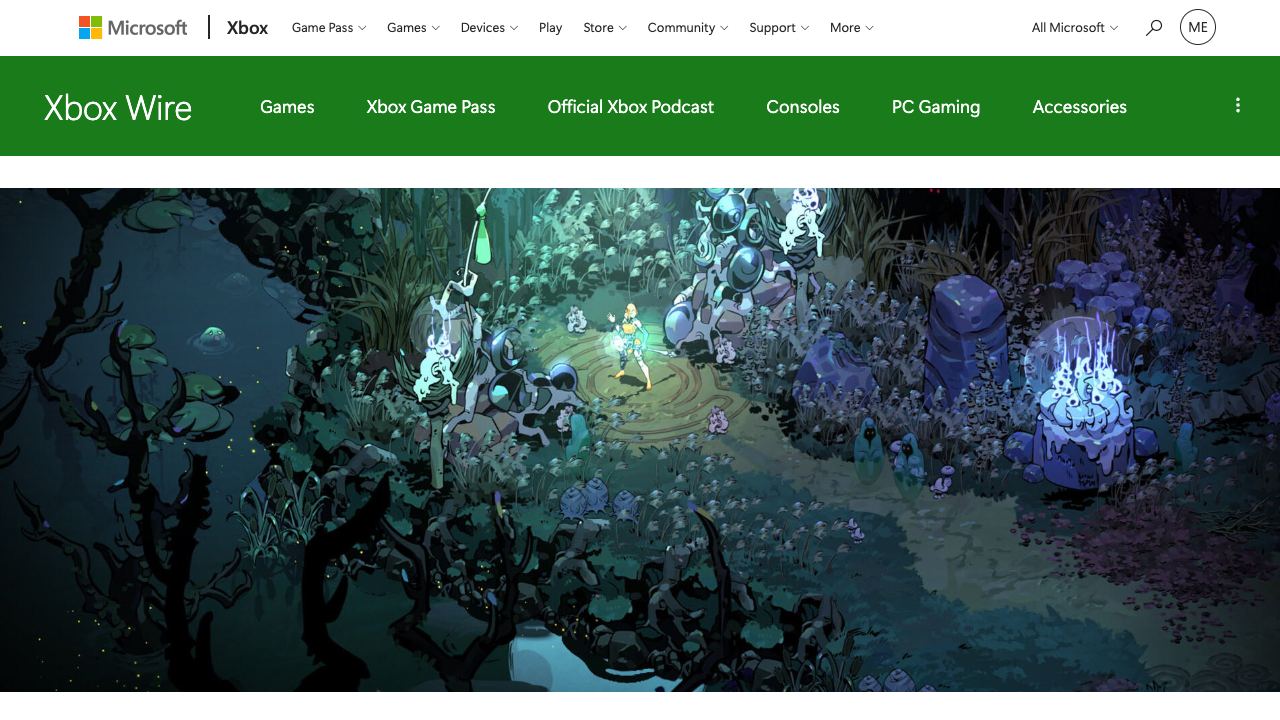
Xbox Wire’s “Next Week on Xbox” reinforced how crowded April 13-17 became
Microsoft’s official weekly lineup post laid out a tight April 13-17 release block. Even without one dominant blockbuster, the cadence itself matters because it shapes discovery windows, store visibility, and launch overlap for mid-size games.
For teams planning launches, the practical takeaway is that calendar fit is now as important as feature fit. Getting into a busy week can still work, but only if positioning is clear before launch day.
Why this matters
- Timing pressure: Mid-month release slots are increasingly compressed.
- Storefront reality: Visibility depends heavily on pre-launch setup in crowded weeks.
- Planning signal: Weekly platform calendars remain one of the clearest demand signals.
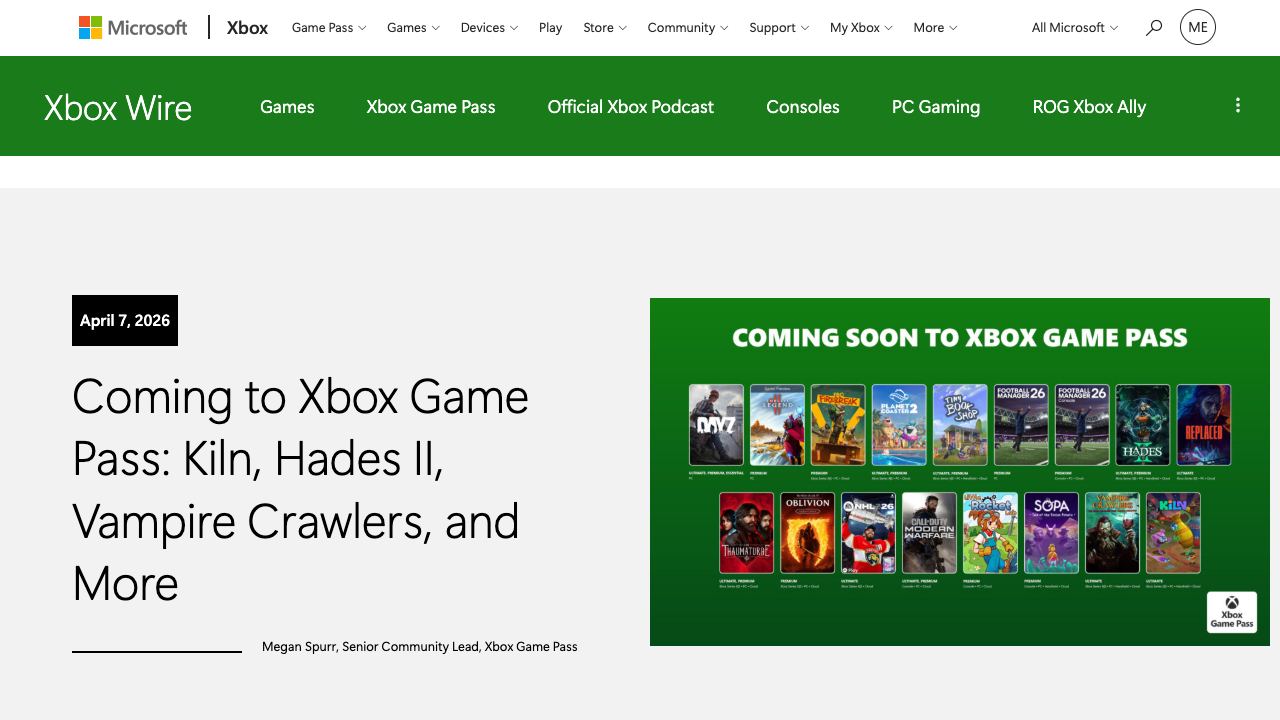
Game Pass Wave 1 kept April’s subscription cycle active instead of front-loaded
Xbox’s Wave 1 update signaled a continuing “always-moving catalog” strategy. The key point is not a single title name, but the ongoing pacing pattern: regular drops keep service value visible through the month instead of peaking once and fading.
From a business perspective, this kind of cadence changes player behavior and purchase timing. It also forces premium launches to compete not only with other launches but with subscription alternatives every week.
Business read
- Cadence strategy: Staggered updates help retain attention across the whole month.
- Consumer behavior: More players can justify waiting for service inclusion.
- Competitive effect: Subscription flow now competes directly with full-price windows.
PlayStation Plus April catalog update showed Sony matching the same mid-month value push
Sony’s April catalog announcement reinforced the same market direction seen on Xbox: subscription and catalog value is no longer a side channel. It now sits in the middle of how platform holders compete for monthly engagement.
When both major platforms run active catalog refreshes in the same week, discovery and retention become the central battleground, not just launch-day sales.
What it signals
- Platform parity: Both ecosystems are leaning harder on catalog cadence.
- Retention focus: Mid-month refreshes reduce post-launch drop-off in attention.
- Dev implication: Pricing and launch strategy must account for service competition.
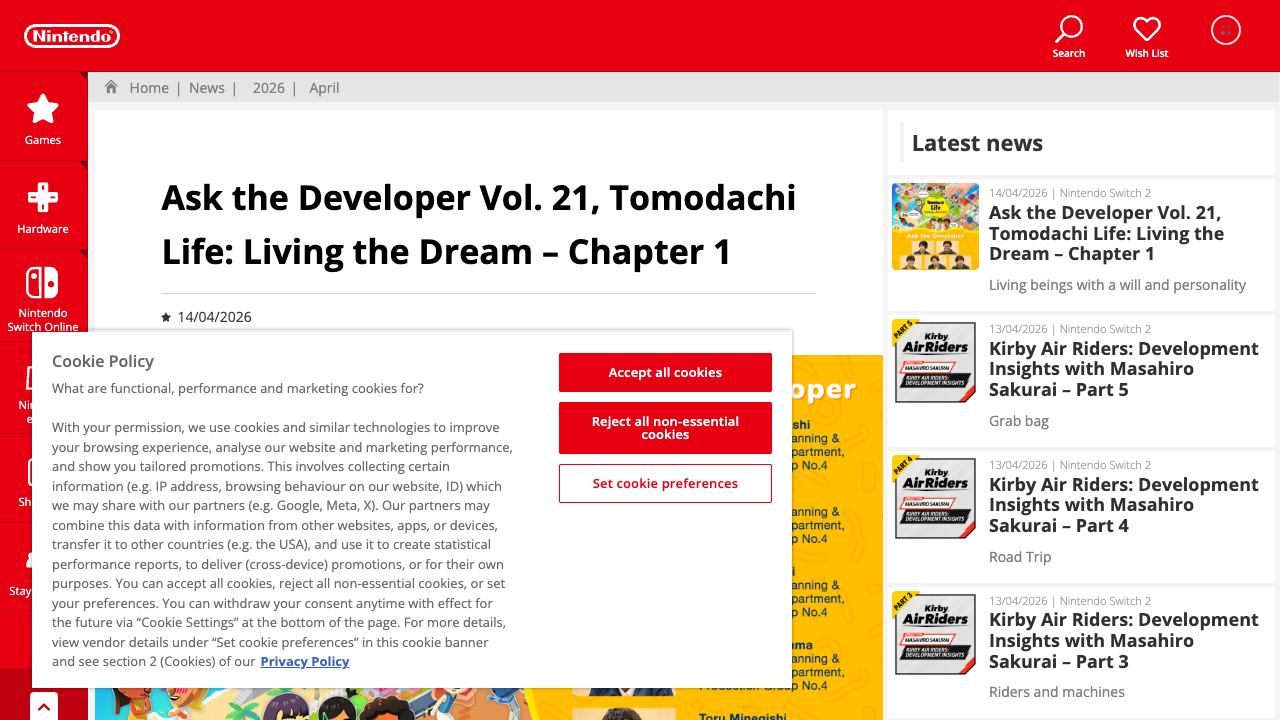
Nintendo’s Tomodachi developer interview framed the title as long-tail design, not short-cycle hype
The Ask the Developer feature highlights Nintendo’s framing around routine, personality systems, and player expression. That positioning aligns with a product expected to build steady engagement over time rather than relying on one launch spike.
In the current market, this matters because it shows another viable strategy alongside high-intensity launch cycles: design for sustained daily return, then communicate that intent clearly.
Design takeaway
- Product identity: Messaging and mechanics are aligned around daily rhythm.
- Portfolio role: Not every major release needs to compete as an action tentpole.
- Execution lesson: Clear framing improves player expectations and retention fit.
Gematsu’s weekly calendar confirmed the same theme: launch density, not one single narrative
The weekly release tracker supports what platform announcements already suggested: the mid-April window is packed enough that overlap risk is now a default condition. This affects both premium launches and smaller teams trying to earn coverage.
In practical terms, publishing discipline has to start earlier: timing, wishlist build-up, and message clarity are now prerequisites, not optimization extras.
Release strategy takeaway
- Default crowding: Competing for attention is now baseline, not exceptional.
- Earlier prep: Visibility work must happen before release week begins.
- Cross-check value: Independent calendar tracking remains useful for launch planning.