Today's Summary
The gaming industry is absorbing the shockwaves of Microsoft's decision to cut 3,200 Xbox roles and divest five studios. id Software confirmed 136 layoffs, shrinking the Doom developer to the size it was when making Doom 2016. Bethesda's union announced "Save Our Devs" rallies across four cities on July 15. IO Interactive became the first external casualty, closing its Istanbul studio after Xbox cancelled a funded project. Against this backdrop, Assassin's Creed Black Flag Resynced launched on July 9 to positive reviews, Nintendo confirmed it will stop selling the original Switch in Europe by early 2027 and release a revised Switch 2 with a replaceable battery, and reports surfaced that Obsidian is developing a new Fallout game despite the layoffs. Nexon also announced the end of Crazy Arcade after 22 years of service.
Editor's Take: The Reckoning Nobody Earned
This week was not a correction. It was a dismantling. Microsoft spent $68.7 billion acquiring Activision Blizzard, promised integration and synergy, and is now dismembering the very studios it bought, selling off four or five of them while cutting 3,200 people who built the games that justified the acquisition in the first place. id Software, the studio that defined the FPS genre, is now the size it was when it started Doom 2016, a decade-old project. That is not trimming fat. That is cutting bone.
What makes this different from previous rounds is the organized response. Bethesda's union is not quietly accepting the cuts. They are marching in four cities on July 15 under a "Save Our Devs" banner, and their statement, that the company wants them to "quietly disappear," is the sharpest labor rhetoric the game industry has seen in years. When IO Interactive, an independent studio, closes a whole office because Xbox cancelled a contract, the blast radius extends beyond Microsoft's walls. The question is no longer whether Xbox's acquisition strategy failed. Everyone agrees it did. The question is whether the people who made the games will have any say in what comes next.

id Software confirms 136 layoffs, studio shrinks to Doom 2016 size
Game Developer reported on July 10 that 136 workers have been laid off at id Software, the studio behind the Doom franchise. The developer issued a statement thanking fans for their support but acknowledging the studio is now "about the same size we were when making Doom 2016," which released in 2016, ten years ago. The statement insisted the studio is still large enough "to build the games and tech we're known for," though the scale of the cuts raises questions about what projects can realistically proceed.
id Software is one of the most historically significant developers in the industry, having created Wolfenstein 3D, Quake, and Doom, effectively defining the first-person shooter genre. The studio was acquired by ZeniMax Media in 2009 and became part of Microsoft when the latter purchased ZeniMax for $7.5 billion in 2021. The layoffs are part of the broader Xbox restructuring that eliminated 3,200 roles across Microsoft's gaming division.
Why It Matters
- Historic studio gutted: id Software defined the FPS genre; reducing it to 2016 staffing levels signals a dramatic shift in ambition.
- Engine development at risk: id Tech engine development may slow, affecting licensing partners and the broader FPS ecosystem.
- Morale collapse: Surviving staff at one of gaming's most respected studios are now working with a fraction of their former team.
- Pattern confirmation: Microsoft is not sparing even its most prestigious acquired studios from cuts.
Xbox eliminates 3,200 roles, sells four studios in largest gaming layoff ever
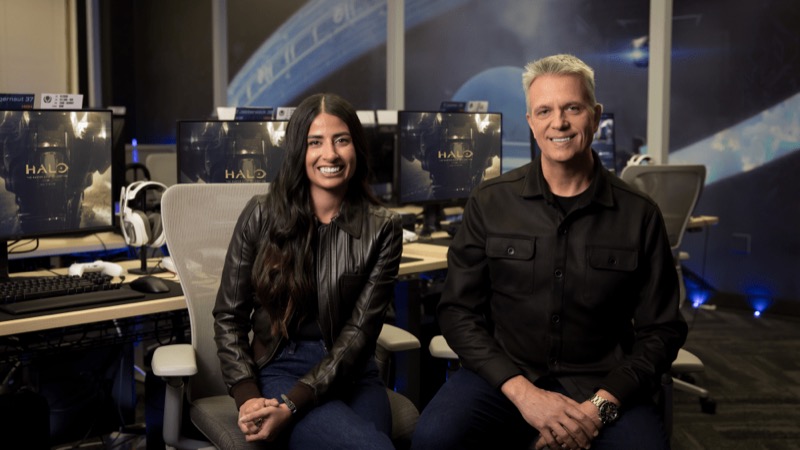
Microsoft confirmed on July 6 that it will eliminate 3,200 roles across Xbox, representing approximately 20% of the gaming division's workforce. The cuts affect nearly every division, including Activision, Bethesda/ZeniMax, Blizzard, King, Mojang, and Xbox Game Studios. Four studios are being sold off, and a fifth may be divested. Xbox CEO Asha Sharma is taking direct oversight of Minecraft and Candy Crush studios.
This is the fifth major layoff round at Xbox since the $68.7 billion Activision Blizzard acquisition closed in October 2023, following cuts in January 2024 (1,900 roles), May 2024 (multiple studio closures), and earlier rounds in 2025. WARN notices filed in Maryland confirm 213 employees laid off at ZeniMax Online Studios and 52 at Obsidian Entertainment in California. Nearly 400 workers in Maryland alone are affected, with separations effective September 4.
Why It Matters
- Largest gaming layoff in history: 3,200 roles exceeds any single previous round in the 2022-2026 layoff crisis.
- Acquisition logic collapses: Studios bought for billions are being sold off or gutted within three years.
- Game Pass underperforming: Reported 30M subscribers fall well below Microsoft's 77M target for 2026.
- Leadership restructuring: CEO taking direct control of key franchises suggests loss of confidence in middle management.
Bethesda union announces "Save Our Devs" protests across four cities
The CWA-affiliated ZeniMax/Bethesda union, OneBGS, announced on July 10 that it will hold rallies on July 15 across four cities to protest the mass Xbox layoffs that affected 440 union workers. The protest, branded "Save Our Devs," represents the most organized labor response to a gaming industry layoff event to date. The union's statement was blunt: "The company wants us to accept this as a done deal and quietly disappear. We won't let that happen."
The protests come as Bethesda Game Studios, id Software, and ZeniMax Online Studios all confirmed significant cuts this week. The Elder Scrolls Online's content roadmap has reportedly been disrupted by the ZeniMax Online layoffs, and fans reacted with dismay when ESO debuted seasonal content on the same day the layoffs were confirmed, with one commenter writing they were "surprised there was anyone left to post this."
Why It Matters
- First major union protest: The most visible labor action in game industry history, spanning four cities simultaneously.
- 440 union members affected: The scale of union job losses is unprecedented and tests the CWA's organizing power.
- Public sympathy shifting: Fan reactions to ESO's ill-timed content drop show community support turning toward workers.
- July 15 as flashpoint: The protest date could attract media coverage and political attention beyond gaming.
IO Interactive closes Istanbul studio after Xbox pulled project funding
Hitman and 007: First Light developer IO Interactive confirmed on July 7 that it will close one of its studios and lay off an unknown number of staff. The closure directly follows Xbox pulling funding for an upcoming project that IO Interactive was developing with Microsoft support. The Istanbul studio, which was working on the now-cancelled "Project Fantasy," is the first confirmed external casualty of the Xbox layoffs.
IO Interactive is an independent studio, not owned by Microsoft, which makes this closure particularly significant. It demonstrates that the fallout from Xbox's restructuring extends beyond its own walls to partners who had built teams and commitments around Microsoft funding. The studio is best known for the Hitman series and is currently developing 007: First Light, a James Bond game that appears to remain unaffected.
Why It Matters
- External blast radius: Xbox's cuts are hitting independent partners, not just internal studios.
- Funding withdrawal precedent: Microsoft cancelling funded projects mid-development could make partners wary of future Xbox deals.
- Project Fantasy cancelled: An unannounced game is now dead, representing years of work lost.
- 007: First Light safe: The Bond game appears unaffected, but confidence in IO's pipeline is shaken.
New Fallout reportedly in development at Obsidian despite layoffs
Reports emerged on July 8 that Obsidian Entertainment, the studio behind Fallout: New Vegas, is developing a new Fallout game. The news is surprising given that Obsidian was hit with 52 confirmed layoffs in California as part of the Xbox cuts. The studio is reportedly undergoing "massive changes," one of which involves returning to the Fallout universe that made it famous.
Obsidian's Fallout: New Vegas, released in 2010, is widely considered one of the best games in the franchise, and fan demand for a follow-up has never subsided. The Fallout brand is also at a peak of cultural visibility thanks to the Amazon TV series. However, the juxtaposition of a new Fallout announcement with mass layoffs at the same studio raises questions about whether the project can proceed with a reduced team, and whether the timing is a deliberate morale boost or a leak that caught the studio off guard.
Why It Matters
- Franchise revival: A new Obsidian Fallout would be the most anticipated RPG announcement of 2026.
- New Vegas legacy: Obsidian's Fallout pedigree gives the project instant credibility with fans.
- Layoff contradiction: Announcing a major game while cutting the studio that would make it is a mixed signal.
- TV series momentum: Fallout's cultural profile is at an all-time high, making the timing commercially logical.
Assassin's Creed Black Flag Resynced launches to strong reception
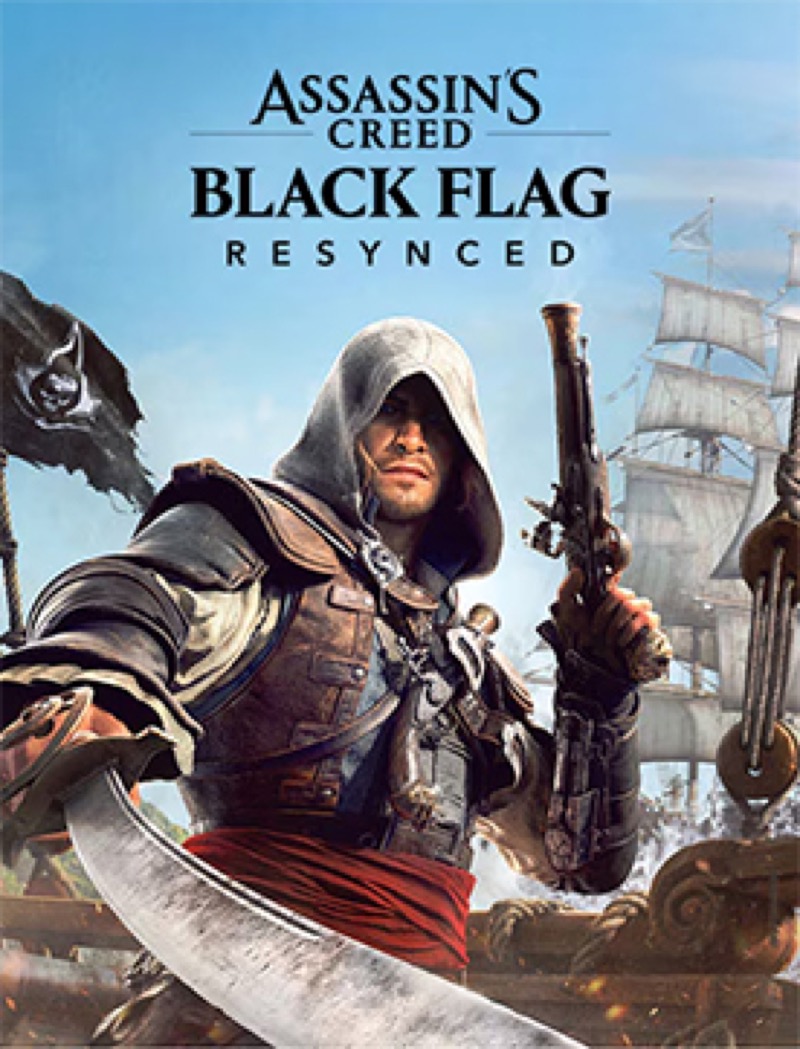
Assassin's Creed Black Flag Resynced, a full remake of the 2013 pirate adventure, launched on July 9 for PlayStation 5, Xbox Series X|S, and PC. Developed primarily by Ubisoft Singapore, the remake faithfully enhances the original with rebuilt combat, stealth mechanics, and an expanded story for Mary Read. The game is available on Ubisoft Plus at launch and has been receiving positive coverage from major outlets.
The original Assassin's Creed IV: Black Flag is widely regarded as one of the best entries in the franchise, praised for its naval combat, open-world Caribbean setting, and Edward Kenway's protagonist arc. The Resynced remake brings the experience to modern hardware with current-gen visuals and quality-of-life improvements. Early reviews highlight the improved ship-to-ship combat and the expanded Mary Read storyline as standout additions.
Why It Matters
- Major summer release: Black Flag Resynced is one of the biggest AAA launches in a relatively quiet July.
- Remake quality bar: Ubisoft Singapore's work sets a standard for how to remake a beloved title without losing its identity.
- Naval combat revival: The enhanced ship combat could influence future Assassin's Creed entries.
- Ubisoft Plus value: Day-one availability on Ubisoft's subscription service competes directly with Game Pass.

Nintendo retiring original Switch in Europe, revised Switch 2 with replaceable battery coming
Nintendo confirmed that it will stop selling original Switch consoles in Europe from early 2027, officially ending the hardware line that launched in 2017 and sold over 140 million units. Simultaneously, the company announced a revised Switch 2 featuring a replaceable battery, complying with new EU consumer legislation that requires user-replaceable batteries in electronic devices. The revised model will roll out this summer.
The original Switch's retirement marks the end of one of the most successful console generations in history. The Switch 2, launched earlier in 2026, has been selling well, with monthly comparisons showing it tracking ahead of PS5 at the same point in its lifecycle. The battery revision, while legally required, also addresses a longstanding consumer complaint about battery degradation in portable consoles.
Why It Matters
- End of an era: The original Switch is the third best-selling console of all time; its retirement is a historic moment.
- EU legislation impact: The replaceable battery requirement is reshaping hardware design across the industry.
- Switch 2 momentum: Strong sales and hardware revisions suggest a healthy transition cycle.
- Collector alert: Original Switch units may become collector's items as production winds down.
Mario Kart Tour shuts down September 2026 as Nintendo ends mobile racing era
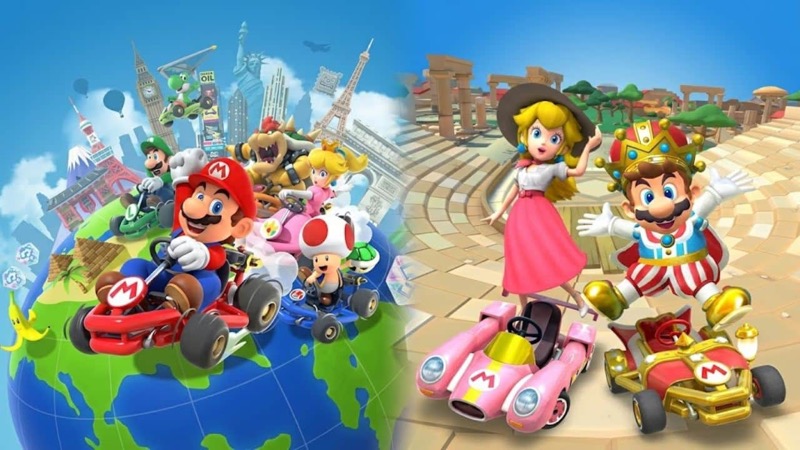
Nintendo officially announced that Mario Kart Tour will end service on September 29, 2026 at 11:00 PM Pacific Time. The shutdown will be effective in each region by September 30. The game will become unplayable after the service ends, though Nintendo has not yet detailed whether any offline features will remain. Mario Kart Tour launched in September 2019 and was Nintendo's most successful mobile game by downloads, though its monetization model drew criticism.
The closure follows a broader pattern of Nintendo winding down its mobile gaming efforts. The company has increasingly focused on Switch 2 software and has not announced any new mobile titles to replace the ones being shuttered. Mario Kart Tour's shutdown also removes one of the last major Nintendo mobile properties, leaving the company's mobile portfolio significantly thinner than at its peak.
Why It Matters
- Mobile strategy retreat: Nintendo is quietly exiting the mobile market it entered with fanfare in 2016.
- Live-service sunset: Another always-online game becomes permanently unplayable, adding to preservation concerns.
- Player data loss: Years of progress and purchases will be lost when servers shut down.
- Mario Kart focus shifts: Nintendo's racing franchise resources are now fully on console hardware.
Nintendo hiring VRR engineer for Switch 2 TV mode and next-gen consoles
Nintendo posted a job listing on July 10 for a display engineer who could help bring Variable Refresh Rate (VRR) support to Switch 2's TV mode and future next-generation consoles. The listing confirms that VRR should technically work on a docked Switch 2 but currently does not, suggesting a software or hardware limitation that the company wants to resolve. The hire would also contribute to display technology for future hardware beyond Switch 2.
VRR support has become a standard feature on PS5 and Xbox Series X|S, reducing screen tearing and stuttering in games with variable frame rates. Its absence on docked Switch 2 has been a point of criticism from digital Foundry and other technical analysis outlets. The job listing signals that Nintendo is taking the feedback seriously and investing in display technology for its current and future hardware pipeline.
Why It Matters
- Feature gap closure: VRR on docked Switch 2 would bring parity with PS5 and Xbox in display technology.
- Next-gen signals: The listing references future consoles, confirming Nintendo is already planning beyond Switch 2.
- Technical debt acknowledged: Nintendo is publicly admitting a feature should work but does not, a rare transparency moment.
- Display investment: The hire suggests Nintendo sees display quality as a competitive differentiator.

Star Fox remake on Switch 2 earns praise as the best rail shooter revival
The Star Fox remake on Nintendo Switch 2 is receiving strong reviews, with critics calling it the best spin on the classic rail shooter formula despite having zero new story content. The game is another remake of Star Fox 64, the same source material Nintendo has revisited multiple times, but the enhanced controls, improved visuals, and smooth performance on Switch 2 have won over reviewers who were skeptical of yet another retread.
The Star Fox franchise has been dormant for years, with the last major entry, Star Fox Zero on Wii U, widely regarded as a misstep due to its confusing dual-screen controls. The Switch 2 remake strips away the gimmicks and focuses on what made the original great: tight rail shooting, branching paths, and memorable characters. The positive reception could encourage Nintendo to greenlight a fully original Star Fox game for the first time in over a decade.
Why It Matters
- Franchise rehabilitation: Positive reviews could revive interest in a dormant Nintendo IP.
- Remake done right: The game proves that faithful remakes can work when they focus on core gameplay.
- Switch 2 showcase: Star Fox demonstrates the console's ability to deliver polished, fast-paced action games.
- Original game potential: Strong sales could justify a new Star Fox rather than another remake.
Nexon terminates Crazy Arcade service after 22 years
Nexon announced on July 11 that service for Crazy Arcade will officially terminate on August 13, 2026 at 9:00 AM KST. Crazy Arcade launched in 2004 and ran for 22 years, making it one of the longest-operating online games in South Korean gaming history. The game was a foundational title for Nexon, helping establish the company as a major player in the Korean online gaming market before its expansion into global mobile and PC titles.
Crazy Arcade was particularly known for its Bomberman-style mode, where players placed water balloons to trap opponents, and it maintained a dedicated Korean player base throughout its two-decade run. The shutdown reflects the broader challenge of maintaining aging live-service games as player expectations and technology move forward. Nexon has not announced any plans for a successor or revival of the franchise.
Why It Matters
- End of a legacy: Crazy Arcade is one of the longest-running Korean online games ever, outlasting countless successors.
- Nexon's foundation: The game helped build Nexon into the company it is today; its closure is symbolic.
- Live-service lifecycle: Even successful games have a natural endpoint, and 22 years is exceptional.
- Preservation gap: Another long-running online game will become permanently unplayable.
PlayStation's all-digital 2028 plan draws developer and player backlash
Sony's July 1 announcement that no new PlayStation games will ship on disc from January 2028 onwards continues to generate controversy into its second week. The push toward an all-digital future has drawn criticism from game preservation advocates, physical media collectors, and developers concerned about losing retail revenue. Hideo Kojima retweeted a critical post about the decision, adding cultural weight to the opposition.
A founding Xbox team member also weighed in this week, warning that "digital is convenient until someone else decides you've had enough" and accusing Sony of waiting for Rockstar to make the first move before committing to the all-digital timeline. The comment highlights a growing concern that digital-only ecosystems give platform holders the power to delist, modify, or remove access to games at any time, with no physical fallback for consumers.
Why It Matters
- 2026 deadline: Games shipping in 2027 will be among the last PlayStation titles available on physical media.
- Preservation crisis: Digital-only ecosystems make game preservation entirely dependent on platform holder goodwill.
- Developer revenue loss: Retail and used game markets provide revenue streams that digital storefronts do not replicate.
- Industry precedent: If Sony succeeds, other platform holders may follow, making all-digital the industry standard.