Today's Summary
Social media is turning Claude Code and OpenAI Codex into a real-time laboratory for independent development. Creators are sharing games they could not previously afford to prototype, while communities are arguing over agent reliability, Steam disclosure language, usage limits, and the review burden created by AI-generated contributions. The result is a more mature question than "can it build a game?": can a small studio turn model speed into durable creative work without quietly giving away its judgment, its budget, or its relationship with players?
Editor's Viewpoint
The most important change in indie development is not that Claude or Codex can make a game faster. It is that they are shrinking the distance between an idea and the moment when real players can react to it. That is a huge advantage for a solo maker, because the old bottleneck was often not talent but the cost of getting far enough to learn whether an idea had life. The danger is mistaking access for authorship. A model can turn a sentence into code, but it cannot tell whether a mechanic has character, whether an awkward animation should stay because it feels memorable, or whether a player is confused for the useful kind of reason.
Today's social discussion points to a sensible division of labor. Let the agents remove friction: trace bugs, explain unfamiliar systems, prepare tests, and make prototypes cheap enough to kill early. Keep human attention for direction, taste, and responsibility. Godot's policy is a useful warning here. AI output is easy to create; the obligation to understand, maintain, and stand behind it does not disappear. The strongest independent developers will not be those who hand their whole game to an agent. They will be the ones who use the new speed to make more deliberate games, then communicate honestly about what players are buying.
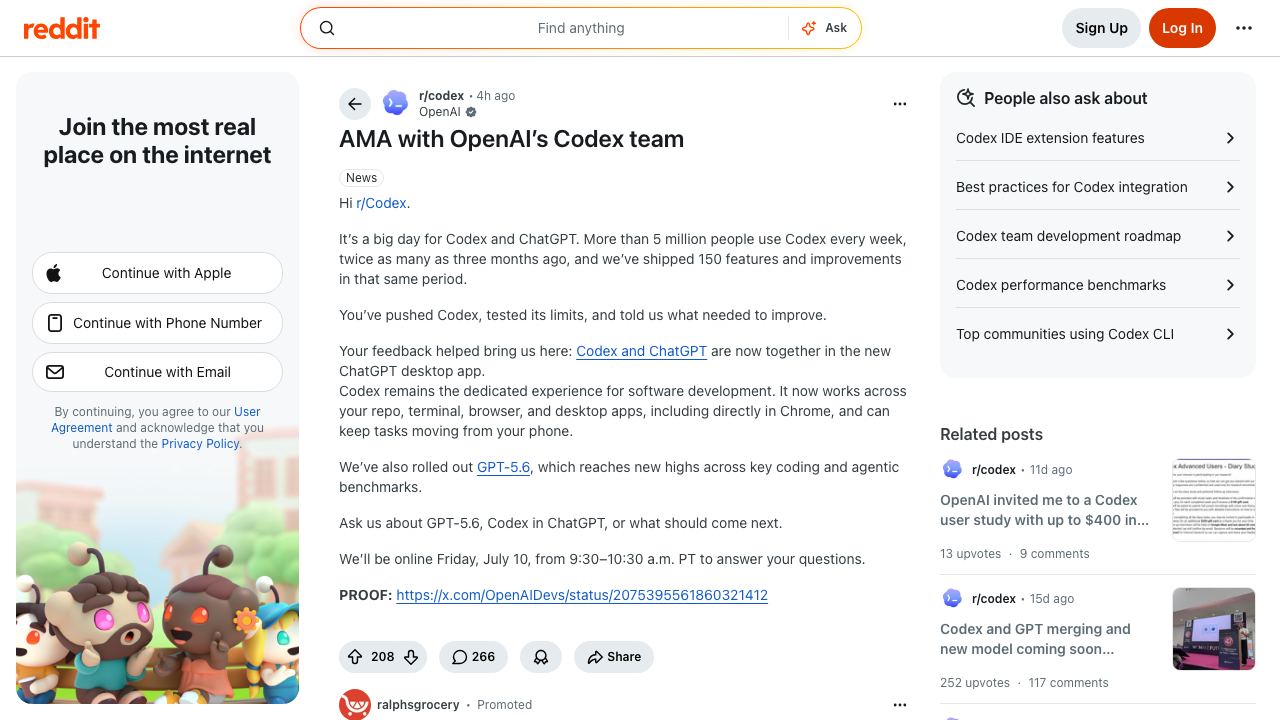
Codex AMA puts GPT-5.6 and long-running work at the center of the debate
OpenAI's Codex team opened a live Reddit AMA on July 10 around GPT-5.6, Codex's new place inside the ChatGPT desktop app, and the product's expanding ability to work across a repository, terminal, browser, and desktop applications. The announcement says more than five million people now use Codex each week, twice the count of three months earlier. For independent game developers, the more meaningful promise is not a benchmark score. It is continuity: an assistant that can keep a task moving when the developer leaves the desk, then pick it up again from a phone or another surface.
The comments show why this matters. Users are asking about model choice, voice, context, browser access, and whether the integrated app will make focused software work easier or turn it into another crowded general-purpose workspace. That is a very indie-shaped concern. A solo creator does not need another tab; they need a reliable partner that remembers why a save system was structured a certain way, can reproduce a bug, and stops before changing a working mechanic by accident.
Why It Matters
- The new pitch is persistent, cross-surface work rather than autocomplete.
- Community questions focus on control, context, and model reliability.
- For small teams, the useful unit is a completed, reviewable task, not raw output volume.

OpenAI frames Codex as an agent for work beyond programming
OpenAI's recent report on Codex argues that the product is moving beyond a narrowly defined coding tool and into broader knowledge work. That shift has a direct consequence for independent game makers. A single production cycle contains far more than scripts: store-page copy, playtest notes, release checklists, community replies, build logs, budget spreadsheets, and the small stream of decisions that usually disappear into a founder's head.
The attraction is obvious. A capable agent can turn a backlog into concrete tasks, inspect project files, draft a launch checklist, and help a developer move between creative and operational work without rebuilding context from scratch. But the social discussion around Codex makes the tradeoff equally clear: the more roles one agent touches, the more important it becomes to separate facts from drafts and to keep final judgment with the maker. Codex can compress administrative drag. It cannot decide whether a game has a point of view, whether a difficult level is fair, or whether a community message deserves a human answer.
Why It Matters
- The product story now reaches planning, research, and operational work.
- Indies can use the same project context across development and publishing chores.
- The wider the remit, the more valuable review habits and clear ownership become.
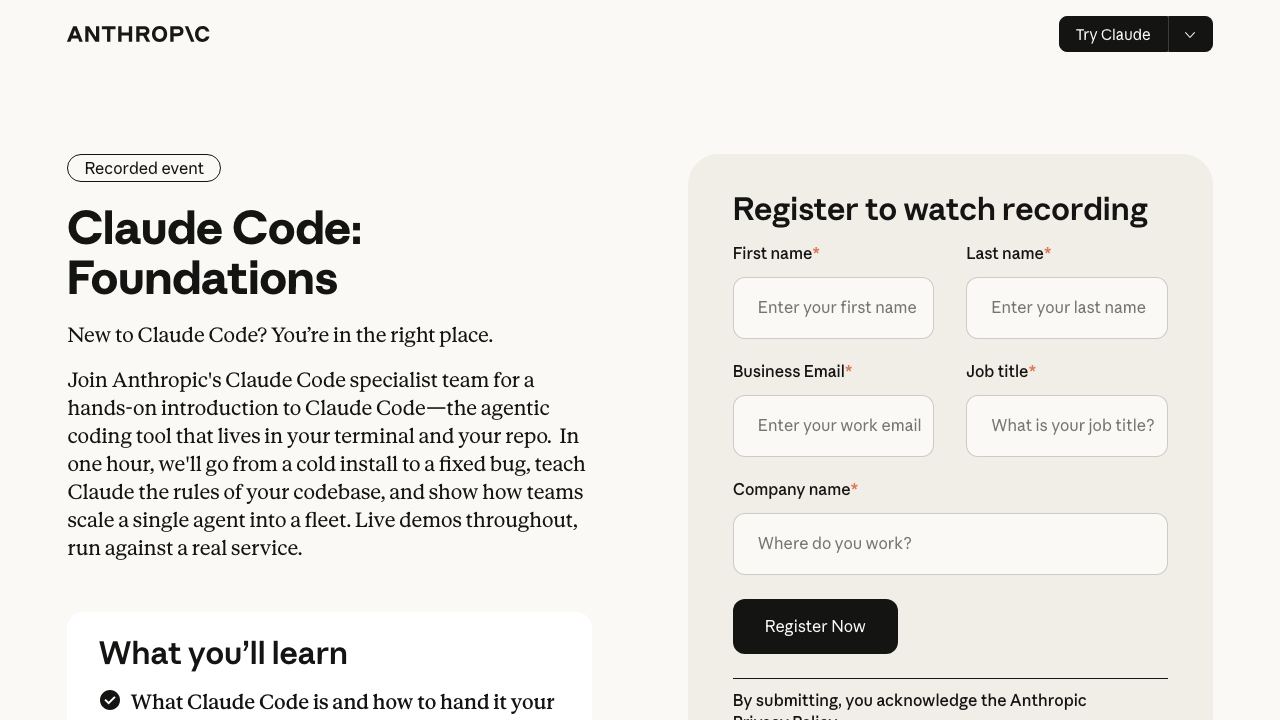
Anthropic teaches Claude Code as a system for parallel agent teams
Anthropic's July 8 Claude Code Foundations session presents a workflow that starts with a single agent but can grow into parallel agent teams, connected to source control, task systems, and internal knowledge. It explicitly recommends choosing an advanced model for planning and a faster model for routine execution. That language lands squarely in a social-media moment where independent developers are comparing subscriptions, context limits, and whether one person can coordinate several specialized AI workers without creating a mess.
For game development, the useful interpretation is narrower than the marketing. Parallelism works best when jobs are separable: one agent can trace a crash, another can audit localization strings, and another can prepare test cases. It is much less convincing for the moments where design is still ambiguous. A solo developer should not ask three agents to independently invent a combat loop, then hope to reconcile the results. The emerging skill is producing a clear brief, constraining the work to a branch or task, and reviewing the result with the same care a small studio would use for an external contributor.
Why It Matters
- Anthropic positions planning and execution as different model jobs.
- Parallel agents fit testing, debugging, and documentation better than open-ended design.
- The developer remains the producer who defines scope and approves the work.
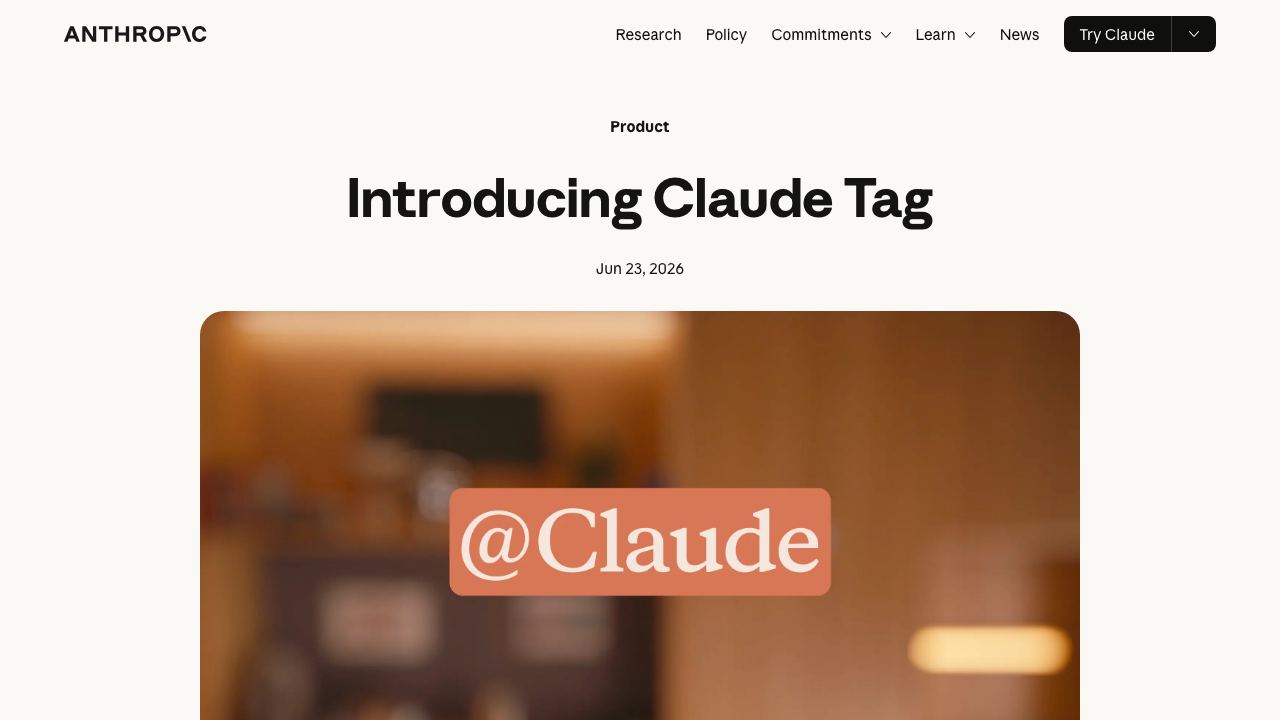
Claude Tag makes proactive coordination the next agentic coding pitch
Anthropic's Claude Tag announcement describes a more proactive layer for teams working with Claude, calling it the beginning of an evolution for Claude Code. The company says 65% of its own product team's code is created by an internal version of the feature. For a small game studio, the notable implication is not the headline percentage. It is that agent tools are being designed to react to project signals and coordinate work instead of waiting for a developer to write a fresh, detailed prompt every time.
That could be useful for the deeply repetitive parts of a game project: tracking a failed nightly build, gathering related issues after a change to player movement, or preparing a testing handoff. It also raises a question that comes up repeatedly in developer discussions: when an agent becomes proactive, how much initiative should it have? In a fragile prototype, an unasked-for cleanup can quietly erase the very oddness that made the game interesting. The practical response is to make initiative visible. Let the tool suggest and collect; keep changes gated behind explicit review until the project is stable enough to tolerate automation.
Why It Matters
- Claude Tag is aimed at proactive, team-oriented work.
- Automation is most valuable around repeatable project signals and handoffs.
- Small studios need visible proposals and approval gates, not invisible initiative.
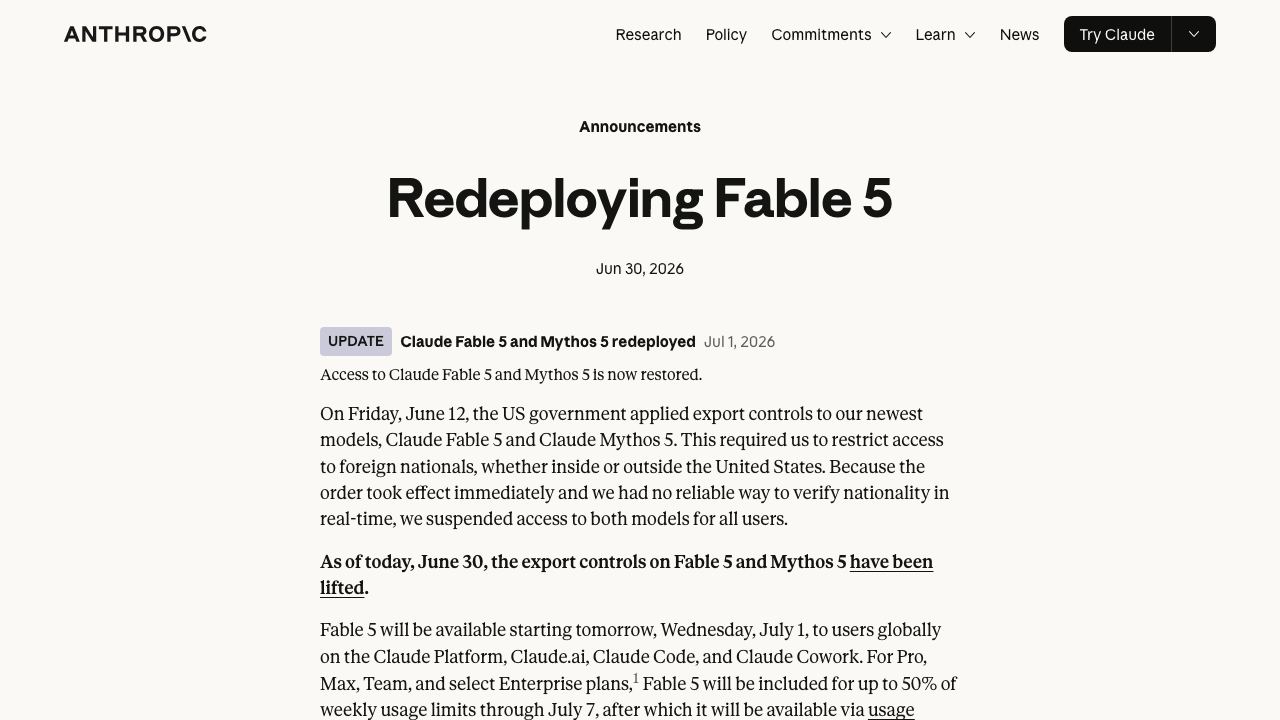
Claude Fable 5 returns, reminding developers that model availability is production risk
Anthropic says Claude Fable 5 returned globally on July 1 across its platform, Claude.ai, Claude Code, and Claude Cowork after a temporary removal tied to a safeguard issue. The company frames the incident as evidence that the industry needs a more consistent way to assess and communicate jailbreak severity. That safety discussion is bigger than games, but the operational lesson is immediately relevant to anyone building a tiny studio around a preferred model.
Indie developers increasingly describe Claude and Codex as part of their daily production rhythm: the tool reads the project, suggests fixes, explains engine behavior, and drafts the tedious parts that used to consume evenings. A model change, an outage, a new limit, or a safety rollback can therefore interrupt real work. The healthiest takeaway is not to avoid these tools. It is to avoid making one vendor's current behavior a hidden dependency. Keep project instructions in the repository, preserve tests and build notes, and make sure a human can resume the work when the assistant is unavailable or behaves differently next week.
Why It Matters
- Fable 5 availability changed across Claude products after a safety response.
- Model continuity now affects day-to-day production for AI-heavy indie workflows.
- Portable instructions, tests, and documentation reduce dependence on any one model.
Godot draws a hard boundary around AI-authored contributions
The Godot Foundation says it has been overwhelmed by the volume of pull requests, especially from new contributors, and that the recent increase in AI-generated submissions has made the problem worse. Its policy update moves toward prohibiting entirely AI-authored code, agent-submitted pull requests, and AI-generated text in human-to-human communication. The announcement is one of the clearest current examples of a game-development community separating personal tool use from the responsibility of maintaining shared infrastructure.
This distinction is easy to miss in the social-media argument. A solo developer using Claude Code or Codex to investigate a local bug is not the same thing as an agent delivering a patch that maintainers must understand, validate, and support forever. Godot's concern is review capacity and accountability, not a claim that every AI-assisted line is unusable. For independent developers who rely on open-source engines, the practical lesson is constructive: use models to learn and test, but do not outsource comprehension. If you contribute upstream, be able to explain the change, reproduce the result, and fix it when the tool's first answer was wrong.
Why It Matters
- Godot links AI-generated submissions to review burden and maintainer burnout.
- Private assistance and upstream responsibility are different contexts.
- Understanding, tests, and follow-up ownership remain non-negotiable for contributions.
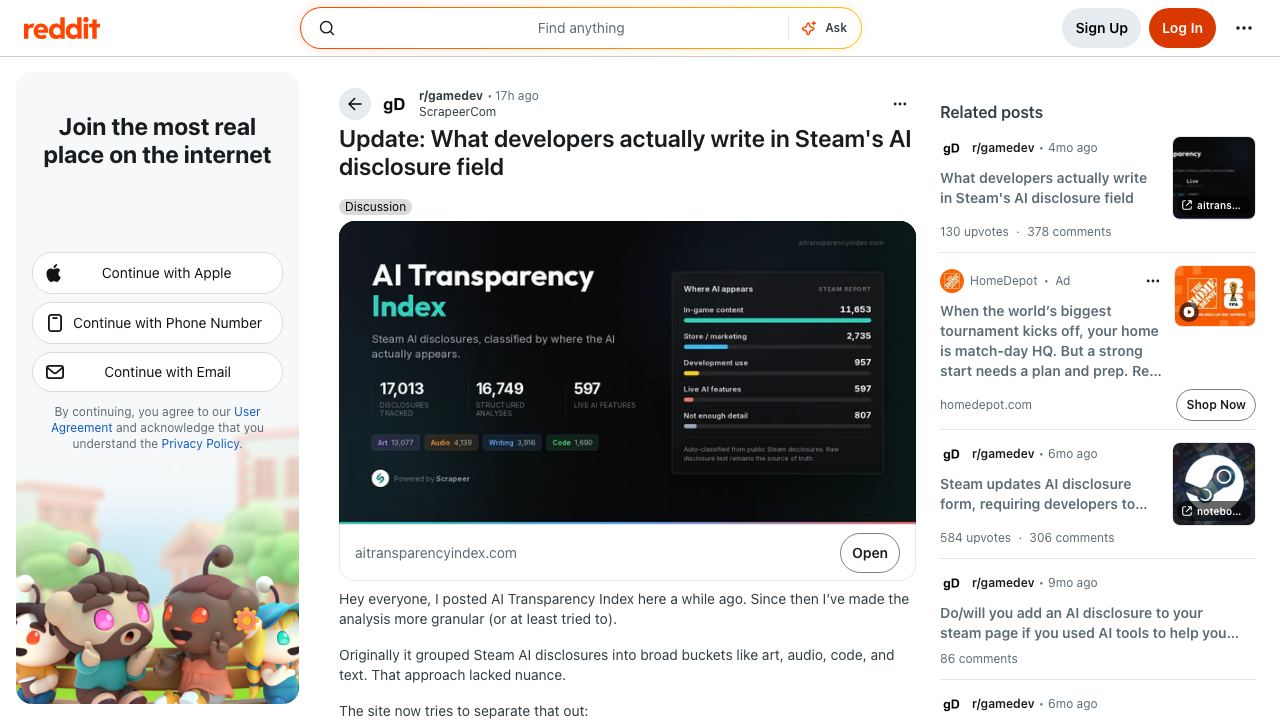
Steam AI disclosure talk shifts from labels to useful evidence
A widely discussed July 9 r/gamedev update examines what developers actually put in Steam's AI disclosure field. Rather than treating disclosure as a single yes-or-no marker, the project groups visible claims around development-only use, store or marketing work, in-game generated content, live AI features, and unclear cases. The conversation is lively because it exposes a mismatch between how creators use coding models and what players believe an AI label tells them.
Claude Code and Codex complicate the distinction. They may help write tools, repair scripts, or produce documentation without putting generated art, dialogue, or runtime generation in front of the player. Yet a large portion of the social debate treats all AI use as one category. That is not a problem that developers can solve with evasive wording. The better response is precise disclosure when a tool affects shipped material, plus a clear description of what the player will actually encounter. For an indie team, trust is too expensive to lose over an ambiguous sentence. A plain explanation of visible content, human authorship, and any live generation is more durable than arguing labels in the abstract.
Why It Matters
- The discussion separates workflow assistance from player-facing generated material.
- Steam pages remain the reference point, but interpretation is increasingly social.
- Specific explanations help indies protect player trust better than generic labels.
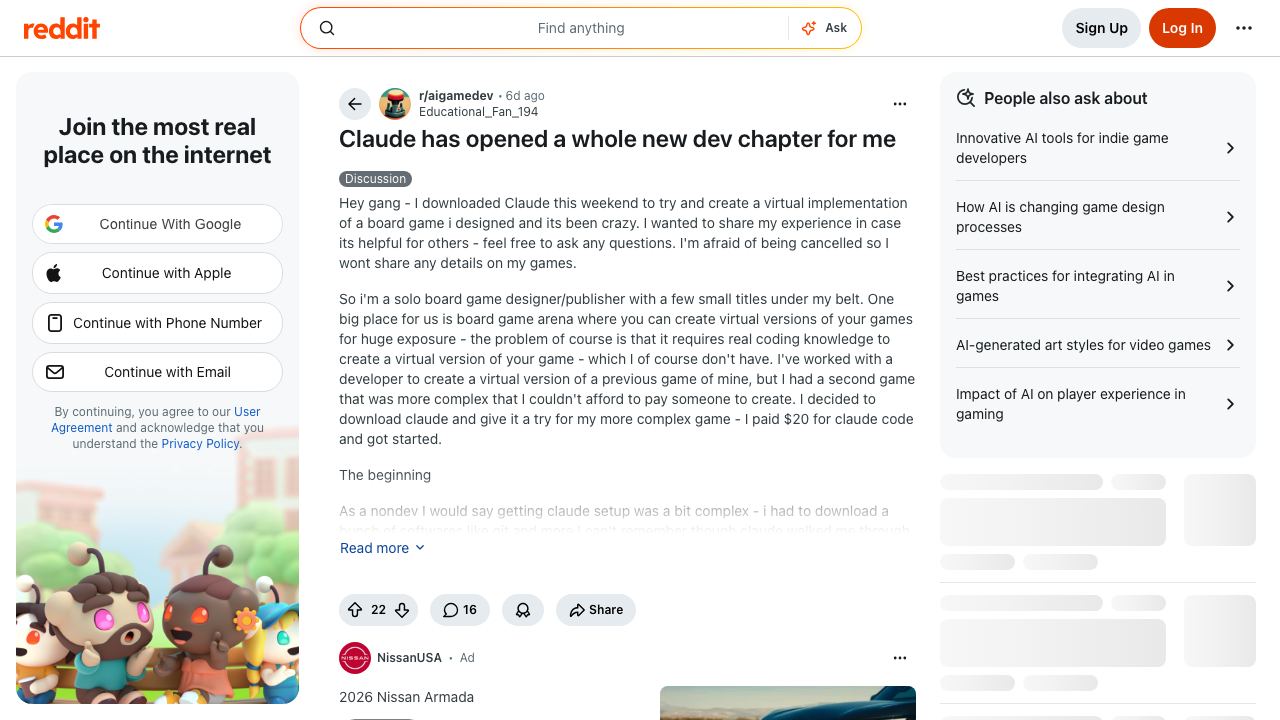
A Claude Code success story shows why access is no longer the only bottleneck
In a recent r/aigamedev post, a creator says Claude opened a new development chapter after the cost of hiring help made a more complex game feel out of reach. The story is modest, but it captures the strongest pro-AI argument circulating among independent makers: a paid coding assistant can turn a project from financially impossible into an experiment worth trying. That does not mean the model replaces a development team. It means the threshold for building a first playable version has moved.
The important word is playable. Social feeds are full of claims that a model can produce a game quickly, but the hard work begins when a prototype meets real players. Someone still has to decide what to cut, track edge cases, maintain a coherent visual language, prepare a build, and face feedback that an agent cannot feel. Claude and Codex are most powerful here when they reduce the penalty for iteration. They let a creator test more ideas before committing money or months. The advantage belongs to developers who use that extra iteration to find a sharper game, not those who mistake a fast first build for a finished product.
Why It Matters
- Affordable assistance can unlock experiments that hiring costs once blocked.
- A fast prototype changes the start of development, not the need for production discipline.
- The best use of saved time is more testing and stronger creative decisions.
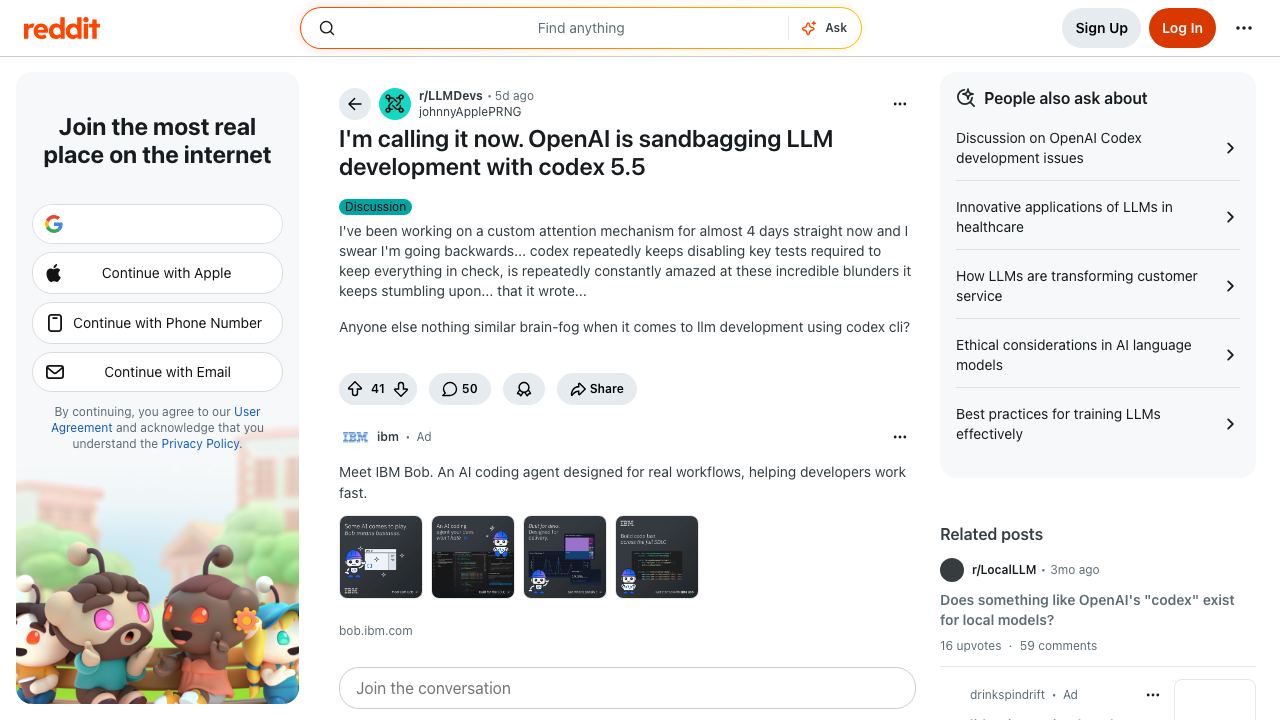
Codex users keep surfacing the long-context problem behind agent hype
A July 5 discussion in r/LLMDevs captures a less celebratory side of the Codex conversation: users describe agents losing track of earlier decisions in long tasks and sometimes undoing their own work as context grows. Individual reports are not a product benchmark, but they matter because they describe the exact situation indie game projects create. A game repository is full of connected assumptions about input, saves, balance values, scenes, assets, and platform-specific behavior.
This is why new model capability should not be confused with unattended reliability. A strong coding agent can navigate unfamiliar files and complete an isolated task remarkably well; it can still make a harmful decision when the task boundary is fuzzy. The practical pattern emerging from experienced users is straightforward: ask for a plan, keep the change small, make the agent run focused checks, inspect the diff, and leave a short written record of decisions. These habits are not anti-AI friction. They are what make AI speed usable on a project that must survive beyond tonight's burst of enthusiasm. The model can carry context; the developer must still own the architecture.
Why It Matters
- Long, interconnected tasks remain a reliability challenge in user reports.
- Game projects amplify this because systems share hidden assumptions.
- Small scopes, tests, and written decisions turn agent output into maintainable work.
Indie developers begin counting the real cost of multi-model workflows
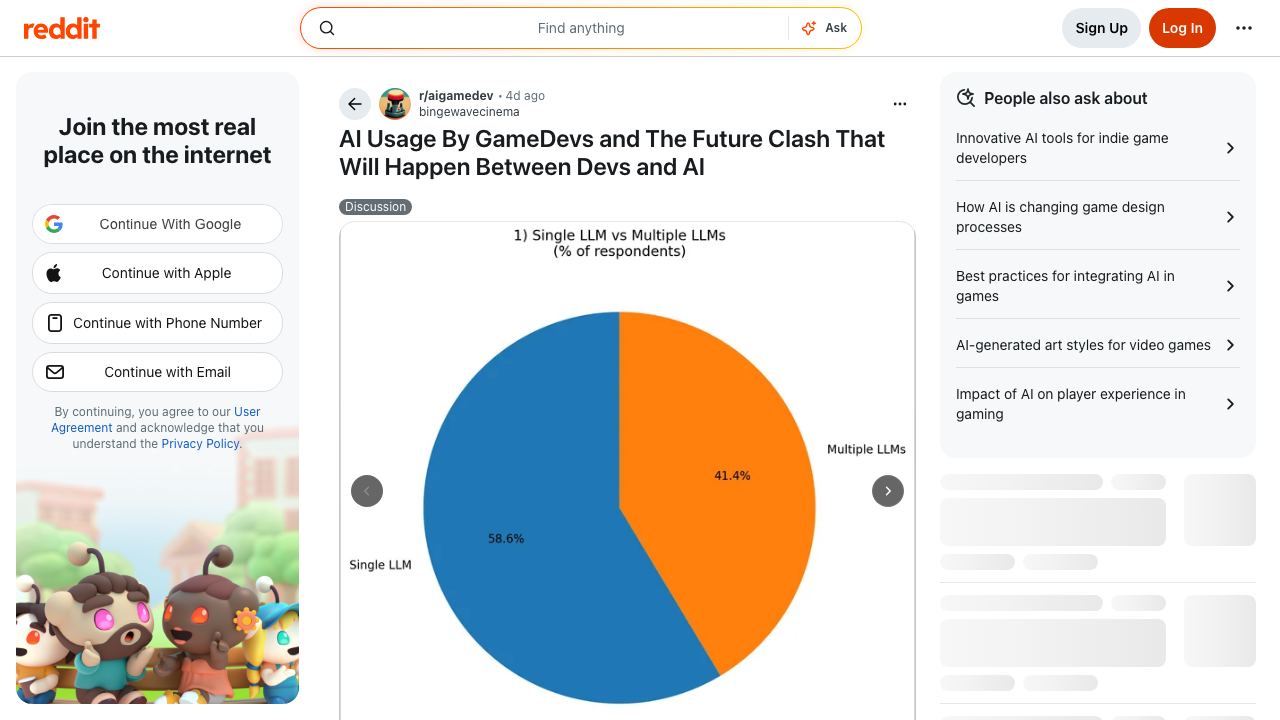
A July 5 r/aigamedev discussion turns the Claude-versus-Codex conversation into a business question: what happens when an independent developer's inexpensive monthly AI workflow becomes more expensive, usage-limited, or dependent on several providers? Participants describe using more than one model during development and worry that today's low entry price may not represent the long-term cost of intensive agent use. The point is not that the tools are a bad deal. It is that a production plan should survive a change in the deal.
For a solo studio, AI spending belongs in the same category as engine services, asset subscriptions, build tools, and marketing software. A model that saves ten hours may be excellent value; a model that triggers a frantic rewrite after reaching a limit may not be. Claude and OpenAI are making a genuine new kind of leverage available, especially for prototyping and maintenance. But leverage only helps when the creator knows where it is concentrated. Keep a simple record of recurring usage, identify which jobs truly need the strongest model, and avoid designing a release schedule around capacity you do not control. That is how an exciting tool becomes a stable part of an indie business.
Why It Matters
- Multi-model use is becoming normal for developers comparing strengths and limits.
- Subscription price is only part of the cost; interruptions and rewrites matter too.
- A simple usage budget gives a small studio room to adapt when conditions change.