Today's Summary
June 30 is less about one blockbuster announcement than a hard reset in the business assumptions around games: price pressure is reshaping who can afford the biggest releases, Xbox studio cuts keep exposing the fragility of platform ownership, Nintendo Switch 2 sales show hardware demand is still real when the offer is clear, and AI disclosure fights are turning storefront trust into a practical publishing problem.
Editor's Viewpoint
The main signal today is that the games business is no longer fighting one pressure point at a time. Players are being asked to absorb higher hardware costs, higher software prices, more subscription decisions, and more platform fragmentation at the same moment studios are trying to hold teams together and defend margins. That makes the next wave of growth much harder than the last one. GTA VI may still be powerful enough to pull millions of people into new consoles, and Switch 2 demand shows that dedicated hardware is not dead. But those wins are happening inside a market where every purchase now needs a stronger justification. The most important strategic question for publishers is not simply whether a game is good enough. It is whether the full ecosystem around that game feels fair enough. Pricing, store visibility, AI labels, device compatibility, and post-launch trust are now part of the product. Developers who treat those as separate business-office issues will miss how players actually experience the market.

GTA VI keeps the pricing debate at the center of 2026
The New York Post reports that GTA VI has become the latest flashpoint in the debate over premium game pricing, with player anger focused on possible high-priced editions and paid access layers. The details around final editions still matter, but the reaction itself is already useful: Rockstar can command unmatched attention, yet even GTA is not immune to sticker shock.
For the rest of the industry, this is the uncomfortable lesson. If the strongest brand in games can trigger pricing anxiety, smaller publishers have less room for vague value promises. Premium launches need clearer edition structures, less confusing access language, and a better explanation of what players are actually buying.
Key Points
- Pricing sensitivity - GTA VI is powerful, but not above consumer pushback.
- Edition clarity - Premium bundles must avoid feeling like paywall confusion.
- Market read - Other publishers will study how much demand survives the backlash.
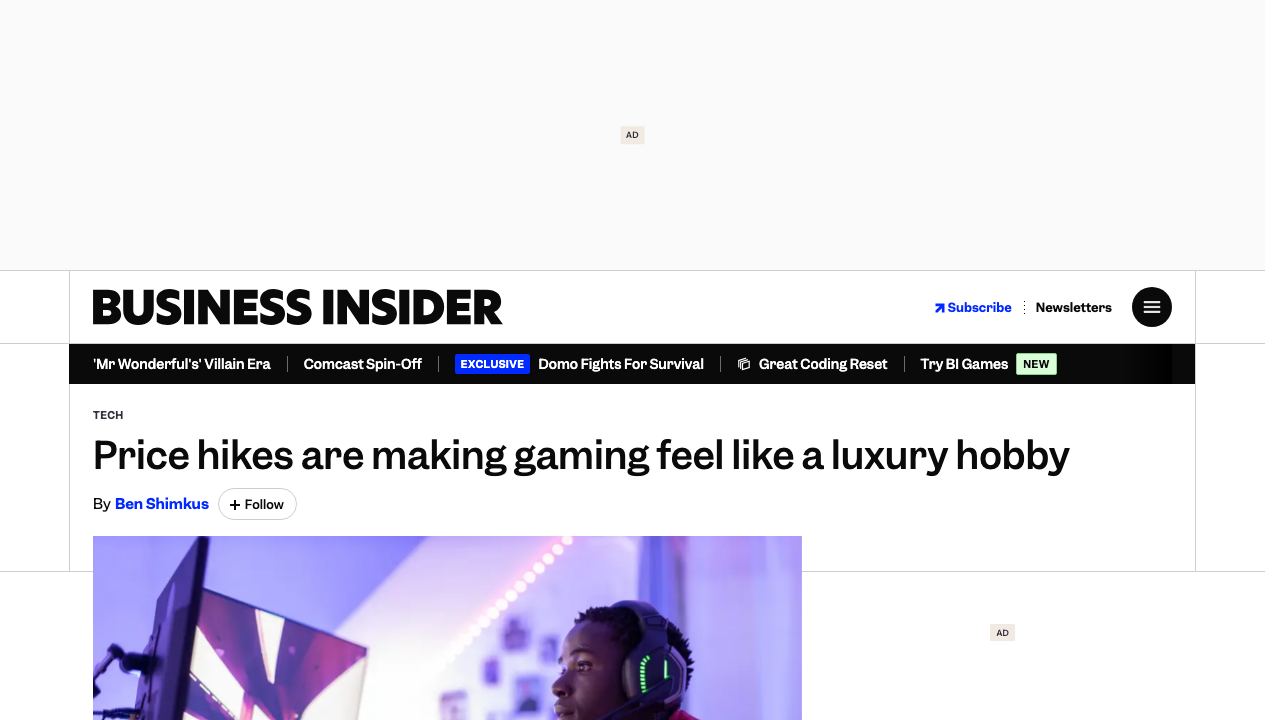
Gaming inflation turns the console upgrade into a bigger decision
Business Insider reports that gaming is becoming more expensive across hardware, subscriptions, and software. That matters because the industry is moving toward a late-cycle moment where players are being encouraged to buy new devices, more storage, and premium editions just as broader technology costs are rising.
The business impact is straightforward. Developers cannot assume that player attention automatically converts into purchases. Discount strategy, launch timing, platform selection, and subscription availability all matter more when households are choosing between several expensive entertainment devices.
Key Points
- Cost stack - Hardware and content prices are rising together.
- Buyer friction - Players may delay upgrades even for major releases.
- Publisher response - Clear value and flexible access models become more important.
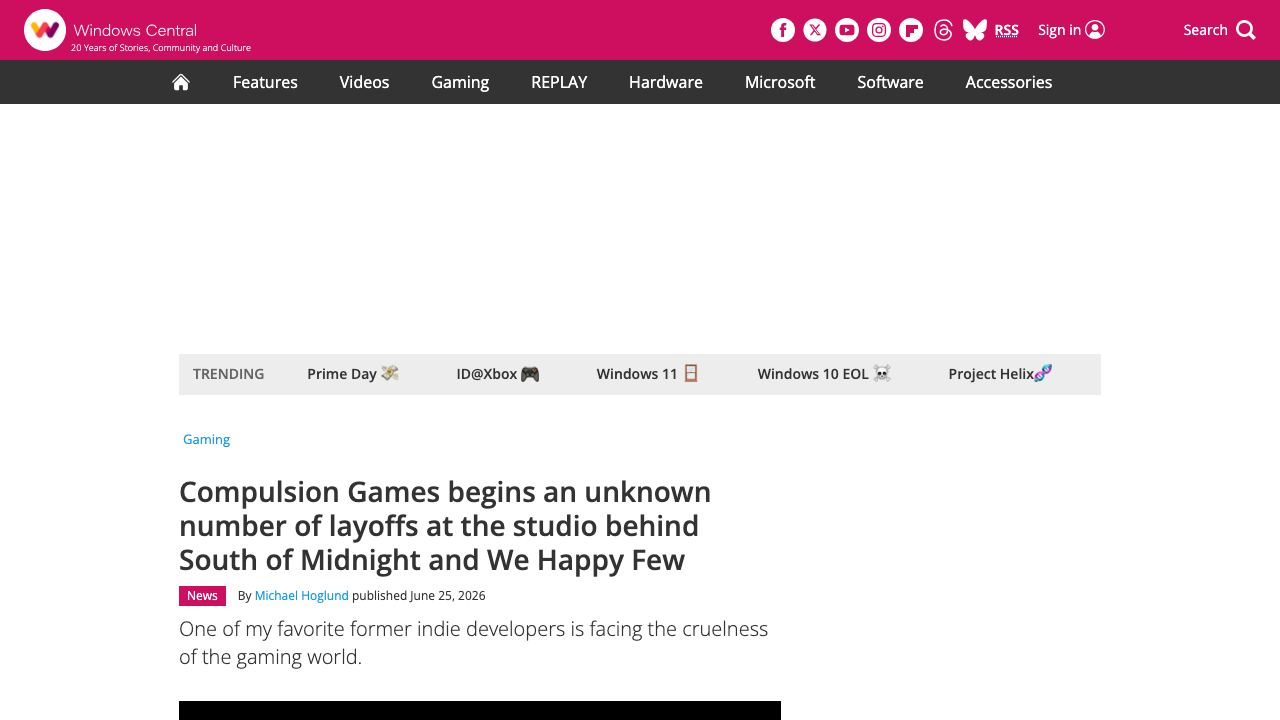
Compulsion layoffs show creative studios remain exposed
Windows Central reports that Compulsion Games has begun layoffs after South of Midnight, with the final number of affected workers still unclear. The studio is important because it represents the kind of distinctive, art-led team that platform owners often present as evidence of creative breadth.
The signal is grim but familiar: acquisition does not remove business risk. For developers, first-party ownership can provide funding, access, and marketing, but it also places creative teams inside larger cost-control cycles. That makes workforce stability one of the central questions behind every platform strategy.
Key Points
- Workforce risk - The layoff count has not been fully detailed.
- Studio identity - Compulsion is known for distinctive narrative and visual style.
- Platform lesson - First-party status does not guarantee protection from cuts.
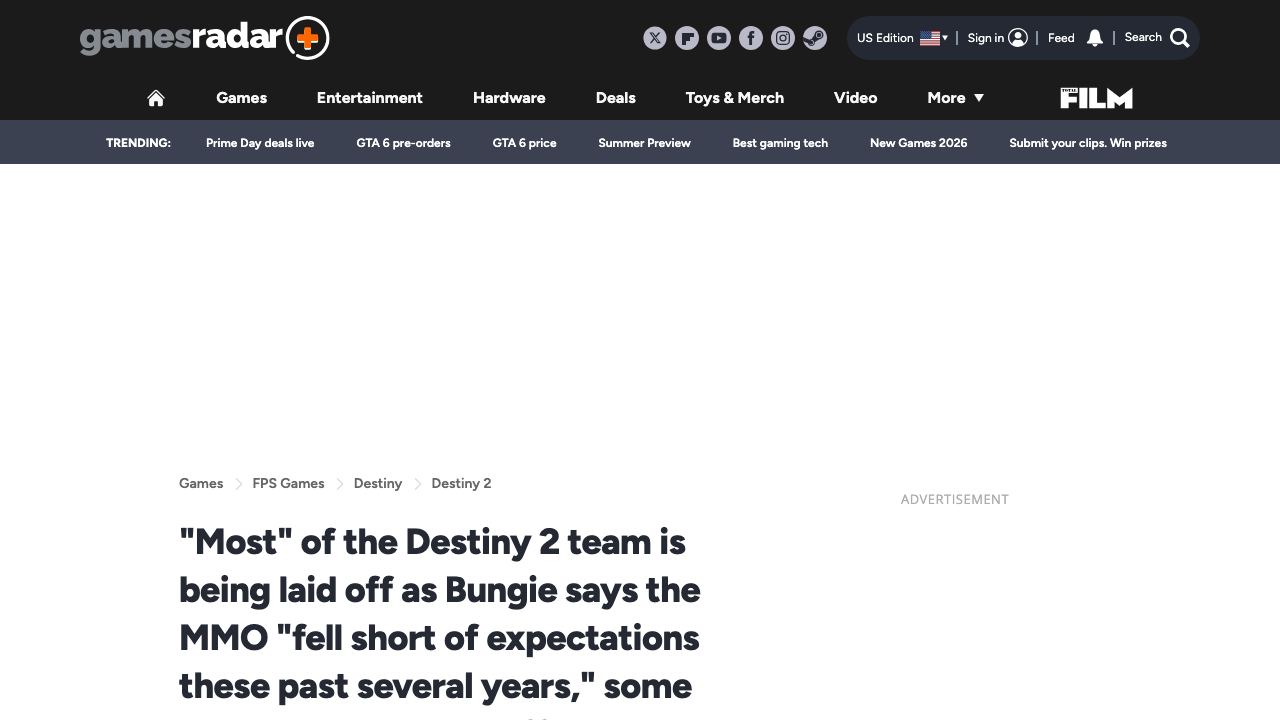
Bungie anxiety keeps Destiny and Marathon under scrutiny
GamesRadar+ reports that Bungie watchers are openly worried about the studio after the Marathon delay and earlier rounds of layoffs. The concern is not just about one game slipping. It is about whether Bungie can support Destiny 2, fix Marathon, and maintain morale while operating under intense business pressure.
This story matters because Bungie is still one of the most important live-service case studies in the industry. If a studio with Destiny's history struggles to stabilize production and trust, newer live-service bets have to be judged with much more caution.
Key Points
- Delay pressure - Marathon's delay increases attention on Bungie's pipeline.
- Live-service risk - Long-running games need stability as much as content.
- Industry warning - Prestige does not make a studio immune to restructuring fear.
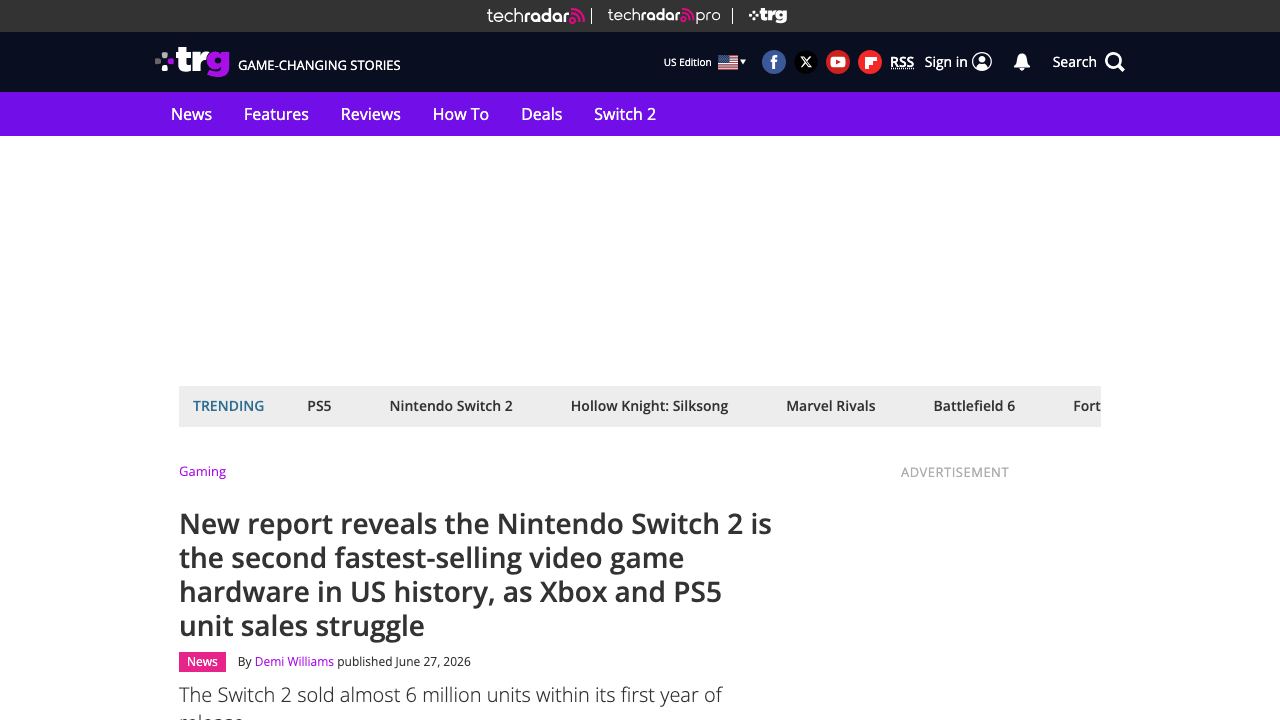
Switch 2 demand gives Nintendo a rare clean hardware signal
TechRadar reports that Circana data shows Nintendo Switch 2 had one of the strongest US hardware starts on record. In a week dominated by price anxiety elsewhere, that matters because it proves players will still show up for dedicated hardware when the product story is simple and the software promise feels credible.
For Nintendo, the challenge is now cadence. Launch demand is only the first test. The company needs a steady calendar, strong first-party rhythm, and enough third-party support to turn early enthusiasm into a long platform cycle.
Key Points
- Hardware proof - Switch 2 demand remains strong despite a tougher market.
- Software duty - Nintendo must maintain momentum after the launch surge.
- Platform contrast - Clear value can still beat general pricing fatigue.

Xbox price pressure makes Game Pass messaging more important
The Sun reports that Microsoft is discontinuing the Xbox Series X 2TB model and raising prices across parts of the Xbox hardware lineup from August 1. The reported increases put more pressure on Microsoft to explain why Xbox remains a good value proposition in a market where hardware is no longer getting cheaper over time.
The strategic consequence is that Game Pass, PC support, cloud access, and financing options become central to the pitch. Xbox cannot rely on console price alone; it has to sell the entire ecosystem as flexible enough to justify staying inside it.
Key Points
- Hardware inflation - Xbox prices are moving up rather than down.
- Portfolio change - The 2TB model is reportedly being removed.
- Ecosystem burden - Game Pass has to carry more of the value story.
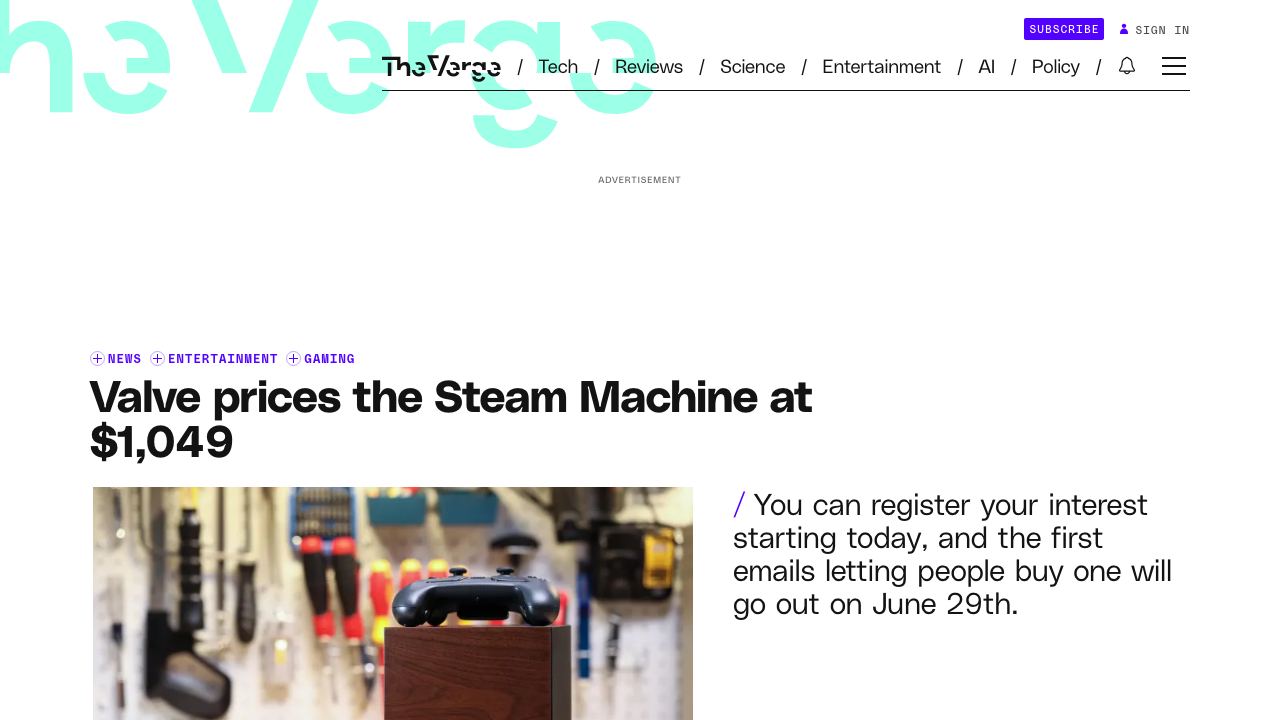
Valve tests premium living-room PC demand with Steam Machine
The Verge reports that Valve's new Steam Machine launches at a starting price of $1,049. That makes it more expensive than the console category it will often be compared against, but Valve is selling something different: a living-room PC tied to an existing Steam library and a growing SteamOS ecosystem.
For developers, the important part is not the first-week hardware number. It is whether SteamOS becomes a more serious target across handheld and living-room devices. If players accept that bridge, PC optimization will increasingly include couch play, controller-first UI, and performance profiles across more Valve hardware.
Key Points
- Premium device - Steam Machine is priced well above mainstream consoles.
- Library leverage - Valve can lean on players' existing Steam purchases.
- Developer impact - SteamOS compatibility may become a wider platform requirement.
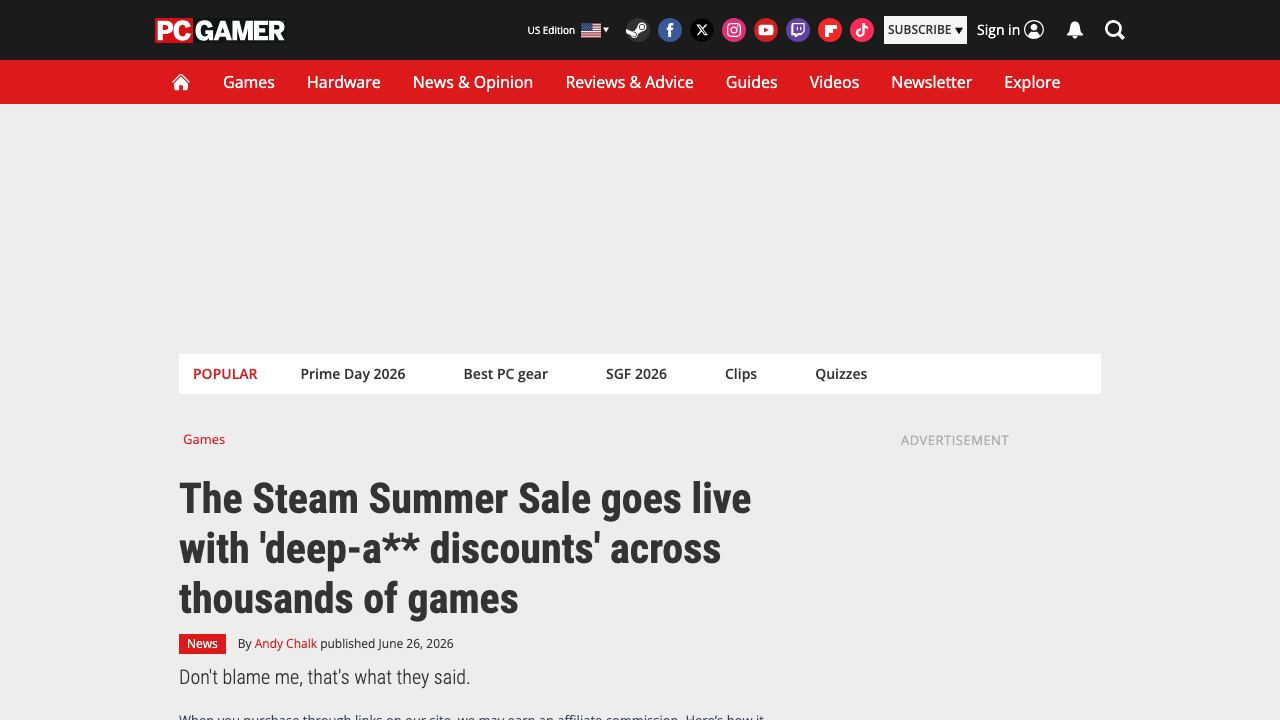
Steam Summer Sale shows discounts are also discovery infrastructure
PC Gamer reports that the 2026 Steam Summer Sale is live through July 9, bringing the usual wave of major discounts and recommendation pressure. The sale matters because it is not just a consumer event. For many studios, it is a visibility system that can revive older games, convert wishlists, or expose weak positioning.
The downside is density. Every discount competes with thousands of other discounts. Teams need strong store art, clear capsule copy, and coordinated community messaging if they want a sale to become more than a temporary price cut.
Key Points
- Revenue window - Summer Sale can convert wishlists and back-catalog interest.
- Discovery pressure - Deep discounts do not guarantee attention.
- Marketing lesson - Store presentation matters most when every game is on sale.
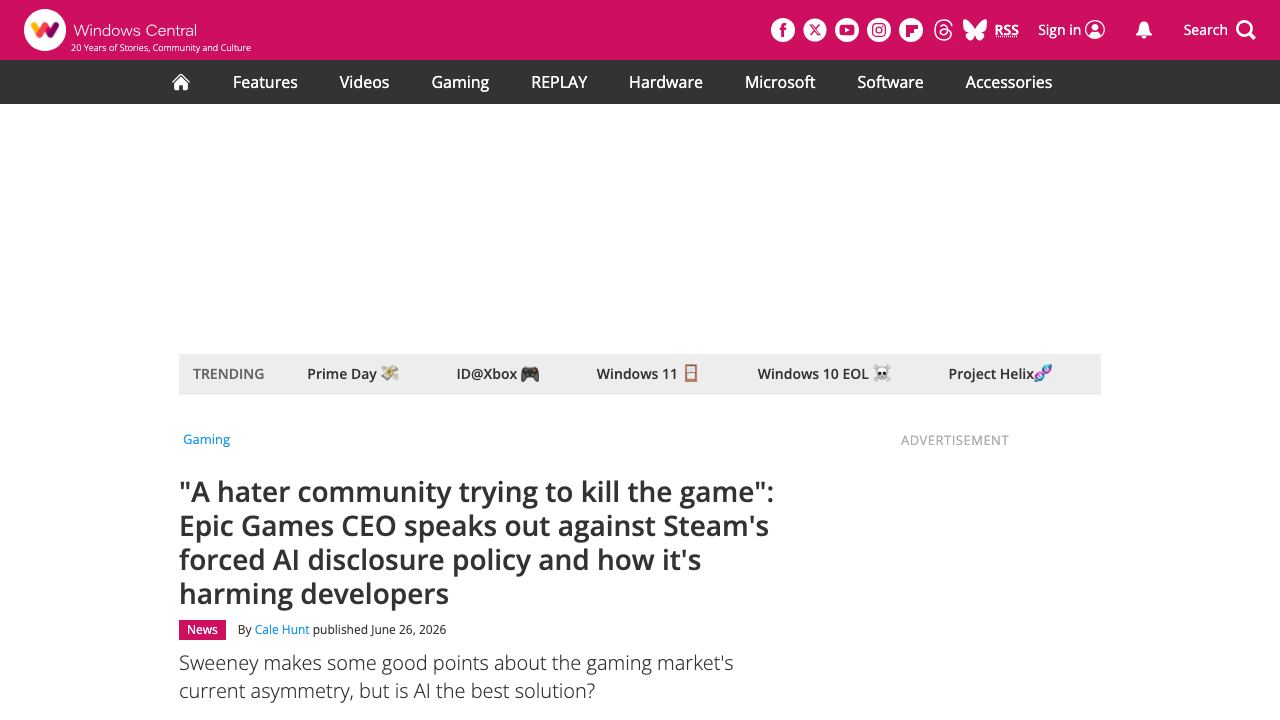
Steam AI labels turn transparency into a sales problem
Windows Central reports that Epic CEO Tim Sweeney criticized Steam's AI disclosure policy, arguing that visible AI labels can act like a stigma for developers. Whether one agrees with Epic or Valve, the commercial issue is real: storefront metadata can shape whether a player trusts a game before they even watch a trailer.
Developers now need AI policy as part of publishing strategy. It is no longer enough to decide privately which tools a team uses. Studios need public language, asset provenance discipline, and a plan for how disclosure will affect community expectations.
Key Points
- Trust layer - AI labels influence buyer perception.
- Platform split - Epic and Valve are taking visibly different positions.
- Studio need - Teams need clear disclosure practices before launch.
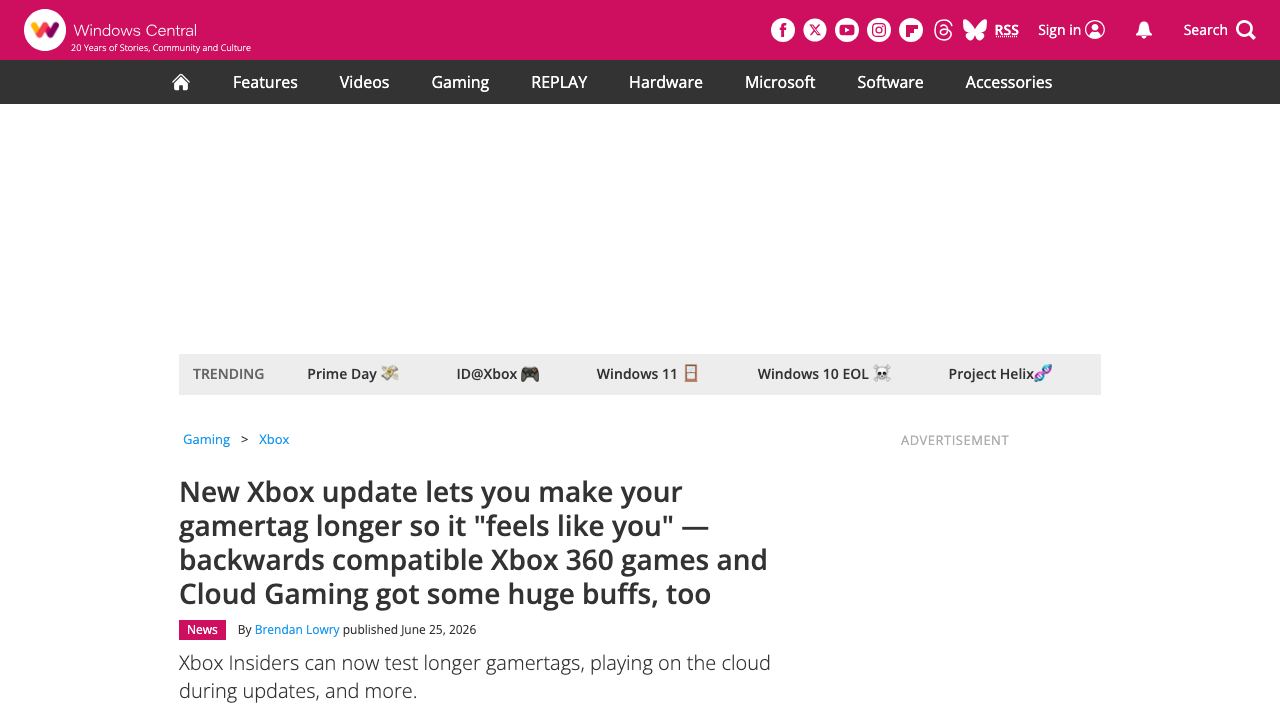
Xbox update focuses on identity and cloud convenience
Windows Central reports that a new Xbox update is expanding gamertag length, improving backward-compatible Xbox 360 game hubs, and letting some Game Pass users stream supported games while updates download. These are not showcase-level features, but they point to Microsoft's current platform emphasis: make the daily experience feel less rigid.
For publishers, quality-of-life platform work matters because it reduces friction between ownership, subscription access, and play. Xbox still has to answer bigger questions about hardware pricing and studio stability, but smoother cloud and identity features can help keep users inside the ecosystem.
Key Points
- Identity feature - Longer gamertags give users more room for personalization.
- Cloud convenience - Supported games can be streamed while updates download.
- Platform message - Microsoft is trying to improve everyday Xbox friction.
Steam Next Fest AI disclosures sharpen the indie discovery problem
GamesRadar+ reports that June's Steam Next Fest included more than 8,600 demos, with nearly 1,700 disclosing AI-generated content. The numbers are a reminder that the indie problem is not just quality or ethics. It is volume. Players are being asked to evaluate too much at once.
For small studios, that means the minimum bar for trust is rising. A demo needs more than a good concept. It needs clear positioning, visible craft, believable developer communication, and a reason for players to care before the next festival wave arrives.
Key Points
- Festival scale - Thousands of demos make discovery difficult.
- AI anxiety - Disclosure can change whether players sample a project.
- Indie response - Trust signals now matter as much as screenshots.