Today's Summary
June 21 is a weekend strategy brief for game makers: Epic is warning that AAA economics are under pressure, Unreal Engine 6 is becoming a debate about AI and accessibility, GTA 6 pre-orders are about to test premium launch demand, preservation activists are pushing shutdowns into lawmaking, and Steam discovery pressure keeps reminding smaller studios that visibility is now a production problem, not just a marketing problem.
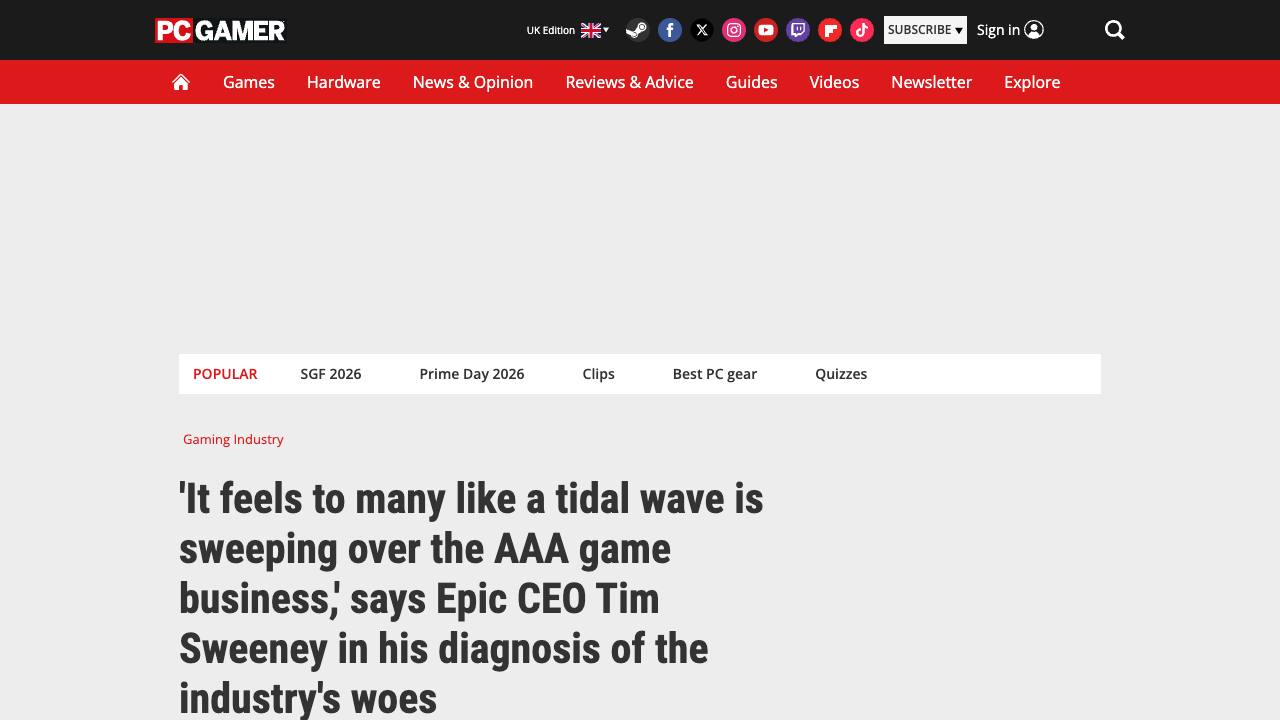
Tim Sweeney says AAA games face a tidal wave of cost pressure
PC Gamer reports that Epic CEO Tim Sweeney used Unreal Fest to describe the AAA business as facing a serious cost and attention crisis. His argument is not simply that games are expensive; it is that huge budgets are colliding with a market where young players spend more time in social ecosystems like Fortnite and Roblox than in one-off premium releases.
For developers, the key signal is strategic. Epic is using the crisis narrative to explain why Unreal Engine 6, creator economies, interoperable identity, and AI-assisted workflows matter to its future. That framing may help smaller teams if tools genuinely lower production costs, but it also increases the pressure to build inside large platform ecosystems rather than staying fully independent.
Key Points
- AAA pressure - Big-budget releases face rising cost and weaker certainty.
- Platform shift - Epic is pushing connected ecosystems as the alternative.
- Developer risk - Efficiency gains may come with deeper platform dependence.
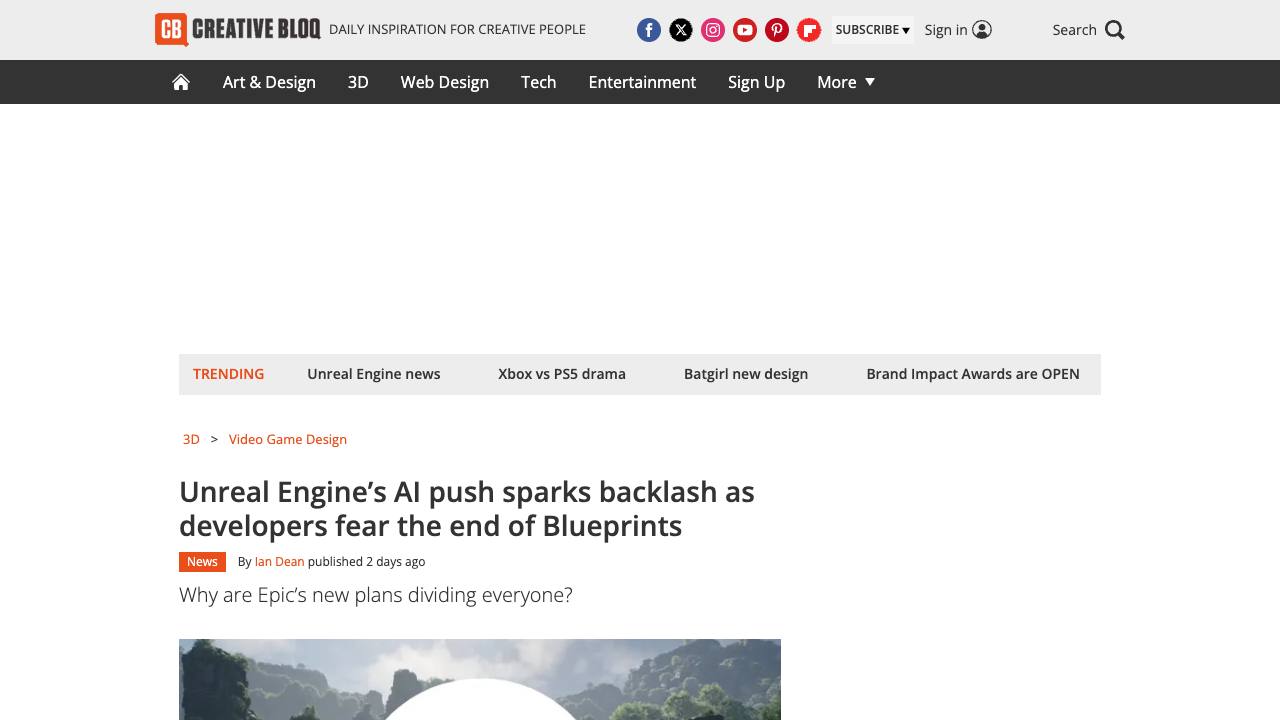
Unreal Engine 6 AI push sparks Blueprints anxiety
Creative Bloq reports that Unreal Engine 6 messaging around AI tools and Verse is creating anxiety among developers who rely on Blueprints. Epic has said Blueprints will remain available in early UE6 access, but the long-term direction toward Verse and AI-assisted workflows has raised questions about accessibility for indies, students, and non-programmer designers.
This is more than a tool preference fight. Blueprints lowered the barrier to prototyping and helped designers participate directly in gameplay logic. If UE6 moves the center of gravity toward code and automation, studios may gain power but lose some of the approachable workflow that made Unreal attractive to smaller teams. Epic now has to sell productivity without making creators feel replaced.
Key Points
- Accessibility concern - Blueprints made Unreal easier for non-coders.
- AI debate - Automation is being read as both help and threat.
- Migration risk - Studios need clarity before committing future pipelines to UE6.
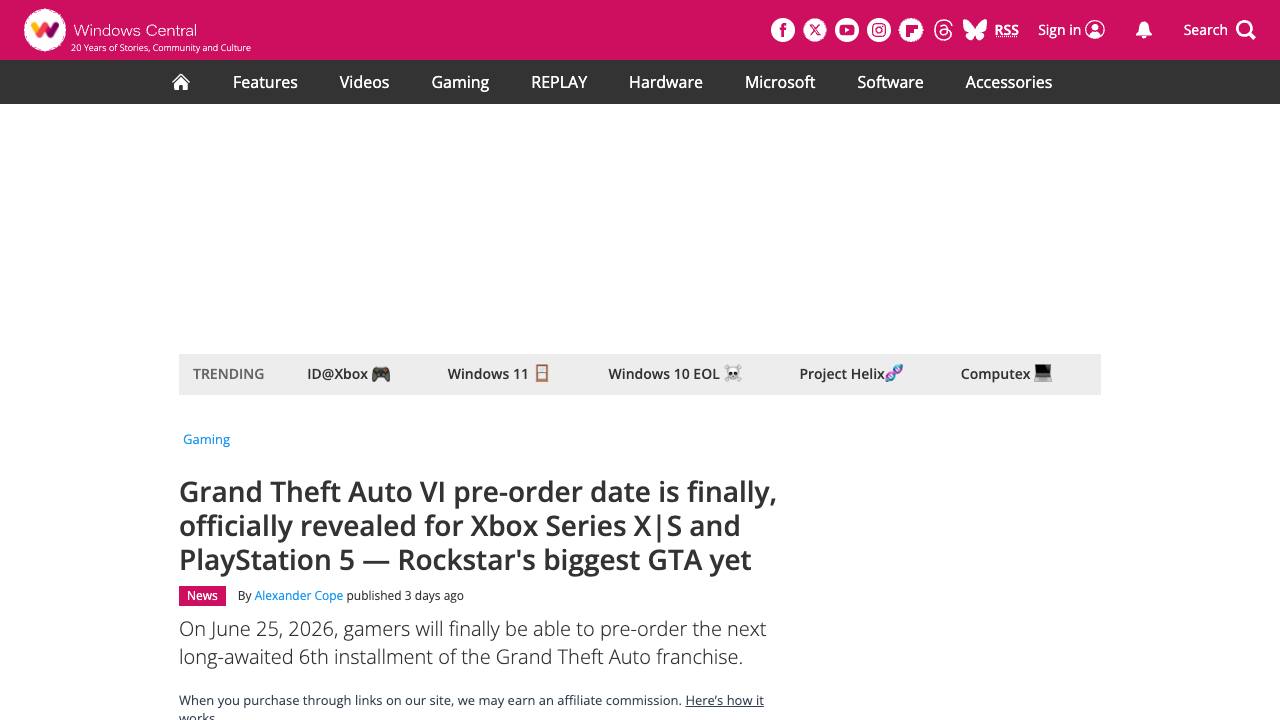
GTA 6 pre-orders become the next market stress test
Windows Central reports that Grand Theft Auto VI pre-orders open on June 25 for PlayStation 5 and Xbox Series X/S, ahead of the confirmed November 19 launch. Rockstar has not yet answered every question about editions, pricing, or post-launch timing, which makes the pre-order window an important demand signal for the entire market.
For publishers, GTA 6 is both opportunity and disruption. A strong pre-order start could validate premium pricing and luxury editions, while also pushing other late-2026 games to reconsider release windows. Even studios outside Rockstar's genre need to watch storefront positioning, ad costs, and player attention once the biggest game launch of the year starts taking money.
Key Points
- Demand signal - June 25 will show how eager console buyers are.
- Pricing watch - Premium editions may affect the wider $70-plus debate.
- Calendar effect - Other publishers must plan around November attention collapse.

Stop Killing Games turns shutdown frustration into policy pressure
The Guardian reports that Stop Killing Games campaigners are pushing the problem of online game shutdowns into legislative and regulatory conversations. The campaign argues that players who buy games should not lose access completely when publishers switch off required servers, especially if there is no preservation plan or offline fallback.
For studios, the takeaway is practical. Always-online design now carries consumer-rights risk, not only technical risk. Publishers may need clearer end-of-life promises, private server options, offline modes, or at least transparent shutdown timelines. Even before laws change, trust can be damaged when players feel a product they paid for has been erased by backend decisions.
Key Points
- Ownership debate - Server shutdowns are becoming a consumer-rights issue.
- Design impact - Online dependency needs an end-of-life plan.
- Trust cost - Preservation is now part of brand risk.
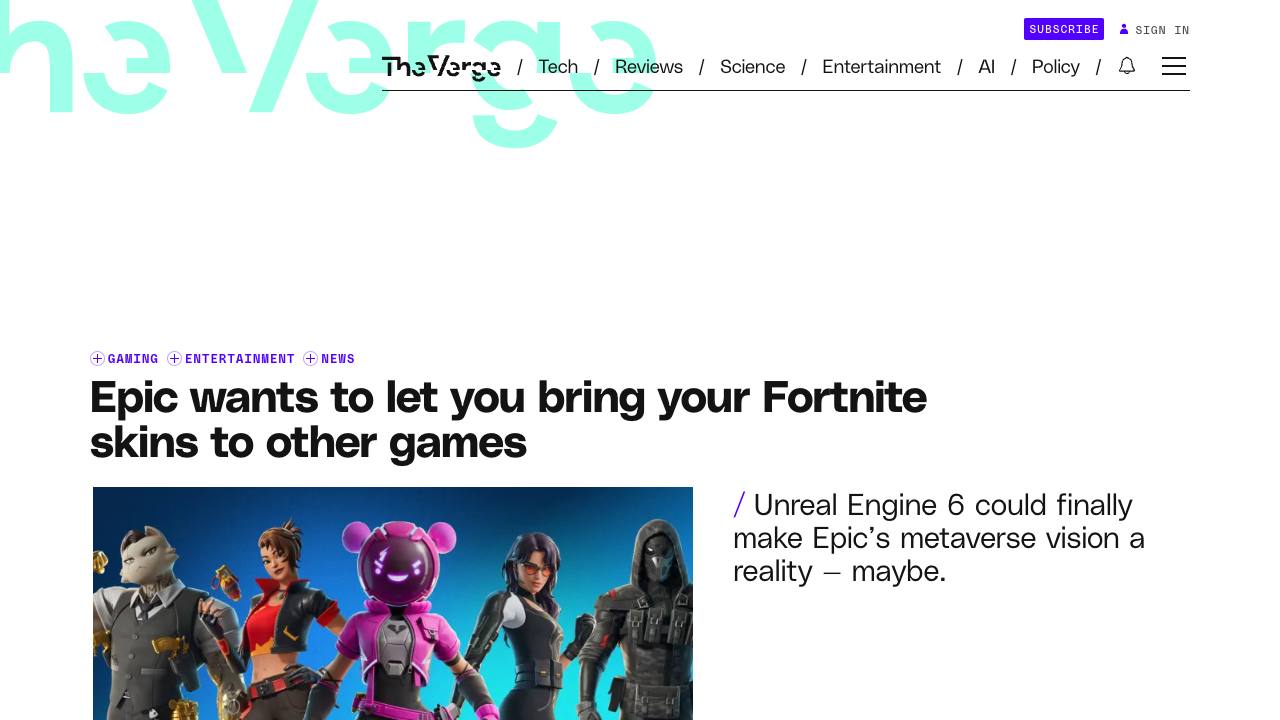
Epic wants Fortnite identity to travel into other games
The Verge reports that Epic wants Unreal Engine 6 to support Fortnite skins across other games, creating a more connected identity and cosmetics layer. The idea is simple for players: a skin bought in one place could have meaning elsewhere. For developers, the reality is more complex because implementation, account systems, moderation, and marketplace rules all matter.
This is Epic's platform argument in miniature. UE6 is being presented as a way to connect games, not only render them. That could create new distribution and monetization options, but it also gives Epic more influence over how studios think about cosmetics, player identity, and cross-game commerce.
Key Points
- Interoperability pitch - Player identity becomes a cross-game feature.
- Adoption hurdle - Developers need clear benefits to do the extra work.
- Platform gravity - UE6 may pull tools, stores, and identity closer together.
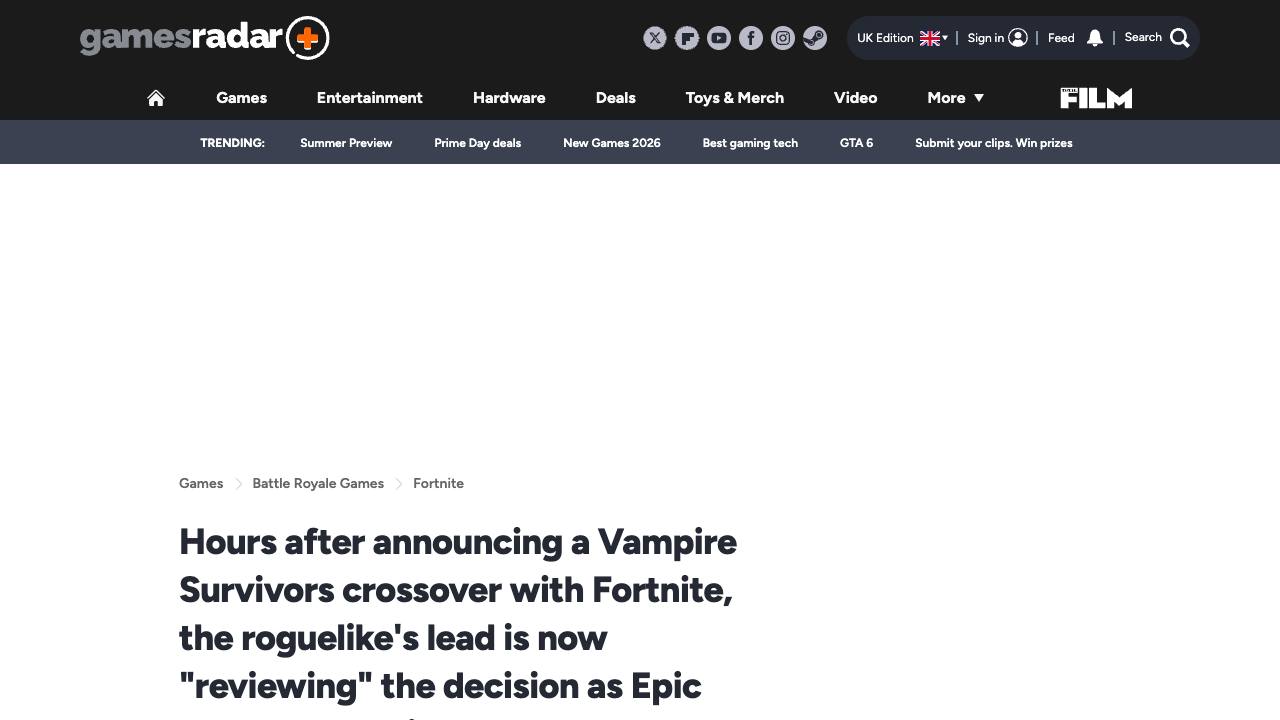
Vampire Survivors creator reviews Fortnite crossover after AI concerns
GamesRadar reports that Poncle began reviewing its Vampire Survivors crossover with Fortnite after Epic discussed generative AI as part of its production future. The issue is not whether one crossover asset is AI-generated; it is whether an indie brand with a creator-friendly audience wants to be attached to a platform strategy that many artists and developers distrust.
For business teams, the lesson is that AI policy is becoming partnership policy. Collaborations now require questions about asset sourcing, disclosure, labor impact, and community expectations. Studios may still use AI internally, but public brand deals can become fragile if players believe a partner is normalizing unwanted automation.
Key Points
- Brand risk - AI controversy can spill into licensing deals.
- Indie sensitivity - Smaller communities may scrutinize platform partners closely.
- Policy need - Studios need public rules before announcing collaborations.
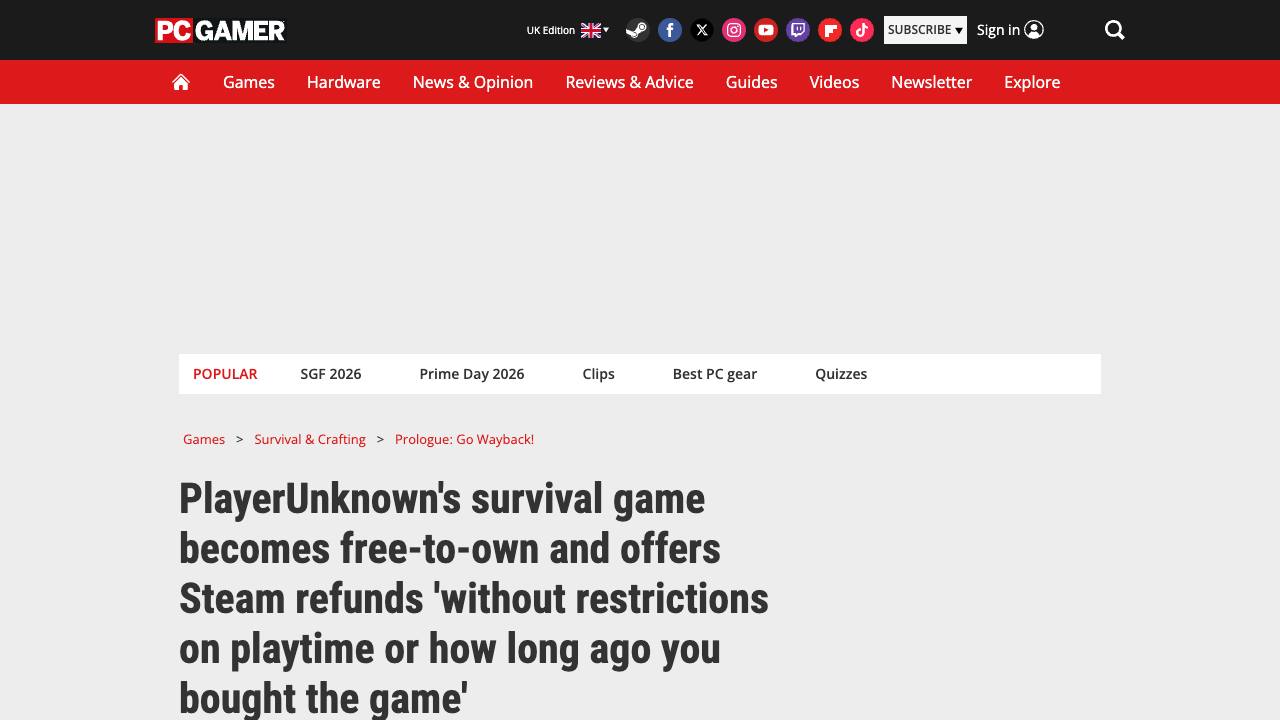
Prologue becomes free after development stops
PC Gamer reports that Prologue: Go Wayback! has become free to own after development stopped, with broad refund options for players who bought it earlier. PlayerUnknown Productions moved the project out of Early Access in an unfinished state so players would not mistake the store page for a game still receiving regular development updates.
The move is painful but unusually clear. Early Access trust depends on players believing the team is still trying to finish the promise. When that is no longer true, stopping paid sales and offering refunds is a cleaner answer than quietly leaving a broken roadmap in place. It is also a reminder that experimental technology bets can outlive the game they were first attached to.
Key Points
- Refund trust - Buyers get an unusually broad way out.
- Early Access honesty - Store status now matters as a promise signal.
- Tech survival - The Melba engine work continues with a smaller scope.
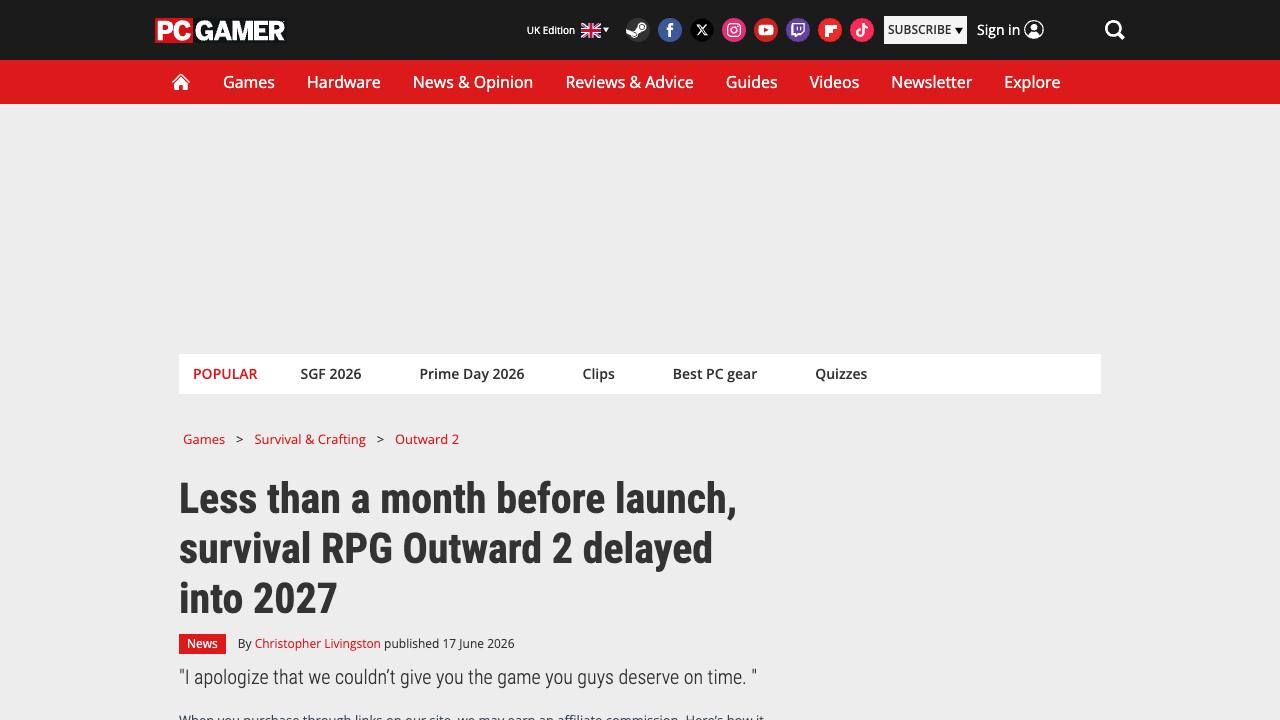
Outward 2 delay shows the cost of listening to beta feedback
PC Gamer reports that Outward 2 has slipped from a near-term July window into 2027 after beta feedback convinced Nine Dots Studio that the survival RPG needed more time. A delay this close to launch is never comfortable, but the studio framed it as the difference between shipping a compromised sequel and protecting the expectations of a niche but committed audience.
For development planning, the useful lesson is that public tests can change the business plan. Betas are often treated as marketing beats, yet they can reveal production gaps too large to hide. When a game depends on systems depth, friction, and long-term trust, delaying may be less costly than burning the audience with a weak first impression.
Key Points
- Beta consequence - Player feedback triggered a major schedule change.
- Trust protection - A niche sequel needs quality more than speed.
- Planning warning - Public tests should have real contingency time.
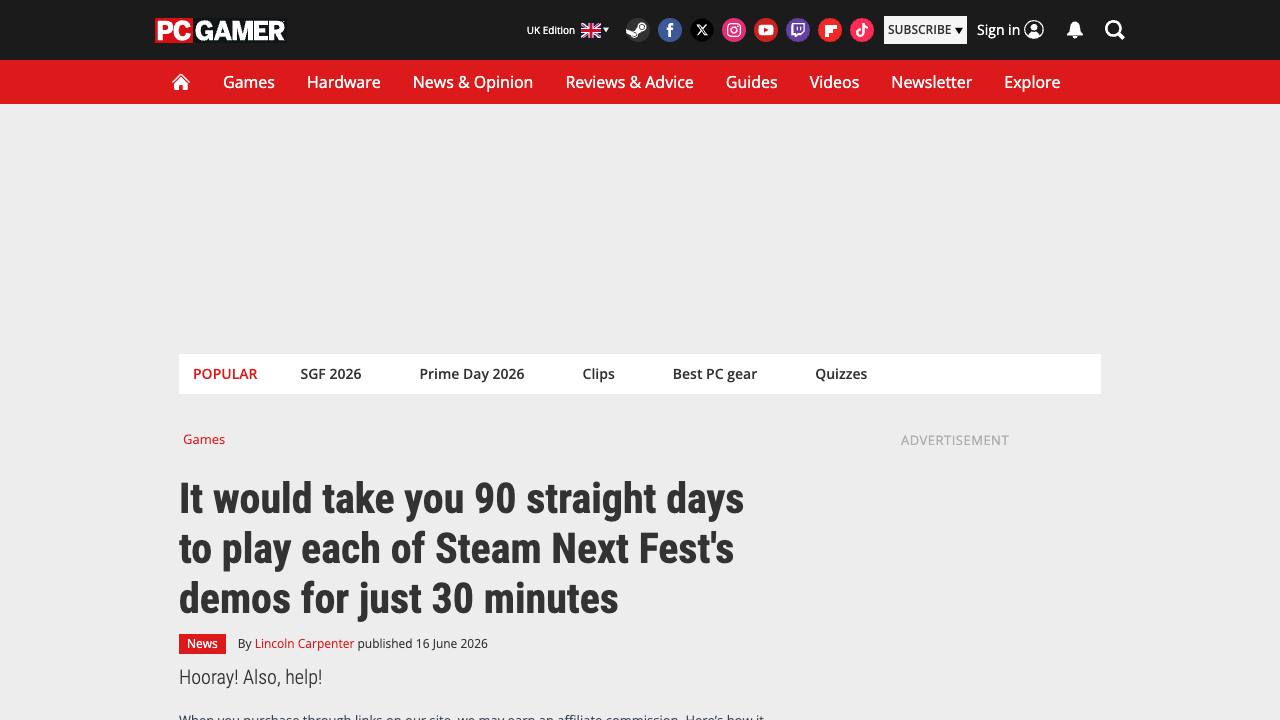
Steam Next Fest scale makes discovery a design problem
PC Gamer counted 4,347 demos in the current Steam Next Fest, enough that trying each for 30 minutes would take more than 90 straight days. The number is entertaining, but for indie teams it is also sobering. Discovery events are no longer scarce shelves; they are giant catalogs where players skip in seconds.
That changes how teams should think about demo design. The first minute, capsule art, tags, trailer, store copy, creator outreach, and post-demo call to action all need to work together. Next Fest can still move wishlists, but only for games that arrive with a tight hook and traffic strategy instead of treating the demo upload as the marketing plan.
Key Points
- Scale shock - Thousands of demos compete in one festival.
- First-minute pressure - Players need the hook immediately.
- Marketing reality - External traffic matters as much as festival participation.
Steam Deck experiments keep complex online games thinking portable
PC Gamer reports that the EVE: Frontier team is experimenting with Steam Deck support after adding controller-friendly driving and gamepad work. The developers describe it as a side quest, not a guaranteed roadmap item, but the effort shows how handheld PC compatibility has become part of platform thinking even for ambitious online projects.
For studios, portable support is a middle path between full console certification and pure desktop PC design. Steam Deck can increase reach, but it still asks hard questions about UI readability, launcher friction, power budgets, and input mapping. The upside is meaningful: if a complex survival MMO can feel plausible on handheld, more PC-first teams may treat portable play as a standard planning lane.
Key Points
- Platform reach - Deck support can expand access without a full console port.
- Design burden - UI and controls need intentional work.
- Market signal - Portable PC play is now part of launch planning.