Daily Brief
April 14 was one of those days where the tone changed every few hours. Nintendo talked about long-brewing life-sim design choices, Rhythm Heaven grabbed its own summer runway, Hades II finally reached more consoles, and the Metro 2039 reveal hovered over the rest of the week.
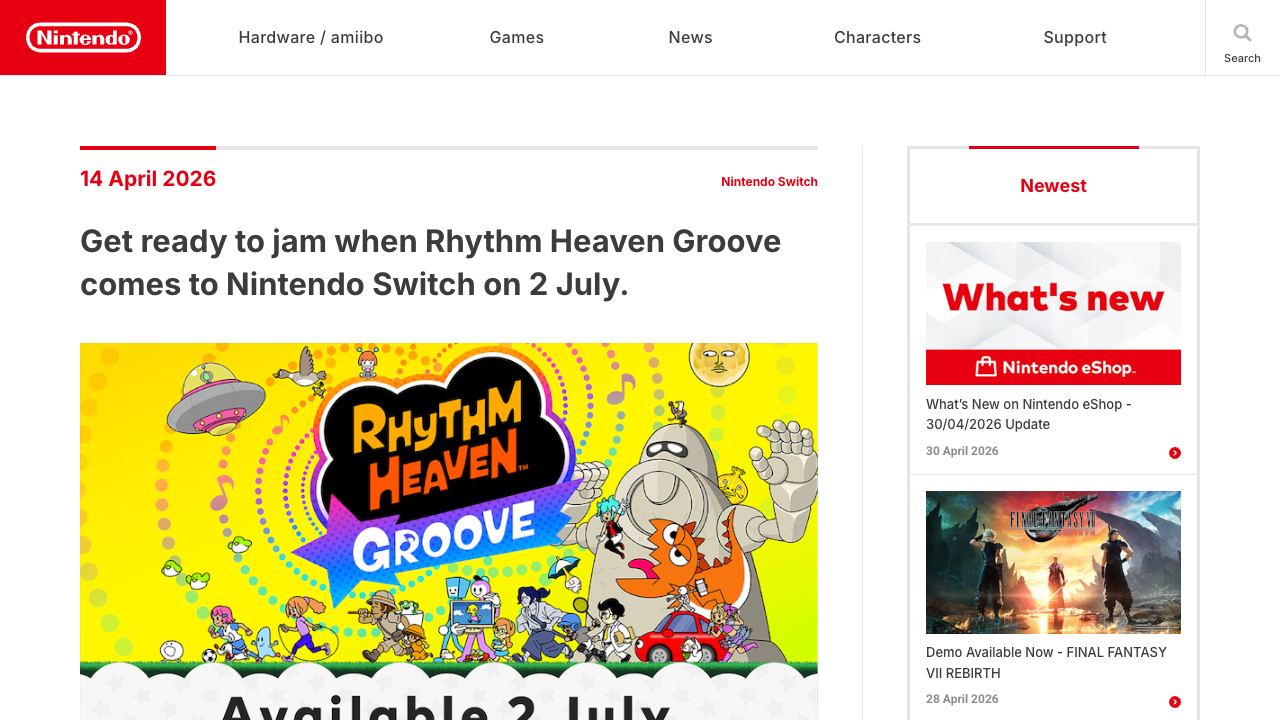
Nintendo gave Rhythm Heaven Groove a clean summer runway with a July 2 date
Nintendo used April 14 to put fresh focus on Rhythm Heaven Groove, confirming a July 2 release and positioning the game as another rhythm-first project that can live on both Switch and Switch 2. It is not the biggest title on the calendar, but that is exactly why the messaging matters: smaller first-party releases need room to breathe.
This kind of announcement is a good example of how Nintendo spaces out its portfolio. Rather than stacking every recognizable name into one marketing burst, it gives mid-tier titles their own cycle and lets them build a distinct identity before launch.
What stands out
- Portfolio spacing: Nintendo keeps smaller first-party releases from getting crushed by bigger launches.
- Platform flexibility: Cross-device support broadens the addressable audience.
- Tone management: A lighter rhythm game gets its own marketing lane and voice.
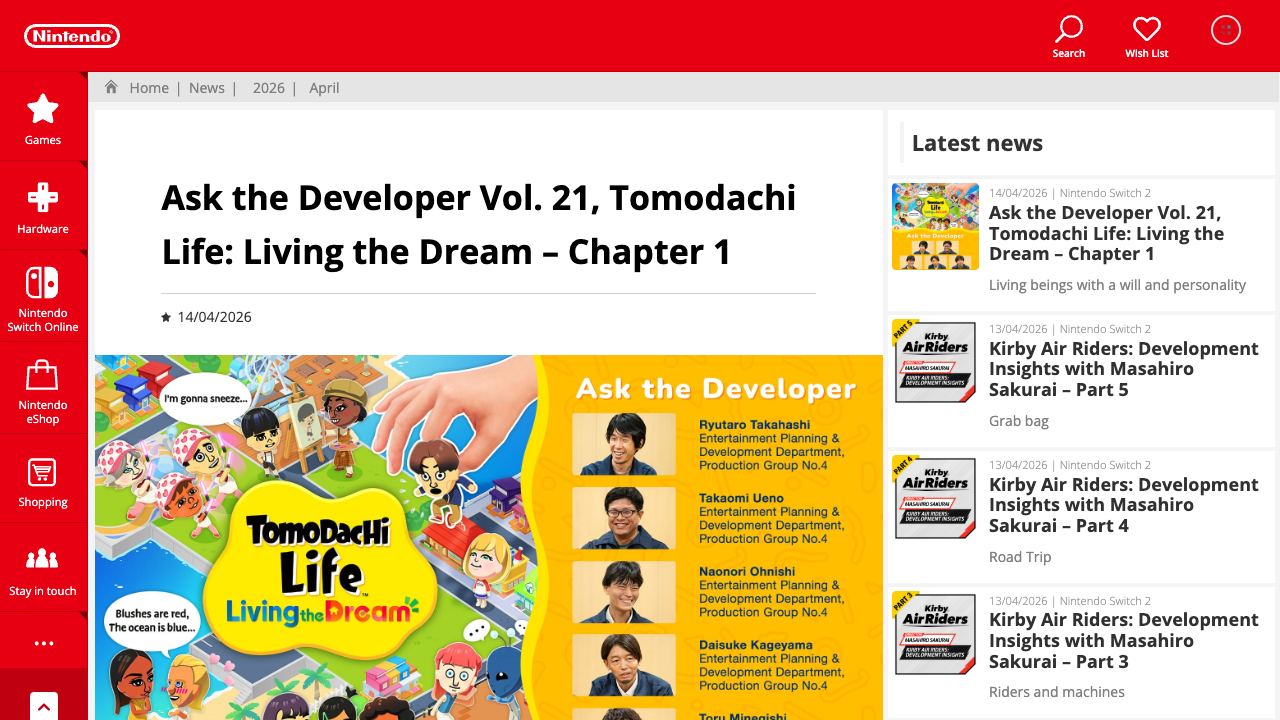
Nintendo’s Tomodachi developer interview framed the game as a long-brewing return, not a quick revival
Nintendo’s Ask the Developer interview for Tomodachi Life: Living the Dream arrived two days before launch and focused on how much of the new game came from ideas the team had been carrying for years. That matters because it positions the project as intentional design work, not just a nostalgia cash-in.
Developer-facing interviews like this are useful reading because they expose the product philosophy behind a launch. In this case, Nintendo emphasized personality systems, daily rhythms, and tools for player-made expression, which helps explain why the company gave the game a demo and a slower, more lifestyle-oriented rollout.
Design cues from the interview
- Long gestation: Nintendo framed the sequel as the result of years of accumulated ideas.
- Player expression: Customization and social simulation are central, not side features.
- Launch tone: The marketing stayed aligned with the game’s slower life-sim identity.
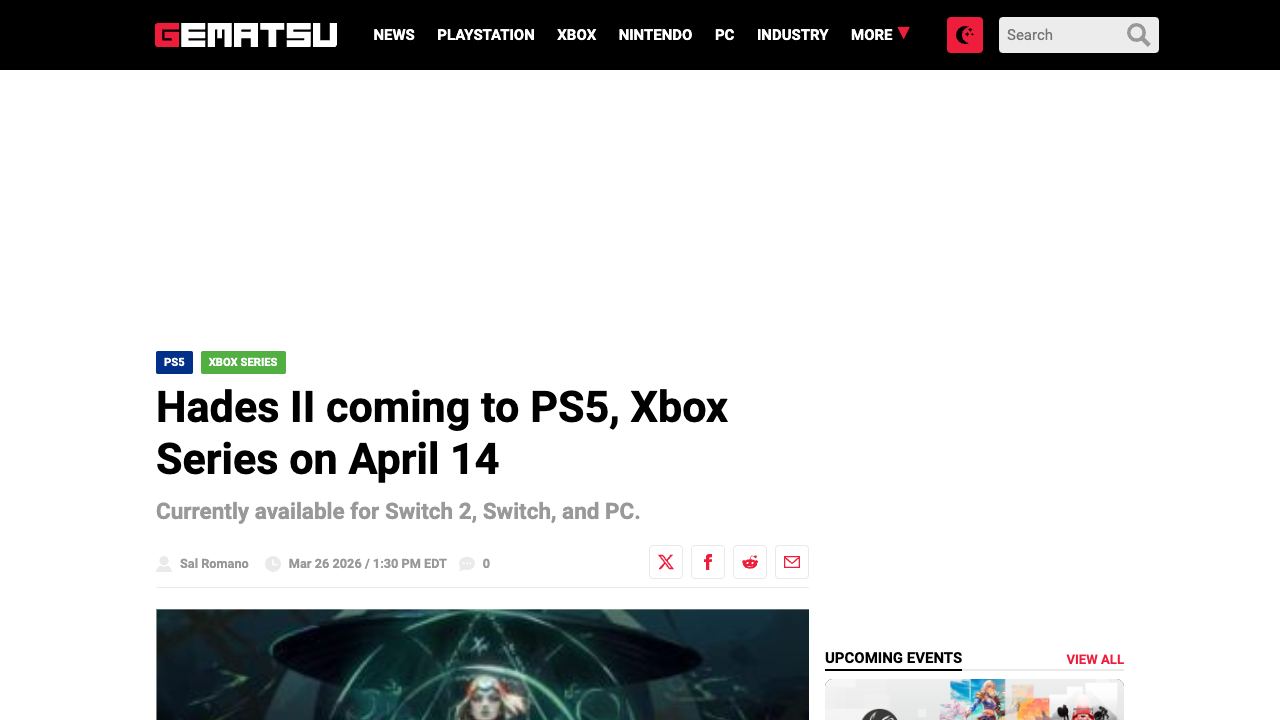
Hades II’s console arrival gave the week a marquee indie anchor
Supergiant’s Hades II reached PlayStation 5 and Xbox Series on April 14, extending one of the strongest indie sequels in the market to a much wider console audience. It also joined Game Pass, which multiplied its visibility beyond the usual premium purchase funnel.
When a release like this lands, it tends to reset expectations for everyone else in the indie lane. Craft, polish, brand goodwill, and platform support all stack together, which is great for players but raises the bar for neighboring launches competing in the same week.
Why the launch hit hard
- Brand strength: Hades II arrived with established trust and high player awareness.
- Subscription lift: Game Pass placement widened exposure immediately.
- Competitive effect: Nearby indie launches had to share oxygen with a prestige sequel.
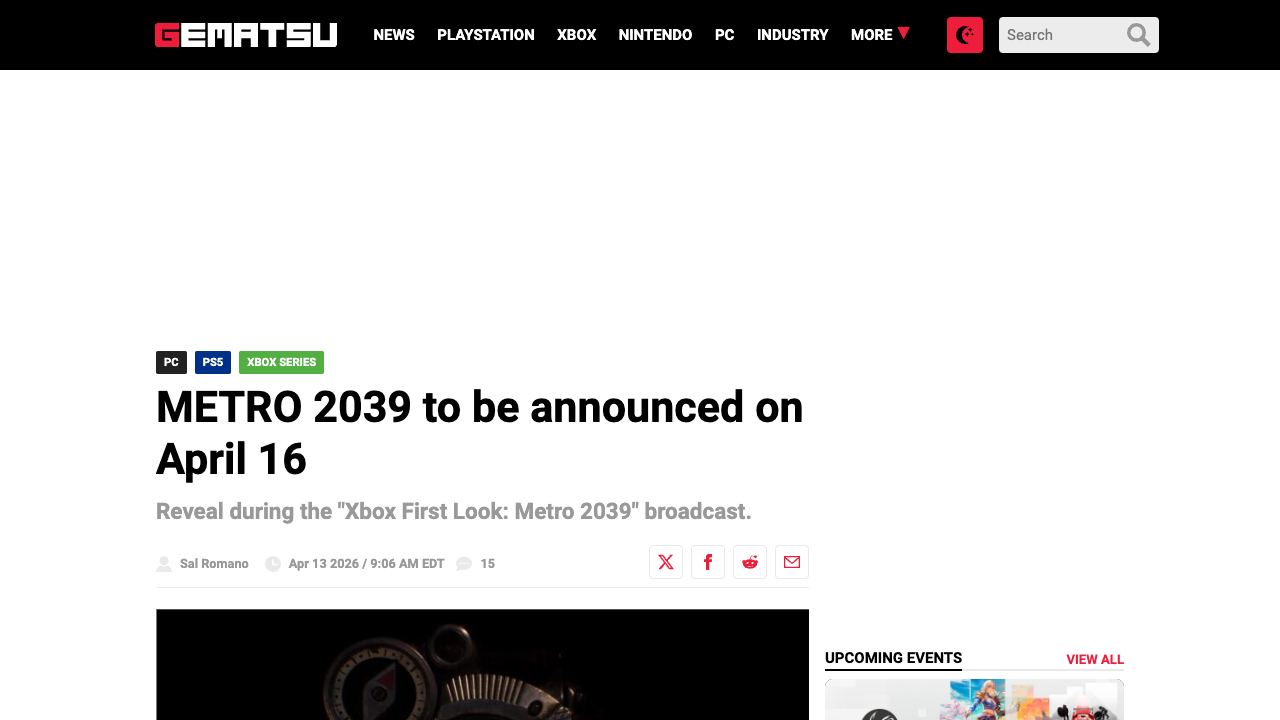
Metro 2039’s Xbox First Look became a late-week attention magnet
Deep Silver and 4A Games set April 16 for an Xbox First Look reveal of Metro 2039, instantly giving the middle of the month a new anchor point. Even before the full presentation, the announcement alone was enough to redirect attention toward one of the bigger single-player shooter brands still carrying long-term goodwill.
For everyone else shipping this week, that matters. Platform-backed reveals can quickly reshape the news cycle, and even teams with unrelated genres need to be aware of when a heavyweight franchise is about to dominate coverage. Launch timing is not just about who releases on the same day, but who owns the conversation.
Why this reveal mattered
- News-cycle gravity: A known franchise can absorb a disproportionate share of attention.
- Platform boost: The Xbox-backed reveal framing amplified the announcement.
- Timing pressure: Mid-scope launches around the same week face a tougher media environment.