Daily Brief
April 13 sharpened the industry’s attention problem. A giant indie showcase promised more volume, Metro 2039 scheduled a high-profile reveal, and another wave of launches kept squeezing smaller teams into an even tighter spotlight race.
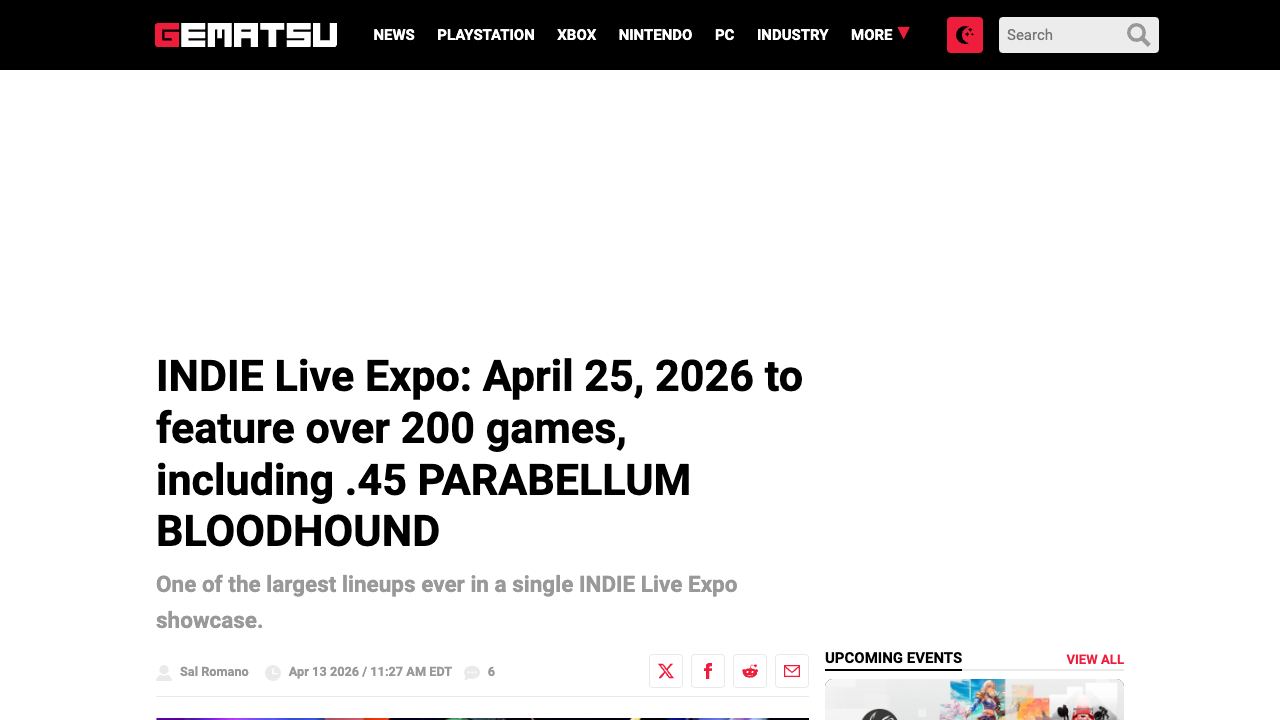
INDIE Live Expo lined up more than 200 games and reinforced how showcase volume is scaling
The April 13 announcement for INDIE Live Expo’s next show promised updates on more than 200 games, with 1,100 submissions feeding into the event pipeline. That is a huge number, and it says a lot about how important showcase circuits remain for indie visibility even as platform storefronts get more crowded.
The opportunity is obvious: these events still generate discovery and media coverage. The risk is just as clear: when every showcase gets bigger, attention per game gets thinner. Teams need sharper hooks, stronger follow-up materials, and realistic expectations about what a showcase slot can and cannot do on its own.
What to watch
- Scale: More than 200 featured games means opportunity and dilution at the same time.
- Submission pressure: Competition for showcase slots is still climbing.
- Post-show follow-up: Games need trailers, demos, and landing pages ready before attention fades.
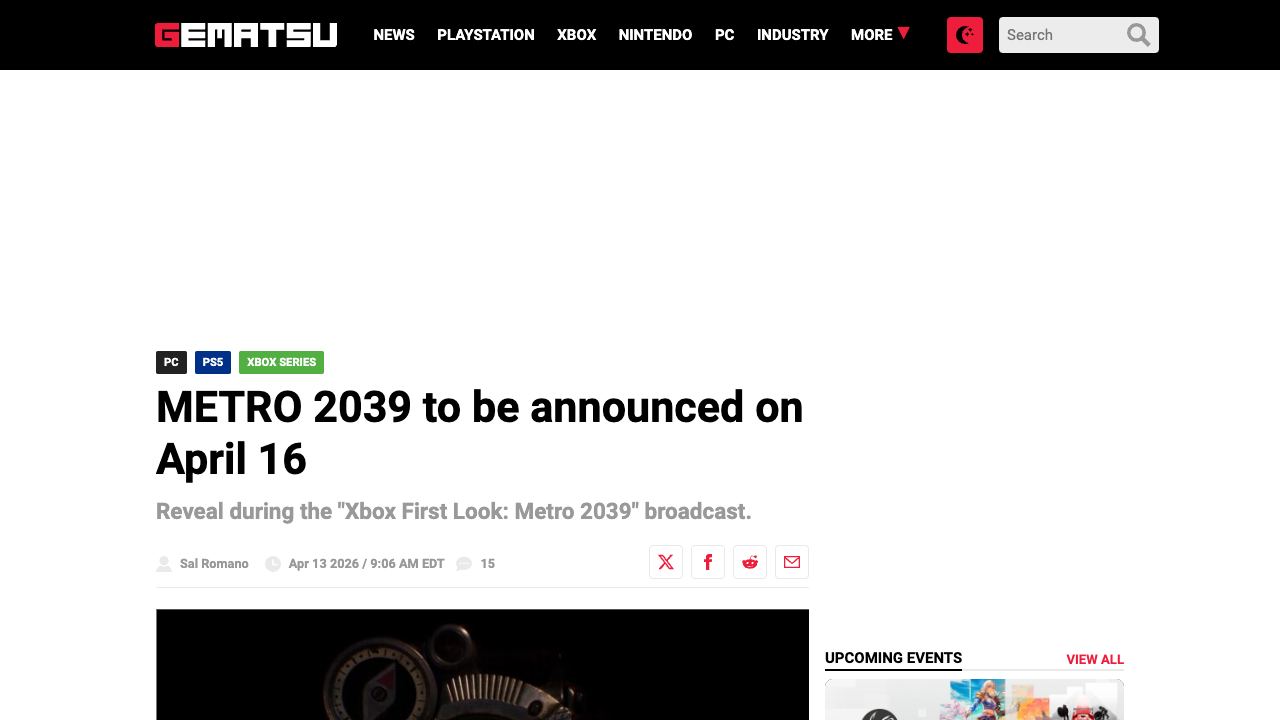
Metro 2039’s Xbox First Look became a late-week attention magnet
Deep Silver and 4A Games set April 16 for an Xbox First Look reveal of Metro 2039, instantly giving the middle of the month a new anchor point. Even before the full presentation, the announcement alone was enough to redirect attention toward one of the bigger single-player shooter brands still carrying long-term goodwill.
For everyone else shipping this week, that matters. Platform-backed reveals can quickly reshape the news cycle, and even teams with unrelated genres need to be aware of when a heavyweight franchise is about to dominate coverage. Launch timing is not just about who releases on the same day, but who owns the conversation.
Why this reveal mattered
- News-cycle gravity: A known franchise can absorb a disproportionate share of attention.
- Platform boost: The Xbox-backed reveal framing amplified the announcement.
- Timing pressure: Mid-scope launches around the same week face a tougher media environment.
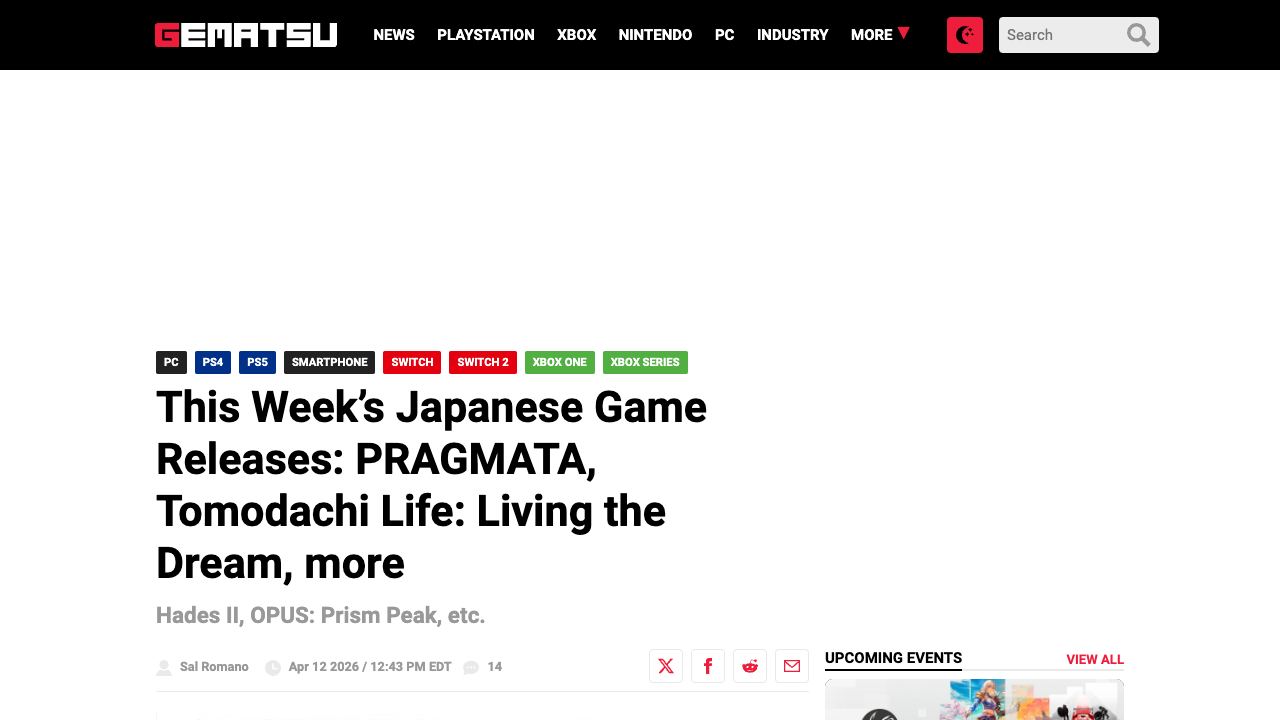
Gematsu’s weekly release roundup put Pragmata, Hades II, Tomodachi Life, and more in one place
Gematsu’s April 12 weekly release roundup did the useful work of compressing a noisy launch window into one clear schedule. Pragmata, Tomodachi Life: Living the Dream, Hades II, MOUSE: P.I. for Hire, OPUS: Prism Peak, and other releases made the week feel much busier than any single platform feed suggested on its own.
These aggregated calendars matter because platform-specific blogs naturally emphasize their own ecosystems. Roundups that cross PlayStation, Xbox, Switch, PC, and regional release timing give developers and media a much clearer read on how crowded a mid-April launch really is.
What the roundup clarified
- Cross-platform picture: The week looked crowded once Switch, PlayStation, Xbox, and PC launches were combined.
- Indie density: Several mid-scope and indie projects shared the window with bigger names.
- Planning utility: A single weekly calendar saves teams from reading four separate platform feeds.
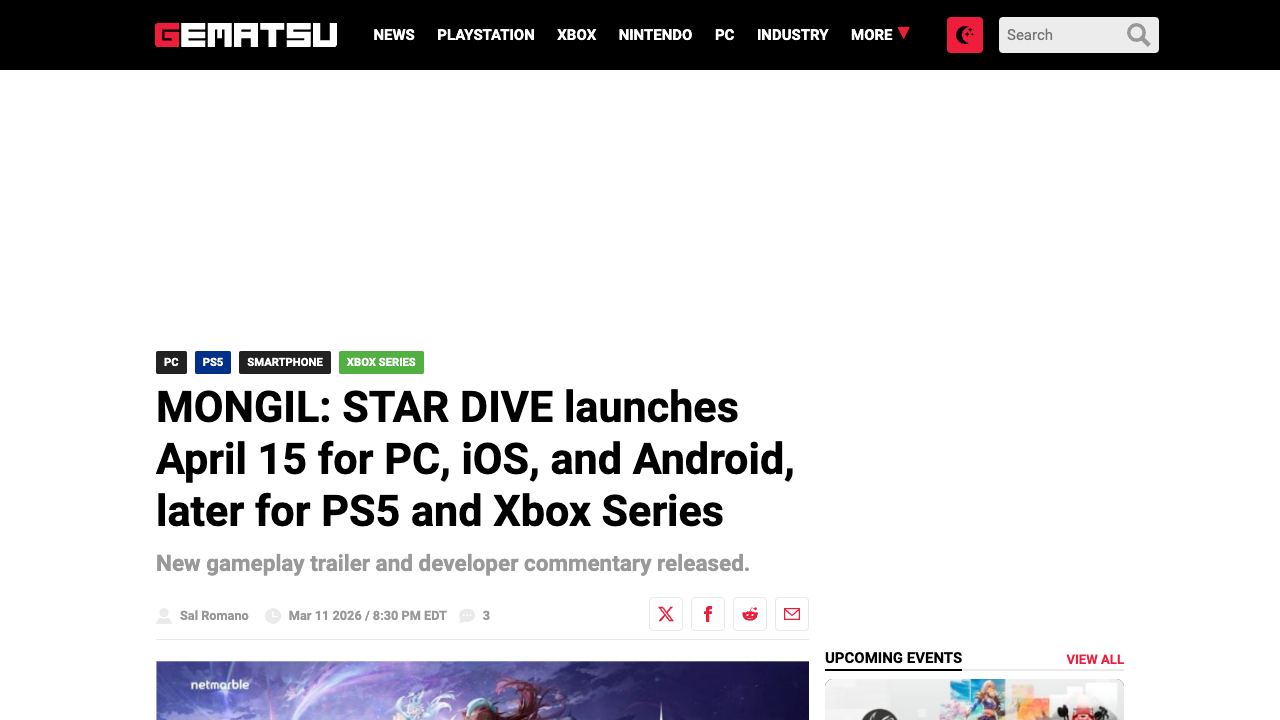
MONGIL: STAR DIVE gave the mid-month window a bright, mobile-first action RPG release
Netmarble’s MONGIL: STAR DIVE hit PC, iOS, and Android on April 15, adding a more colorful free-to-play action RPG to a week otherwise dominated by console-focused headlines. The title also kept its later PS5 and Xbox Series plans in play, making it relevant beyond the mobile crowd.
This kind of staggered rollout is increasingly common. Teams can establish the live-service core on mobile and PC first, gather retention data, then bring the cleaned-up version to console once the content cadence is proven.
Release strategy notes
- Staggered launch: Mobile and PC went first while console versions stayed on deck.
- Genre fit: The capture-and-action loop is well suited to an ongoing service model.
- Market lesson: Teams are more willing to sequence platforms instead of forcing a same-day rollout.