Today's Summary
Gears of War: E-Day reaches its full release with a newly published enthusiastic Destructoid review. Star Wars: Galactic Racer offers its single-player content to Prime subscribers through Amazon Luna, while Activision details Modern Warfare 4’s DMZ ahead of October 23. ARC Raiders and The Finals secure screen adaptations, and Ninja Theory employees report job losses following unsuccessful agreements to preserve the studio. Sega says creative decisions will remain with people despite using AI elsewhere in its business. Google Play commissions face UK trial hearings today, Softgames invites acquisitions of proven instant and mobile games, and Frostpunk gets an October 19 date for the original Switch family. Nintendo’s free Hello, Peach! and Hello, Luigi! apps offer parent-and-child play, while Railroad Empire’s producer explains the commercial benefits of designing around a specific audience.
Editor's Viewpoint
Analysis / opinion: Today’s launches show how much a familiar name can do for a game. Gears returns to its origin story, Star Wars reaches an existing subscription audience, and Embark’s shooters gain another route to recognition through screen adaptations. Each offers a different way to reduce the effort required to attract an audience. None, by itself, tells us whether players will stay. A positive review describes one critic’s experience; a distribution agreement describes access; an adaptation announcement describes intent. Keeping those distinctions clear makes the news more useful.
The smaller stories offer a practical counterweight. Railroad Empire’s producer describes growth built around a particular historical fantasy, while Softgames is looking for games that already retain players. Those are reminders that attention has to become a repeatable reason to return. Ninja Theory’s reported redundancies also make the human cost visible alongside the release calendar. Sega’s stated AI boundary belongs in that conversation: faster production is a tool, while creative responsibility and a sustainable team remain management choices. That is our editorial reading of today’s sources, rather than a forecast of any company’s results.
Gears of War: E-Day reaches full release with a strong new review
Gears of War: E-Day reaches its full global release on October 6, following early access. Xbox’s launch announcement confirms Xbox Series X|S, PC and cloud availability, with Game Pass access. A review published by Destructoid on October 5 gives the launch a positive backdrop: Scott Duwe praises the campaign and describes a return to the series’ strengths. These are the reviewer’s judgments; this report is sourced coverage rather than a hands-on assessment.
The campaign moves the timeline fourteen years before the original Gears, to the Locust invasion of Sera. Duwe highlights how the familiar enemy regains a sense of threat through its introduction and the characters’ struggle against it. For returning players, that framing provides a more specific reason to look at the game than visual improvements alone. For newcomers, the prequel setting offers an origin story. Launch-day service stability and the wider player response remain separate questions that this review cannot settle.
Key Points
- Full release — October 6.
- Availability — Xbox, PC and cloud.
- Setting — Fourteen years before Gears 1.
- Review — Destructoid praises the campaign.
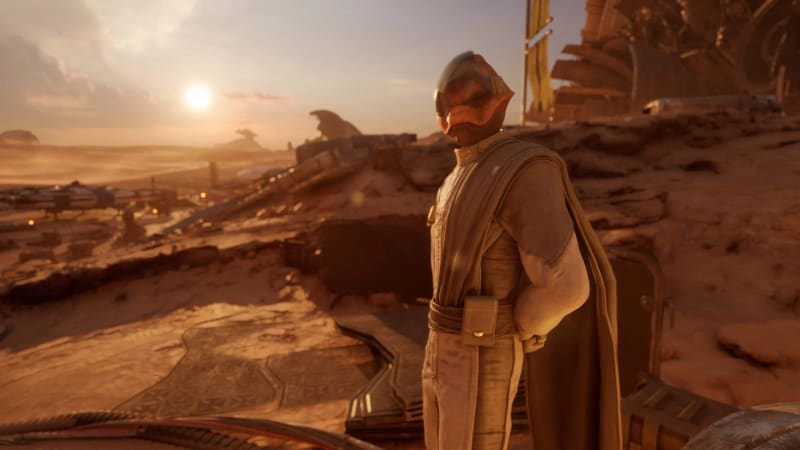
Star Wars: Galactic Racer brings its single-player content to Prime members on Luna
Amazon Prime members can stream the single-player campaign of Star Wars: Galactic Racer through Luna from launch day, according to VGC’s October 6 report. Arcade and Scenario modes are included too. Amazon’s gaming head Jeff Gattis describes this as a way to put Luna users into a new release immediately, without a console purchase or a lengthy download. The offer covers the major single-player modes identified in the announcement, rather than a promise that every mode is included.
The practical distinction is subscription access. There is no additional game purchase for eligible Prime members, but the experience still depends on Luna availability, compatible devices and a suitable connection. Streaming also differs from the separate PC games Amazon lets subscribers claim and keep through storefront codes. For an existing Prime member, this is a convenient route to try the racer; someone considering a subscription should check their region and the offer’s current terms before treating it as a permanent entitlement.
Key Points
- Included — Campaign, Arcade and Scenario.
- Requirement — An eligible Prime subscription.
- Delivery — Cloud streaming via Luna.
- Scope — Single-player access is confirmed.
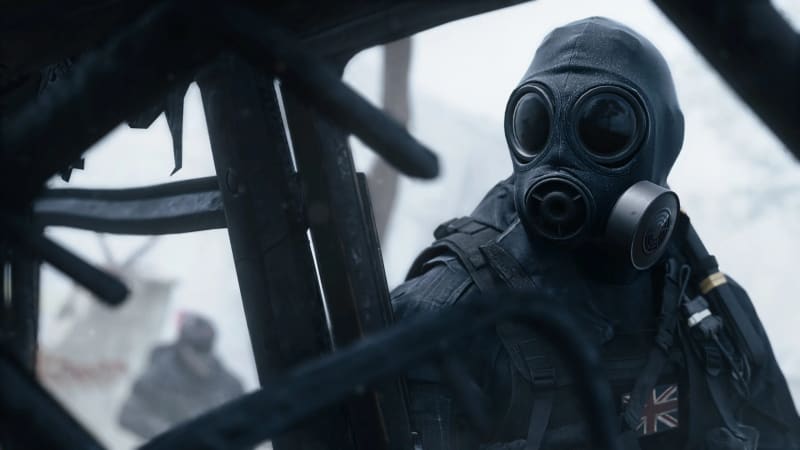
Modern Warfare 4 details DMZ’s evolving base and extraction progression
Activision has outlined DMZ for Call of Duty: Modern Warfare 4 ahead of the game’s October 23 release. The official PlayStation Blog guide centers on a Forward Operating Base that grows as players complete operations in Hajin. Initial stations cover operators, missions, loadouts, the firing range and deployment; later additions include crafting, a gunsmith, a vendor and boards for tracking bosses or dangerous opponents. DMZ has its own progression track spanning levels one to seventy.
Players can choose Story Missions, Dynamic Operations or Free Roam when deploying. Loot brought home feeds preparation for the next trip, including crafting ingredients and weapon manuals, while areas have different threat levels and react to noise. Those details describe an extraction loop with a persistent home base, rather than simply another match playlist. The guide is a publisher preview, so its promises should not be confused with independent verdicts on balance or long-term depth. Both depend on how the systems behave once players reach launch.
Key Points
- Launch — October 23.
- Progression — DMZ levels 1–70.
- Base — Stations unlock over time.
- Deployment — Three options in Hajin.
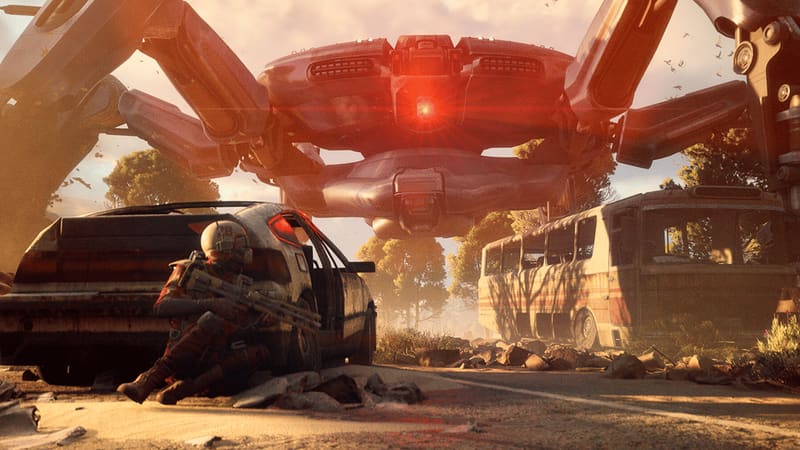
ARC Raiders and The Finals secure film and television adaptations
Chernin Entertainment has announced adaptations of Embark Studios’ ARC Raiders and The Finals, Game Developer reports. The October 5 news puts two multiplayer shooters into the film-and-television development pipeline. The Finals is a free-to-play competitive shooter, while ARC Raiders is an extraction game. Embark previously announced fourteen million ARC Raiders copies sold worldwide, giving the project a substantial existing audience; that milestone is background to the new adaptation news, not a fresh sales update.
The immediate development is an agreement to make screen versions, rather than a finished production ready to watch. This coverage does not establish release dates, casting or a final format for each property. Our reading is that multiplayer worlds can now attract adaptation interest even when their appeal begins with repeatable matches rather than a linear campaign. Translating that appeal requires its own creative work: recognizable imagery and an established audience do not automatically supply compelling characters or a story. Players should watch for concrete production announcements before assuming a timetable.
Key Points
- Partner — Chernin Entertainment.
- Properties — ARC Raiders and The Finals.
- Status — Adaptations announced.
- Timing — No release date established here.
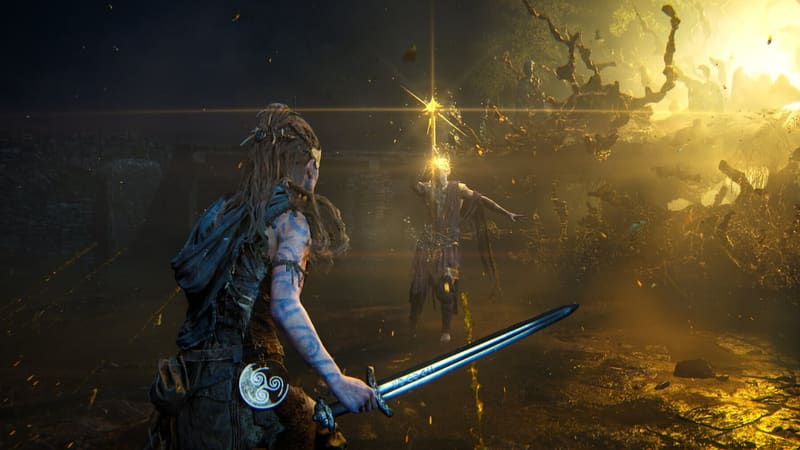
Ninja Theory employees report redundancies after attempts to preserve the studio fail
Employees at Hellblade developer Ninja Theory have posted that their roles are ending or at risk of redundancy, according to October 5 reports from Game Developer and VGC. The new development follows Microsoft’s earlier statement that two agreements for the studio had fallen through and that it would consult on a proposed closure while exploring other options. Public posts span several disciplines; the reports do not establish a complete count of affected employees.
This is a concrete follow-up to the studio’s previously reported uncertain future, rather than another retelling of the wider Xbox restructuring. VGC identifies developers who describe lost work and unfinished projects, while Game Developer says Xbox had not replied to its request for confirmation at publication. The recently announced Senua project’s fate remains uncertain in the coverage checked. It would be premature to turn that uncertainty into a confirmed cancellation. For readers following Xbox’s portfolio, the distinction matters: a proposed closure, individual redundancy notices and a formal decision on a game are different developments.
Key Points
- Evidence — Employee posts reported by outlets.
- Scope — No complete headcount confirmed.
- Background — Two agreements fell through.
- Senua — Project status remains uncertain.
Sega says it will keep creative game work in human hands
Sega executive Tsuyoshi Saito says the company is cautious about AI in game development and is not handing creative aspects of games to it, according to VGC’s October 6 account of a Nikkei interview. Saito distinguishes that position from AI use in publishing, corporate work and business ideas. The distinction describes the company’s stated approach, rather than an independently audited inventory of every tool used by every development team.
The report places the comments alongside Sega’s existing generative-AI committee, which works on tools, guidance and compliance. Earlier disclosures about research and productivity uses are context rather than newly announced features. For developers and players following agent-assisted game creation, the useful point is where responsibility is assigned. A company can pursue operational efficiency while saying art and creative decisions should remain human-led. How that boundary is applied to individual workflows will need specific disclosures. Today’s interview establishes an executive position; it does not prove that all AI use across Sega has stopped or that every future production will follow an identical process.
Key Points
- Position — Creative work stays with people.
- Other uses — Publishing and corporate efficiency.
- Attribution — Saito’s interview, reported by VGC.
- Caveat — Policy statement, not an audit.

UK hearings begin over Google Play commissions and alleged consumer overcharging
UK trial hearings concerning Google Play commissions are listed for October 6 at the Competition Appeal Tribunal. PocketGamer.biz reports that Liz Coll’s collective consumer claim seeks more than £1 billion and represents around twenty million UK consumers and businesses. The claim alleges that commissions of up to thirty percent were excessive and passed through to buyers. Those are allegations to be examined in proceedings, rather than findings that Google has overcharged anyone.
The reported purchase window runs from October 2015 to July 2026 and includes paid apps, digital extras and subscriptions. That makes the dispute relevant to games with in-app purchases as well as other software. The tribunal’s diary lists the Coll and Rodger matters together and gives an eight-week time estimate; the news report describes seven weeks through November 20. We rely on the tribunal for the hearing schedule and avoid presenting a final end date as settled. Today brings courtroom scrutiny, with any outcome and consequences for store pricing still ahead.
Key Points
- Hearings — Listed October 6, 10:30 a.m.
- Claim — More than £1bn sought.
- Allegation — Excessive commissions passed on.
- Status — No verdict reported.
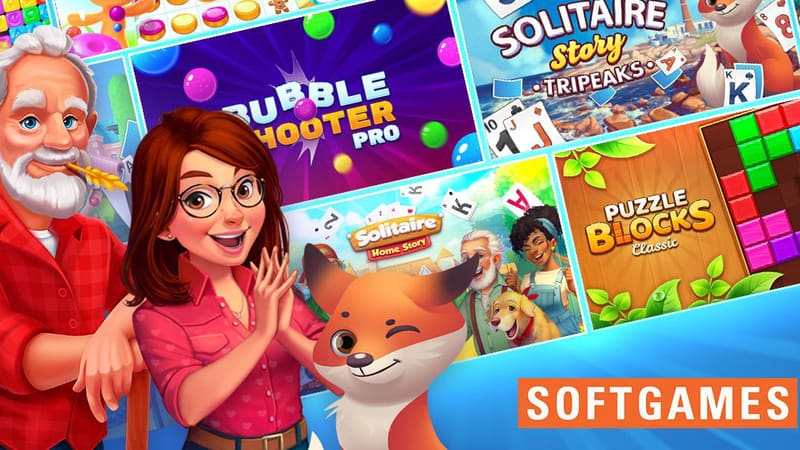
Softgames seeks proven instant and mobile titles, catalogues and studios
Softgames has outlined an acquisition strategy for instant and mobile casual games, according to an October 6 report from PocketGamer.biz. Its preferred targets have established audiences, healthy retention and monetisation, and technology that can be integrated quickly. The company is open to individual games, back catalogues, intellectual property or entire businesses, with a deal shaped around each seller. The announcement describes what it wants to buy; it does not identify a newly completed acquisition.
For small web-game teams, the interesting part is the operational offer behind the purchase. Softgames says acquired titles can benefit from its platform relationships, live operations, data and infrastructure. CEO Alexander Krug says each game must already stand on its own, emphasizing existing performance rather than growth for its own sake. Our reading is that a functioning niche game can be attractive even without a blockbuster profile. Whether selling improves a particular title’s prospects depends on the actual agreement, the incoming operator and the audience’s response. None of those outcomes is guaranteed by an acquisition pitch.
Key Points
- Targets — Games, catalogues, IP or studios.
- Criteria — Proven audience and retention.
- Support — Platforms, data and live operations.
- Status — Strategy, not a new deal.
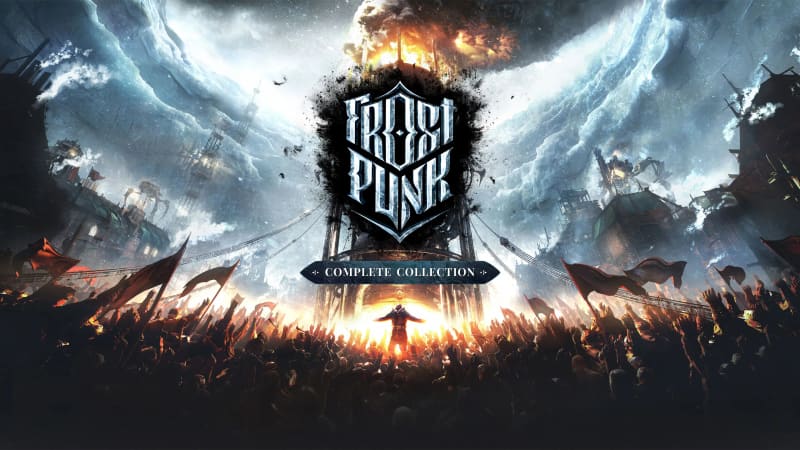
Frostpunk gets an October 19 date for the original Switch family
Frostpunk is heading to the original Nintendo Switch family on October 19, according to a release-date trailer covered by My Nintendo News on October 5. The announcement gives owners of the earlier hardware a fresh strategy option without requiring a Switch 2 purchase. The article’s author also clarifies that the reference to the original Switch includes that family’s variants, rather than only the first standard model. This story concerns Frostpunk, not a newly dated version of its sequel.
The confirmed news is the platform and date. Existing reviews on other machines provide context for the game’s reputation, but they cannot establish how this port performs. Our editorial advice is to look for Switch-specific footage and reviews if technical performance or control comfort will decide a purchase. A strategy game’s handheld appeal depends on readable information and manageable input as much as its broader critical history. Those are sensible evaluation questions, rather than reported faults in this version. The announcement expands the release calendar; it does not answer them in advance.
Key Points
- Date — October 19.
- Hardware — Original Switch family.
- Game — Frostpunk, not Frostpunk 2.
- Reviews — Other platforms cannot judge this port.
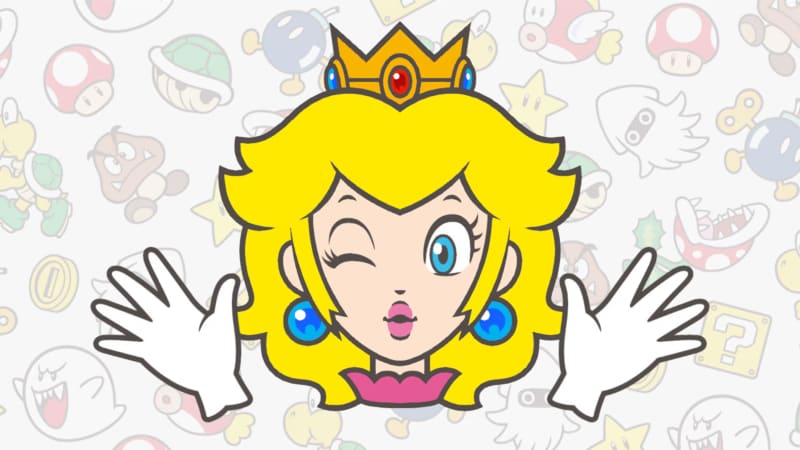
Free Hello, Peach! and Hello, Luigi! apps expand Nintendo’s My Mario range
Nintendo has added Hello, Peach! and Hello, Luigi! to its My Mario range of free apps for parents and young children, My Nintendo News reports on October 6. Both are available through the Switch eShop and work on Switch 2. The official US Peach listing dates its release to October 5. These are small, playful character interactions: children can stretch faces, poke characters and play peekaboo using the touch screen with a parent.
The official Peach description adds two practical details: it works offline after download and includes a built-in break feature that makes the character fall asleep after a period of play. Parents can adjust that feature in settings. The new variants should not be assumed to have mobile releases simply because earlier My Mario apps do; the coverage checked lists Peach and Luigi on Switch. For families, the modest scope is the point. These apps offer a shared tactile activity rather than the demands of a conventional Mario platformer, and the free download keeps the initial decision simple.
Key Points
- Price — Free apps.
- Platforms — Switch and Switch 2.
- Play — Touch interactions with a parent.
- Peach — Offline play and built-in breaks.
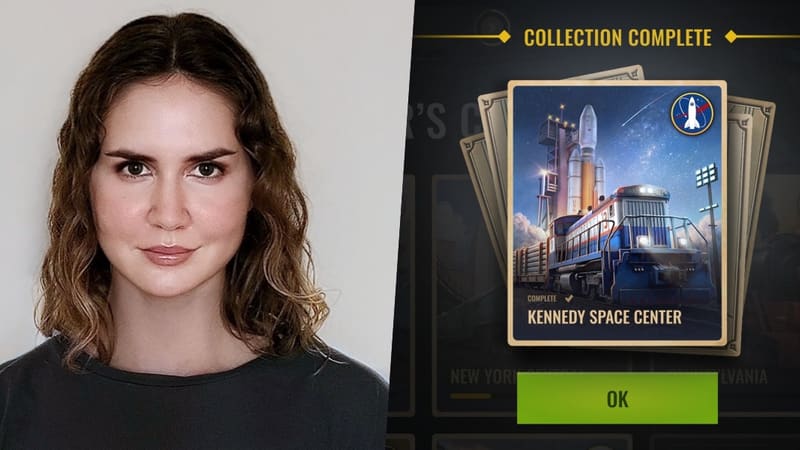
Railroad Empire’s producer explains the value of building for a specific audience
Azur Games producer Tatiana Vinogradova has shared how Railroad Empire’s historically focused audience shaped its live game, in an October 6 PocketGamer.biz guest article. She reports that corporation-war events increased daily active users by around ten percent and event revenue by ten to eighteen percent. These are figures supplied by the producer, not independently verified industry benchmarks. The feature is a newly published account of development decisions, rather than an announcement that all those changes shipped today.
The design translates competition among railroad companies into routes, cities and territorial control. Players collectively deliver resources, claim connections and compete with rival corporations, grounding a familiar multiplayer structure in the setting that attracted the audience. Vinogradova also links new maps and attention to realism with retention and revenue improvements. Our takeaway is useful for smaller developers: a borrowed mechanic becomes more convincing when it expresses the player’s existing fantasy. The reported results apply to this game and its audience. They should not be treated as a forecast for another project that adds a superficially similar event.
Key Points
- Attribution — Producer’s own account.
- DAU — Around 10% event uplift reported.
- Revenue — 10–18% event uplift reported.
- Design — Competition grounded in railroad history.