Today's Summary
August 19's game conversation is about labor under pressure: Roblox faces a U.S. Senate child-safety investigation, a Pokemon fan remake exposes two years of 12-hour solo workdays, half of surveyed developers cite job insecurity even as AI tools grow, Phantom Blade Zero shows its ink-wash world, Arco finally breaks even, and Mattel opens a games studio. After D23's franchise spectacle, the industry snaps back to who pays for the work, who is protected on the platform, and how long a small team must grind before a game can simply break even.
Editor's Viewpoint
The weekend belonged to Kingdom Hearts calendars and Disney pipelines. Today belongs to the people who make and host games. A solo Pokemon remaker says they worked 12 hours a day for two years and now need a break. A survey says half of developers feel less secure even as AI tools raise productivity. Roblox, still one of the biggest creation platforms on Earth, is under Senate scrutiny after reporting tens of thousands of suspected child-abuse cases. These stories do not cancel each other. They describe the same industry from three altitudes: the unpaid grind, the salaried fear, and the platform that scales both.
That is why Arco breaking even at 100,000 sales and WINGS opening new funding paths matter more than they look. Mid-size and indie teams are not asking for miracles. They are asking for survivable math. Meanwhile Phantom Blade Zero is doing the right post-showcase thing — showing a connected world instead of another teaser — and Mattel is walking into games with a brand portfolio that already owns childhood. The lesson for August is blunt. Spectacle can date a franchise. Only durable work conditions, safer platforms, and honest unit economics keep the next game shipping.

Roblox faces a U.S. Senate child-safety investigation
U.S. senators are investigating Roblox after the company reported 65,381 instances of suspected child abuse in 2025. The public line from Congress is blunt: children on the platform are being hurt, and lawmakers say they will not look the other way. For a company that markets itself as a creation and play network for young audiences, the report turns safety from a trust-and-safety slide into a political event.
Creators should watch this carefully. Platform growth stories usually celebrate tools, reach, and monetization. This one puts moderation capacity, reporting quality, and age-appropriate design under the same spotlight. Any policy response that follows — tighter identity checks, stronger defaults, slower social features — will land on developers who build inside Roblox as quickly as it lands on the company itself.
Key Points
- Senate pressure — Roblox is now a formal congressional target on child safety.
- Hard number — 65,381 suspected abuse reports in 2025 make the issue measurable.
- Brand risk — A youth-facing creation platform cannot treat this as PR weather.
- Creator impact — Future safety rules will reshape how experiences can be designed and shared.
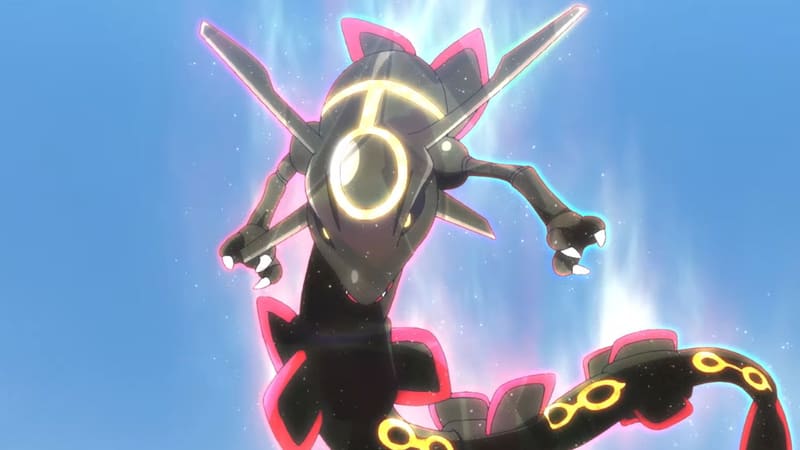
A Pokemon fan remake exposes the true cost of solo ambition
Pokemon Gamma Emerald's solo developer says they spent about two years working 12-hour days to build the project from scratch, including 384,000 frames of animation. The early-access remake is free, adds day/night cycles and follower Pokemon, and is emphatically not a ROM hack. After launch, the creator said they need a break and will not look at bugs for a while.
Social media is treating the post as both inspiration and warning. The craft is impressive. The working pattern is unsustainable. Fan projects often look like pure passion from the outside. From the inside, they can become unpaid studio schedules with no publisher, no QA team, and no recovery plan. The lesson for aspiring remakers is not "work harder." It is "scope for a life you can keep living after the page goes live."
Key Points
- Two-year grind — The remake was built through daily 12-hour stretches.
- Original claim — The developer insists the assets and engine were made from scratch.
- Burnout signal — Post-launch, bug work is paused so the creator can recover.
- Community takeaway — Ambition without staffing still has a human bill.
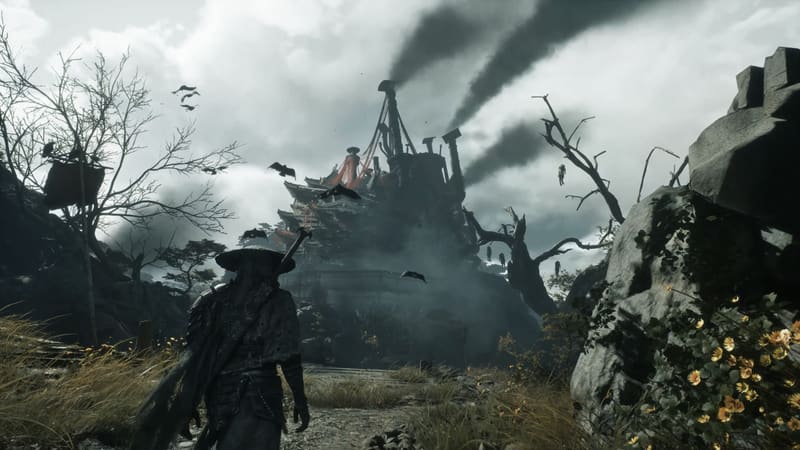
Phantom Blade Zero shows an interconnected world painted in ink wash
After Sunday's State of Play focus, Phantom Blade Zero is still earning attention for a more useful reveal than another boss clip: an interconnected game world guided by eight hand-painted Chinese ink-wash maps. That detail matters because it reframes the project from stylish combat demo to navigable place. Exploration is no longer implied. It is being designed as a visual language.
This is the right post-showcase move. A 20-minute deep dive can create desire; a map language creates memory. Action games often lose the week after a showcase when the conversation collapses into damage numbers and release windows. Phantom Blade Zero is keeping people talking about how the world is read. That is a stronger pre-launch signal than another trailer cut.
Key Points
- World first — The latest coverage centers connected exploration, not only combat.
- Ink-wash maps — Eight painted maps are being used as navigation and identity.
- Showcase hangover — The game is converting a State of Play spike into concrete design talk.
- Pre-launch lesson — A readable world sells longer than a highlight reel.

Half of developers feel less secure even as AI tools raise output
A new industry report circulating today says 50% of game developers cite job insecurity even while AI productivity gains continue. That pairing is the real story. Tools can make teams faster without making careers safer. In a year of layoffs, no-AI contract clauses, and aggressive platform automation, developers are reading every efficiency pitch as a staffing forecast.
Studios that want AI adoption without a morale collapse need a clearer bargain. What work is being automated? What roles become more valuable because of that automation? Who owns the resulting output? Without answers, "productivity" becomes a euphemism for fewer people doing more. The survey is useful precisely because it separates capability from confidence.
Key Points
- 50% insecurity — Job fear is rising alongside AI tool adoption.
- Productivity split — Faster work is not automatically safer work.
- Trust problem — Efficiency messaging now sounds like headcount messaging.
- Leadership duty — Teams need a clear bargain for what AI changes and what it does not.
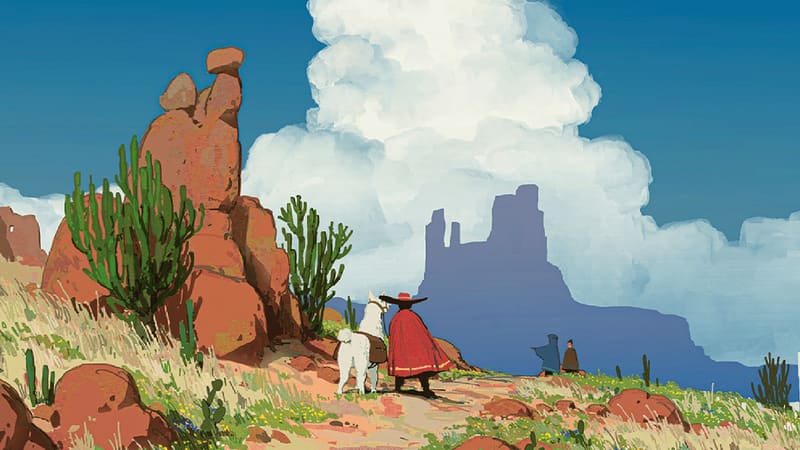
Arco breaks even after topping 100,000 sales
Arco has topped 100,000 sales in two years and finally broken even. One team member called the milestone incredible, which tells you how hard the bar still is. In an industry flooded with "overnight" hits and AI demos, a stylish indie taking two years to recover cost is the more honest success story.
This is the kind of number small teams should tape above their desks. Break-even is not failure. It is the first moment a project stops being a bet and becomes a foundation. If more studios reported timelines to profitability as openly as they report wishlists, the industry would have a better shared sense of what "doing fine" actually looks like.
Key Points
- 100K sales — Arco crossed a durable indie threshold.
- Two-year path — Break-even arrived long after launch-week noise.
- Honest success — Recovery, not virality, is the useful metric.
- Planning value — Teams need runway for the quiet years after release.
WINGS opens new funding paths for indie PC projects
WINGS, the indie investor focused on women and gender-marginalized developers, is introducing new funding pathways for PC projects of many sizes. The pitch is practical rather than ceremonial: more routes in, more project shapes supported, and less dependence on a single gatekeeping pitch format.
In a week defined by burnout and insecurity, capital that explicitly widens who gets a second chance matters. Funding is not only about first prototypes. It is about keeping unfinished good ideas alive long enough to become finished good games. Teams that fit the brief should treat this as a calendar item, not a headline to admire and forget.
Key Points
- New pathways — WINGS is expanding how indie PC projects can apply.
- Inclusion focus — The fund remains aimed at women and gender-marginalized creators.
- Practical capital — Multiple project sizes are being invited, not only showcase titles.
- Timing — The announcement lands during a broader labor and runway scare.
Pokemon Pokopia crosses 5 million sales
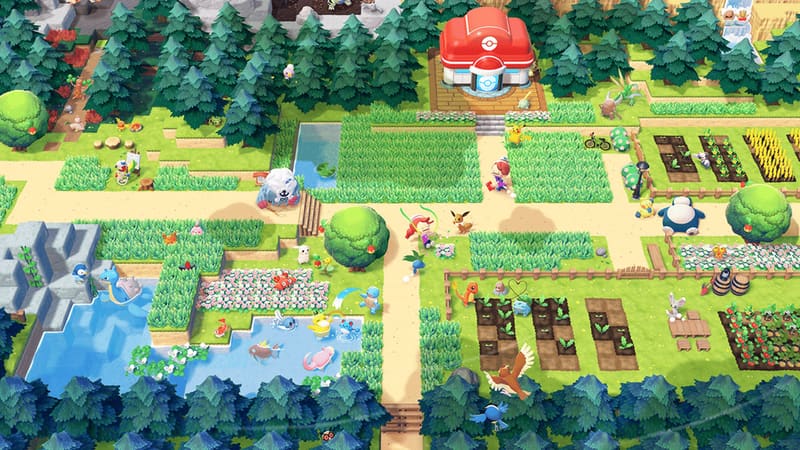
Pokemon Pokopia has topped 5 million sales worldwide, reinforcing how strongly cozy and systems-light Pokemon spin-offs can perform on Switch 2. The milestone arrives while fan creators are burning out on remakes and Nintendo's official side projects keep proving there is mass demand for lower-pressure Pokemon fantasy.
For developers outside the franchise, the useful reading is genre, not envy. Players are still hungry for gentle mastery loops, creature care, and short-session progress. The hard part is matching that fantasy without a billion-dollar mascot. Pokopia shows the market. It does not automatically invent a route for everyone else.
Key Points
- 5M sold — Pokopia is now a clear commercial hit.
- Cozy demand — Lower-pressure Pokemon fantasy keeps converting.
- Platform fit — Switch 2 continues to reward approachable systems games.
- Outside lesson — The genre signal is real; the IP advantage remains huge.
Mattel launches a games studio for Barbie, Hot Wheels, and more
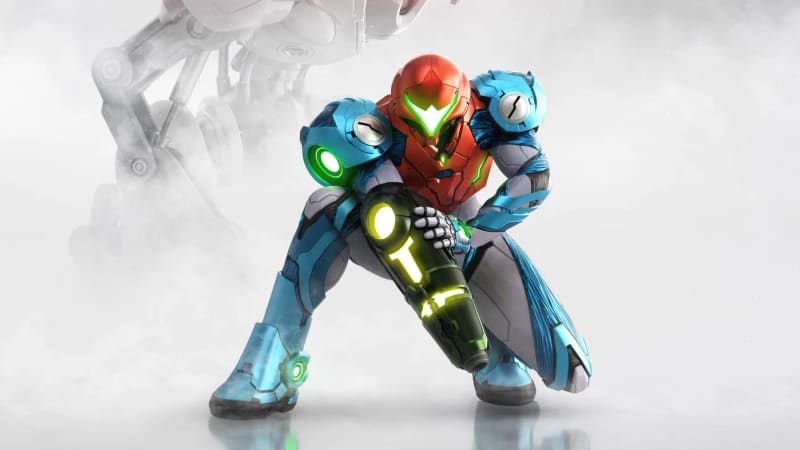
Barbie and Hot Wheels owner Mattel has launched Mattel Game Studios to develop, publish, and operate video games from its brand portfolio. The move fits a broader toy-to-interactive shift: own the IP, own more of the digital relationship, and stop leaving every hit game to outside licensees.
For working developers, this is both opportunity and warning. Brand owners entering production can create jobs and packaging muscle. They can also flood storefronts with safe IP wrappers. The decisive question will be whether Mattel hires teams that can make surprising games, or only games that protect shelf toys. IP is cheap to announce. Taste is expensive to staff.
Key Points
- New studio — Mattel wants to develop and publish its own games.
- Brand leverage — Barbie, Hot Wheels, and adjacent IP are the starting deck.
- Industry pattern — Toy giants keep moving closer to direct interactive ownership.
- Quality test — Hiring taste will matter more than the press release.
Slay the Spire 2 slows patches to chase bigger content
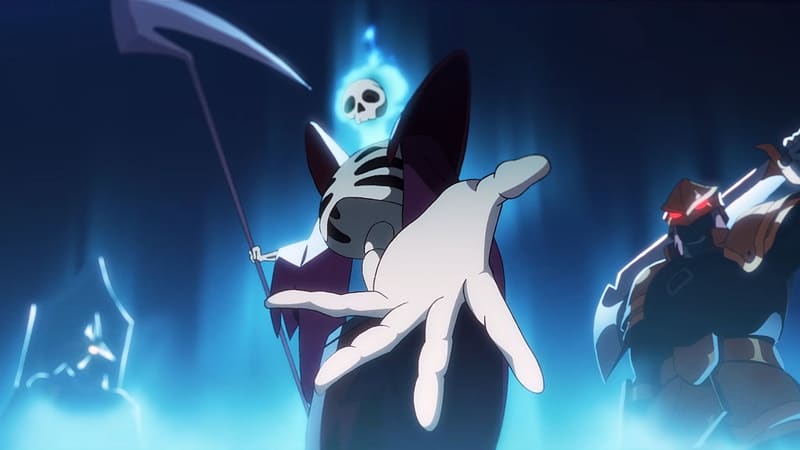
After a heavy balance patch, Slay the Spire 2's developers say updates will slow so the team can focus on bigger, more impactful content such as a new character. The message is a quiet rejection of infinite hotfix culture. Not every live game needs a weekly personality. Some need room to design.
Players will argue about the nerfs. Developers should watch the process. Communicating a slower cadence before silence is a trust move. It tells the audience that the absence of tiny patches is intentional production time, not abandonment. In early access especially, that distinction can save a community.
Key Points
- Cadence shift — Smaller frequent patches give way to larger content work.
- New character — Bigger systems are the stated destination.
- Trust move — The team is explaining the quiet before it happens.
- Live-service lesson — Not every game benefits from constant hotfix theater.
Arc Raiders shifts map events to regional peak hours
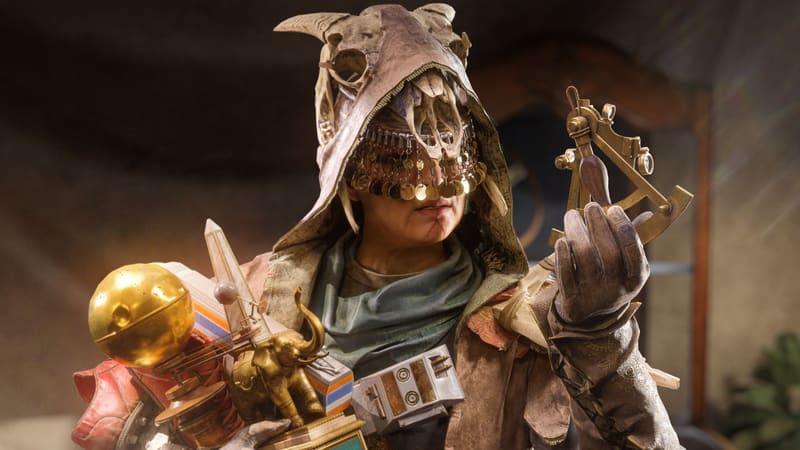
Embark's latest Arc Raiders update introduces regional map-condition scheduling, so events shift to fit local peak hours instead of one global clock. The change is a direct response to players missing limited conditions because the funniest or rarest modifiers landed while they were asleep or at work.
This is live-ops maturity. Global simultaneity sounds fair until it systematically privileges one time zone. Regional offsets are less glamorous than a new gun, but they protect the emotional contract of limited events: if you show up during your evening, the game should still have something special left for you.
Key Points
- Regional schedules — Map conditions now offset by region.
- Peak-hour fit — Events are being aligned to local play habits.
- Fairness fix — Global clocks had locked some players out of limited modes.
- Ops lesson — Access design is part of content design.
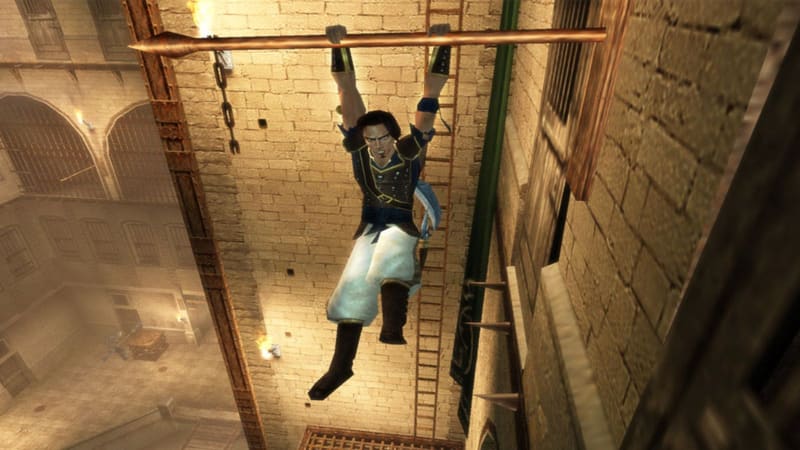
Prince of Persia gets a GOG enhanced edition after the remake died
After Ubisoft canceled its remake, Prince of Persia: The Sands of Time is getting an enhanced version through GOG. The move is less flashy than a ground-up rebuild and more useful than another rumor cycle. Players still want the classic game to run cleanly now. Preservation through enhancement is becoming the pragmatic answer when remakes stall.
There is a quiet industry pattern here. When big remakes collapse under scope or politics, storefronts and rights holders can still salvage value by shipping a dependable modern package. Fans may prefer a faithful enhanced original to an unfinished remake that never arrives. That preference is becoming easier to defend every year.
Key Points
- Remake vacuum — Ubisoft's rebuild is gone; an enhanced classic fills the gap.
- GOG package — The focus is playability and preservation, not reinvention.
- Fan preference — A working classic can outrank a missing remake.
- Business pattern — Enhancement is becoming the fallback when remakes fail.
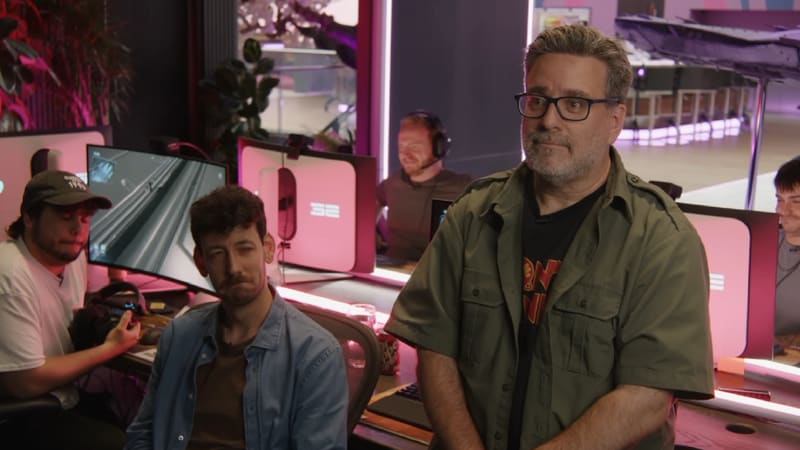
Star Citizen's laggy stream looks worse past $1 billion in funding
Star Citizen's latest public stream was disastrously laggy and socially awkward, a bad look for a project that has raised more than $1 billion. The clip cycle is not really about one bad broadcast. It is about the gap between unprecedented crowdfunding scale and ordinary production competence that audiences can see in real time.
Live presentations are now part of the product. When a studio asks the public for patience and money for more than a decade, every stream becomes an audit. Smooth combat footage can be edited. A laggy live show cannot. In 2026, communication quality is treated as evidence of engineering quality whether or not that is fair.
Key Points
- Bad optics — A laggy stream hit harder because funding already passed $1B.
- Public audit — Live shows are now treated as competence tests.
- Patience tax — Long crowdfunding projects get less charity for basic failures.
- Comms lesson — Presentation quality shapes trust as much as patch notes do.