Today's Summary
Amazon and Microsoft are testing two ways to put cloud games in front of nontraditional players: bundle them into a familiar entertainment app or subsidize owned-game streaming with ads. NVIDIA’s weekly catalog update and Halo: Campaign Evolved extend the same cross-device push. Meanwhile, Steam’s new gifting and wishlist tools show how storefront design can make large digital libraries easier to buy and manage. Alpha Dog Games returns to independent ownership, Pokémon Champions posts a $7.2 million mobile month, Develop:Brighton reaches record attendance, Splatoon Raiders launches on Switch 2, and Poinpy demonstrates that a delisted subscription game can still be restored.
Editor's Viewpoint: Distribution Is Winning, but Ownership Still Decides Trust
Amazon and Xbox are attacking the same obstacle from opposite directions. Amazon removes discovery friction by placing Luna beside the shows and movies Prime members already watch. Xbox removes the subscription price by asking players to accept advertising before streaming games they own. NVIDIA adds breadth, while Halo uses cross-platform co-op to make the device less important than the group trying to play together.
All of this is rational. Hardware is expensive, downloads are large, and most households do not want another dedicated box or monthly plan. But convenience solves access at the start of a relationship; it does not guarantee continuity at the end. Steam’s gifting changes matter because players do not only want a fast route into a game. They want confidence that a purchase will remain usable. Poinpy’s disappearance from Netflix and eventual free return is a hopeful example precisely because the industry usually treats delisting as a final state.
The competitive advantage is therefore not cloud technology by itself. It is a clear promise about what players control when a subscription changes, an ad-funded experiment ends, or a platform decides a title is no longer strategic. Distribution can make the first session almost effortless. Trust determines whether players will build a library there.
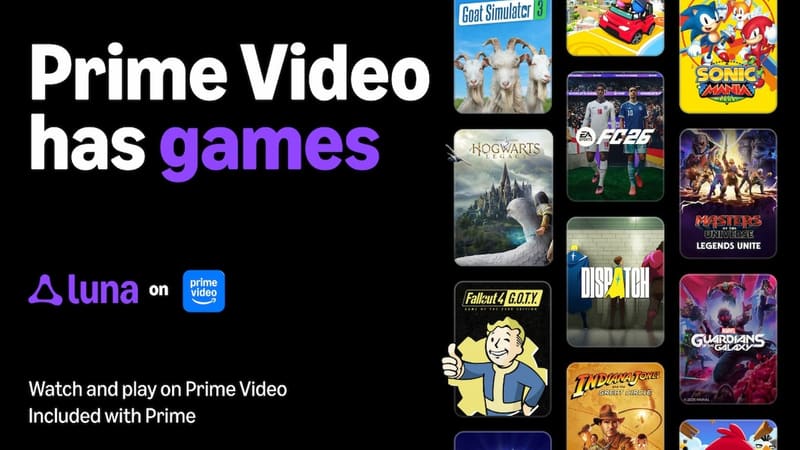
Amazon puts Luna games inside Prime Video as cloud gaming moves into the main entertainment menu
Amazon has begun adding Luna game streaming directly to the Prime Video app on Fire TV devices in the United States and United Kingdom. Prime members will see a Games tab alongside movies, television and live programming, and can launch included titles with a controller or a phone. The current Luna catalog includes Indiana Jones and the Great Circle, Fallout 4, Marvel’s Guardians of the Galaxy, Control, Dispatch and EA Sports FC 26, plus multiplayer staples such as Clue and Ticket to Ride. Amazon says the integration will expand to more countries and devices over time. The strategic move is more important than the menu change: Luna no longer has to persuade Prime customers to discover a separate gaming destination.
Key points
- Prime Video becomes the storefront — Games sit inside an app members already open.
- No extra Prime fee — Included Luna titles can be streamed by eligible subscribers.
- Fire TV starts the rollout — The US and UK are first, with broader expansion planned.
- Franchise adjacency — Amazon can place a game beside a related movie or series.
For publishers, this creates a new kind of placement: not a console shelf or a PC store carousel, but an entertainment home screen with an existing household audience. The test will be whether discovery converts into sustained play rather than a few curiosity clicks. Amazon is betting that reducing the distance between watching and playing matters more than asking users to learn another service.
Read source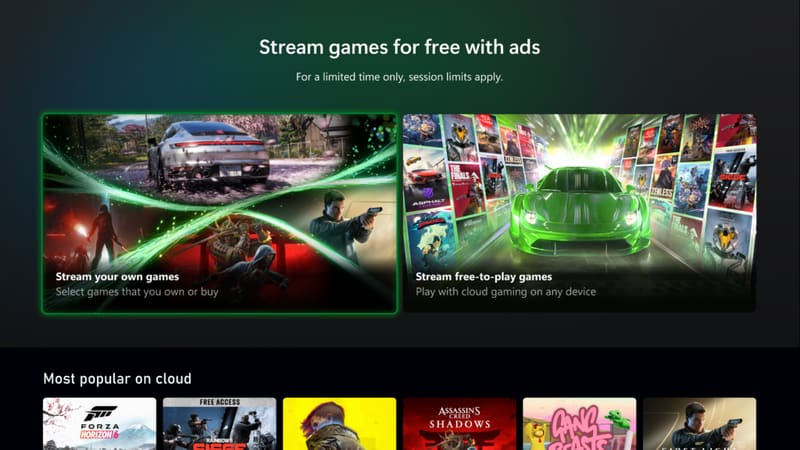
Xbox starts testing free ad-supported cloud streaming for games players already own
Microsoft has opened an Xbox Insider test for an ad-supported cloud gaming option that does not require a Game Pass subscription. Participants can stream a selection of supported games from their own libraries at no extra charge, with advertising shown before a play session rather than interrupting gameplay. The test arrives as Xbox searches for lower-cost ways to reach players who do not want another monthly subscription. It also lands on the same day that Amazon began surfacing Luna inside Prime Video, turning July 23 into a direct comparison between two distribution strategies: bundle cloud games into an existing entertainment membership, or subsidize access with ads. The Xbox test is limited and explicitly framed as a learning exercise, so pricing, availability and final session rules may change.
Key points
- No Game Pass required — The test targets players outside the paid cloud tier.
- Owned games first — Eligible library titles form the core offer.
- Ads before play — Microsoft says advertising will not interrupt the game session.
- Insider feedback — The company is testing demand and tolerance before a broader decision.
The opportunity is obvious: cloud streaming can become a lightweight way to sample or continue games without buying hardware. The risk is that “free” access creates pressure for more aggressive advertising later. Microsoft will need clear boundaries and transparent limits if it wants the option to feel like access expansion rather than the beginning of a worse paid experience.
Read source
Steam adds guest gifting, email delivery and custom wishlist categories
Valve has updated Steam’s gifting and wishlist tools to reduce friction for both regular users and people who do not have Steam accounts. Guest shoppers can now purchase games instead of being limited to gift cards and hardware, and gifts can be delivered through an email link even when the recipient’s address is not connected to a Steam account. Same-country gifts expire and receive an automatic refund after 30 days if they are not claimed; cross-region gifting still requires Steam friendship, with checkout calculating the recipient’s regional price. Wishlists now support custom categories that work like folders or tags, giving players a way to organize large backlogs by genre, priority, multiplayer group or any personal system.
Key points
- Guest gifting expands — Buyers no longer need a Steam account to send a game.
- Email delivery — A claim link replaces the need to know the recipient’s account.
- Automatic refunds — Unclaimed same-country gifts return after 30 days.
- Wishlist folders — Custom categories add organization and selective sale alerts.
These are small interface changes with direct commercial value. Gifting grows when the buyer does not need to understand the platform’s social graph, and wishlists become more useful when players can separate active intent from a decade of saved curiosities. Valve is improving discovery by helping users manage abundance rather than adding another recommendation surface.
Read source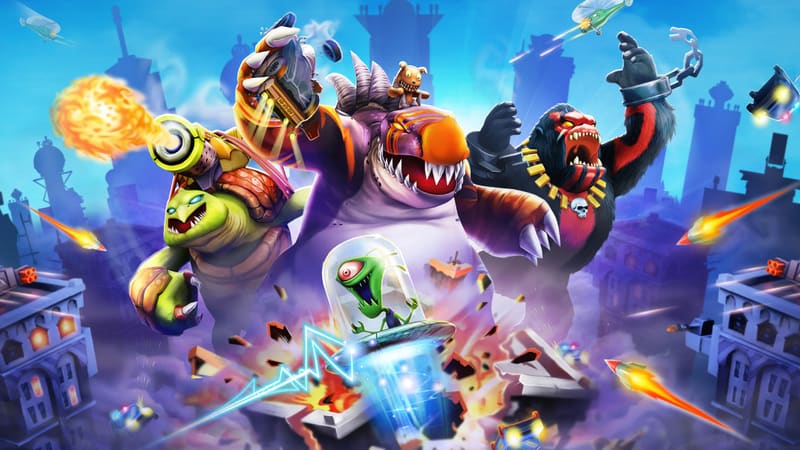
Alpha Dog Games returns as an independent studio after its founders reacquire it from Microsoft
Alpha Dog Games is independent again after its founders reacquired the company from Microsoft. The mobile studio, founded in 2012 and acquired by Bethesda in 2019, was closed in Microsoft’s 2024 round of studio cuts alongside Arkane Austin and Tango Gameworks. Alpha Dog is best known recently for Mighty Doom. Co-founder Shawn Woods says the team has continued investing in its technology and development foundation and is exploring opportunities with partners, publishers and licensors, though it is not ready to announce a project. The revival adds another path to the post-closure story. Tango Gameworks found a buyer in Krafton; Alpha Dog’s founders have now recovered control directly. Neither outcome repairs all the damage caused by closure, but both show that studio identity and production knowledge can sometimes survive corporate cancellation.
Key points
- Founders regain control — The company has been reacquired from Microsoft.
- No project announced — Alpha Dog is speaking with partners but keeping its slate private.
- Technology preserved — The studio says it continued investing in its development foundation.
- A second life — The return follows a wider pattern of closed teams seeking independent futures.
Independence does not guarantee financing, distribution or stability, but it restores agency. The next test is whether Alpha Dog can convert its team history and mobile expertise into a sustainable deal without surrendering the same control again. For the wider industry, the story is a reminder that closing a studio is a corporate decision, not proof that the people or the creative unit have no future.
Read source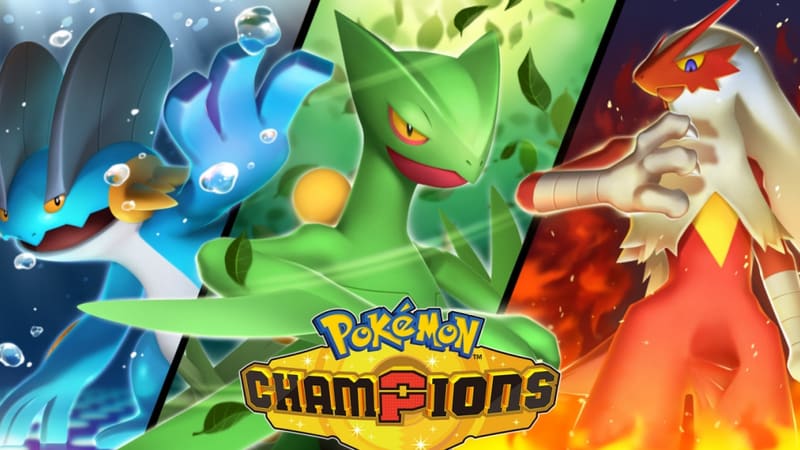
Pokémon Champions earns an estimated $7.2 million in its first mobile month
Pokémon Champions generated an estimated $7.2 million in gross mobile player spending during its first month, according to AppMagic data reported by PocketGamer.biz. The turn-based PvP battler launched on iOS and Android on June 17 after arriving on Nintendo Switch in April. Japan contributed about $3.9 million, or 55 percent of the mobile total, while the United States generated roughly $1.3 million and South Korea about $604,000. Daily mobile revenue peaked near $597,000 on June 20, then fell to around $80,000 by July 15. The numbers do not include Nintendo hardware spending, and cross-progression means some mobile-originated players may choose to purchase through Switch instead.
Key points
- $7.2M estimated mobile gross — The figure covers the first month after the June 17 release.
- Japan leads — The market supplied 55 percent of reported mobile spending.
- Strong early peak — Daily revenue reached about $597,000 near launch.
- Cross-platform blind spot — Switch spending is outside the estimate.
The launch shows the advantage of bringing a competitive franchise across console and phone without separating player progress. It also shows the familiar mobile curve: a powerful opening followed by a rapid decline that must be answered with events, balance work and a reason to keep competing. The real measure is not month-one revenue alone, but whether Champions becomes durable infrastructure for Pokémon’s competitive scene.
Read source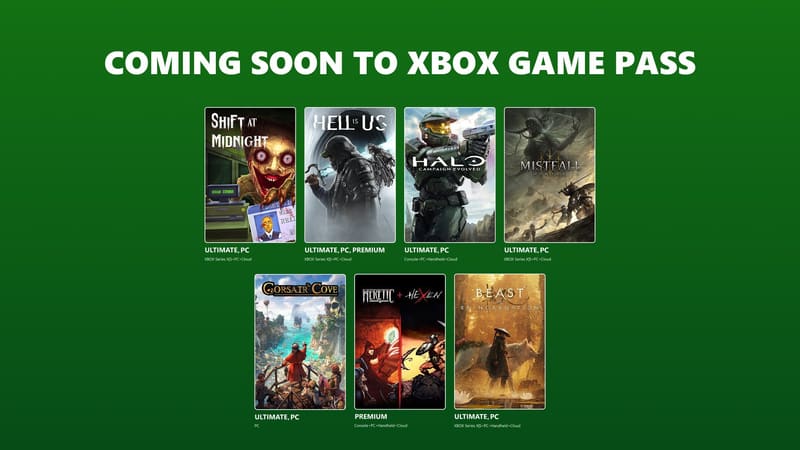
Halo: Campaign Evolved leads Xbox Game Pass’s second July wave ahead of its July 28 launch
Microsoft’s second July Game Pass update is built around Halo: Campaign Evolved, the remake of the original Halo campaign scheduled for July 28 on Xbox Series consoles, PlayStation 5 and PC. The new version supports four-player online cooperative play, two-player local split-screen, cross-platform play and online campaign cross-progression, but does not include the original game’s competitive multiplayer. The wave also includes Hell is Us, Mistfall Hunter, Corsair Cove, Heretic + Hexen and Game Freak’s Beast of Reincarnation across late July and early August. The lineup reflects Xbox’s current service strategy: first-party brands anchor the subscription, but releases now travel across rival hardware and cloud endpoints rather than serving only as console exclusives.
Key points
- Halo arrives July 28 — The campaign remake is the headline Game Pass addition.
- Co-op expands — Four-player online and two-player local play are supported.
- Multiplatform launch — PlayStation 5 joins Xbox and PC on day one.
- Catalog breadth — New releases sit beside restored id Software classics.
Halo’s presence on PlayStation would once have been the disruptive part of the announcement. Now the bigger question is whether Game Pass can turn broad availability into service value rather than simply making the game easy to buy elsewhere. The remake’s co-op design gives it a strong subscription use case: friends can coordinate across platforms, while Xbox tries to make the catalog—not hardware exclusivity—the center of the relationship.
Read source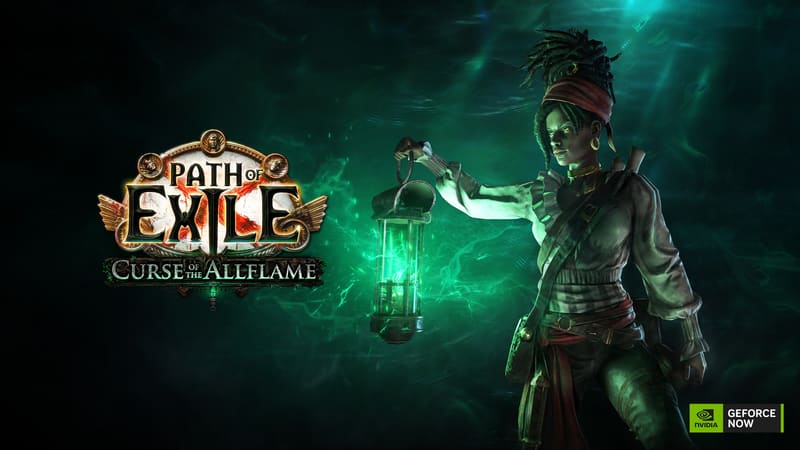
GeForce NOW adds Path of Exile’s Allflame expansion, Halo access and nine more games
NVIDIA’s latest GeForce NOW update adds Path of Exile: Curse of the Allflame, Battlefield 6 Season 4, Halo: Campaign Evolved Advanced Access and nine games to its cloud library. New arrivals include ZeroSpace, The Life and Suffering of Prince Jerian, The Planet Crafter, Carnival Hunt, Dinoblade, Breath of Fire IV, CloverPit, Dino Crisis and Dino Crisis 2. The selection mixes current launches with older Capcom titles, showing how cloud catalogs increasingly function as both day-one distribution and compatibility layers. Path of Exile’s expansion launches today, July 24, sending players into the Frozen Seas, while eligible Halo buyers can enter ahead of the global July 28 release.
Key points
- Allflame launches today — Path of Exile’s new expansion is available in the cloud.
- Nine games join — The update spans indies, Game Pass releases and Capcom classics.
- Halo starts early — Premium Edition buyers can use Advanced Access.
- Legacy access — Dino Crisis and Breath of Fire IV reach modern devices without old hardware.
Cloud gaming’s most practical selling point may not be replacing a console. It may be removing friction between the libraries players already own and the screens they already use. NVIDIA’s mix of new releases and older games makes that case better than another abstract latency claim: the service becomes useful when it preserves access and eliminates downloads at the exact moment a player wants to start.
Read source
Develop:Brighton reports record attendance for its 20th anniversary conference
Develop:Brighton says its 20th anniversary edition drew record attendance, reinforcing the value of in-person developer gatherings during a difficult year for the industry. The conference brought studio leaders, independent creators, tool makers, service companies and early-career developers together for talks, meetings and informal knowledge exchange. Its next edition is scheduled for July 13–15, 2027. Attendance records are not the same as industry health—layoffs and funding pressure can make networking more urgent—but the turnout still indicates strong demand for practical production knowledge and face-to-face connection. Conferences can provide context that platform announcements do not: how teams are actually using tools, where hiring is moving and which business assumptions are failing.
Key points
- Record turnout — The 20th anniversary edition set a new attendance mark.
- Broad audience — Studios, indies, tools and services shared the same venue.
- 2027 dates confirmed — The conference returns July 13–15 next year.
- Connection under pressure — Strong turnout arrives amid layoffs and funding uncertainty.
The best measure of a conference is what changes after attendees go home: a job lead, a production technique, a publishing relationship or a clearer decision not to chase a trend. Develop:Brighton’s longevity matters because game development is still an apprenticeship-heavy craft. The industry needs places where hard-earned knowledge can move between teams, especially when restructurings keep scattering experienced people.
Read source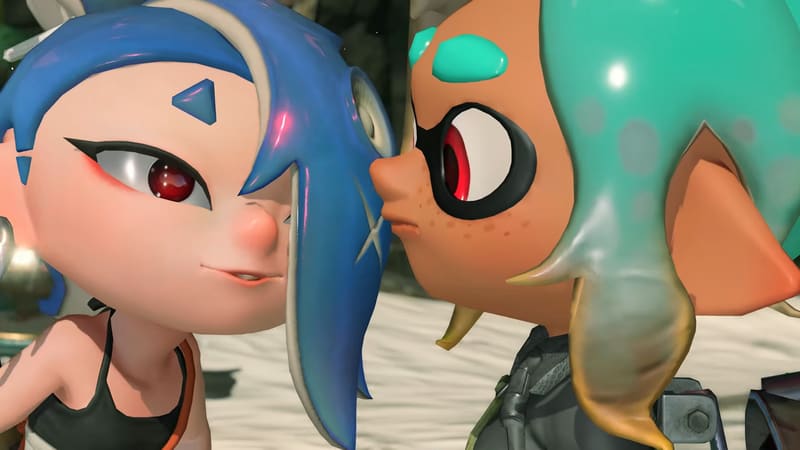
Splatoon Raiders launches as a single-player Switch 2 exclusive
Splatoon Raiders launched July 23 as a single-player spin-off exclusive to Nintendo Switch 2. The project shifts a franchise best known for competitive ink battles into a more isolated island adventure and gives Nintendo another original release designed specifically for its newer hardware. The launch is notable because the game spent long stretches outside the usual showcase cycle: Nintendo first revealed the mysterious island project through its Nintendo Today app, then kept details limited before confirming the date in a later trailer. That approach creates surprise, but it also leaves questions about Nintendo’s broader second-half lineup and how aggressively the company will use established multiplayer brands for single-player experiments.
Key points
- Switch 2 only — The spin-off is built for Nintendo’s current platform.
- Single-player focus — Raiders moves away from Splatoon’s usual competitive center.
- Island setting — Exploration and character-driven adventure shape the new format.
- Quiet marketing — Nintendo relied on app updates and targeted trailers rather than a major showcase.
A strong spin-off can expand what a franchise is allowed to be without diluting the main series. Splatoon’s visual identity and movement already support more than multiplayer matches; Raiders tests whether Nintendo can turn that language into a sustained solo journey. The result will also show whether Switch 2 owners are ready to follow familiar brands into less familiar structures.
Read source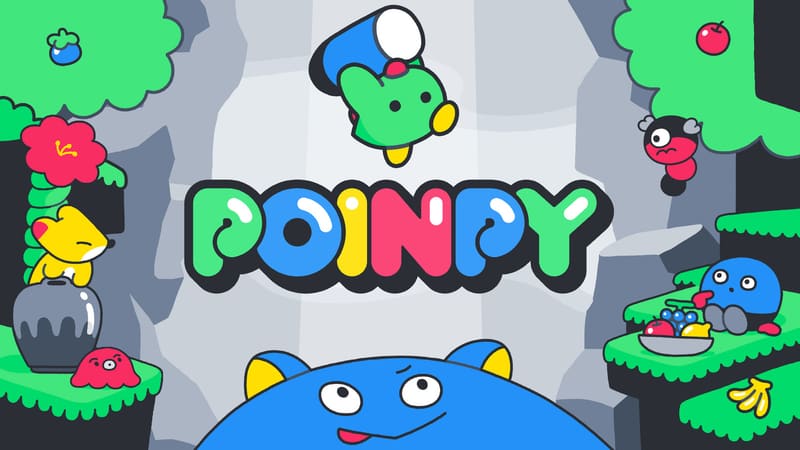
Poinpy returns to iOS and Android for free after disappearing with its Netflix delisting
Poinpy is available again on iOS and Android after spending more than a year effectively unavailable. The upward-bouncing mobile platformer launched in 2022 as a Netflix Games exclusive, then disappeared when Netflix removed it from the catalog in June 2025. Publisher Devolver Digital said at the time that it hoped to bring the game elsewhere; the new release fulfills that promise. Poinpy is now completely free, with no advertising or microtransactions, though players can send creator Ojiro Fumoto a voluntary tip. The game reverses Downwell’s downward motion, asking players to chain limited jumps, collect fruit and feed a pursuing creature while unlocking permanent upgrades across runs.
Key points
- Back after a year — The game returns following its Netflix delisting.
- Free without ads — The new release has no mandatory monetization.
- Creator tips are optional — Players can support Fumoto directly.
- A preservation success — Publisher and creator restored access instead of abandoning the game.
Poinpy is a small but important counterexample to the idea that a delisted subscription game must remain lost. Rights, maintenance and storefront work still had to align, but the outcome proves that a post-service life can be planned. Publishers should treat portability as part of production from the beginning, because players remember when a good game disappears—and they notice when someone makes the effort to bring it back.
Read source