Today's Summary
June 11 is about turning Direct excitement into practical planning: Ocarina of Time dominates the conversation, Fire Emblem details settle in, Switch 2 release guides become useful buyer tools, and analysts start reading Nintendo's software mix as a year-two platform test.
The Verge frames Ocarina of Time remake as Switch 2's biggest Direct aftershock
The Verge highlighted the Ocarina of Time remake as the headline coming out of Nintendo's June Direct, with release planned for later in 2026.
The article also placed the remake inside a wider Zelda moment, including Switch 2 upgrades and the live-action film pipeline. Nintendo is turning Zelda into both a game and media calendar.
Key Points
- Direct aftershock - Ocarina remained the biggest talking point the day after the show.
- 2026 plan - The remake gives Switch 2 a potential holiday tentpole.
- Media halo - The Zelda film keeps the franchise visible beyond games.
Fire Emblem: Fortune's Weave details settle around Dagsion and the Heroic Games
GamesRadar's Fire Emblem guide gathered the new details on Dagsion, the Heroic Games, and the central cast after the Direct reveal.
That kind of explainer matters because strategy RPGs can overwhelm casual players. Clear story framing, character names, and combat expectations make the September release easier to follow.
Key Points
- Story frame - Dagsion and the Heroic Games give the campaign a clear premise.
- Cast focus - Cai, Dietrich, Theodora, and Leda help anchor early marketing.
- Exclusive date - September 17 keeps the Switch 2 fall slate concrete.
Upcoming Switch 2 games guide becomes the practical post-Direct checklist
The updated Switch 2 games guide turned the Direct's announcements into a planning list for 2026 and beyond.
That is useful because players leave a showcase with hype but need a calendar. Dates, exclusivity, platform versions, and genre spread decide whether the hardware feels worth buying now.
Key Points
- Calendar view - The guide sorts near-term and long-term releases.
- Buyer clarity - Players can compare exclusives with ports.
- Genre breadth - RPGs, action games, cozy titles, and remakes all matter.
Times of India reads the Direct as Zelda, Minecraft, and Switch 2 support
Times of India summarized the June Direct around Zelda, Minecraft, Kingdom Hearts, and broader Switch 2 software support.
The mainstream framing is important because Nintendo needs the Direct to register with more than dedicated fans. Recognizable brands help casual readers understand why the lineup matters.
Key Points
- Mainstream summary - The Direct reached wider tech and gaming readers.
- Brand mix - Zelda, Minecraft, and Kingdom Hearts provide easy recognition.
- Support signal - The story frames Switch 2 as receiving continued software investment.
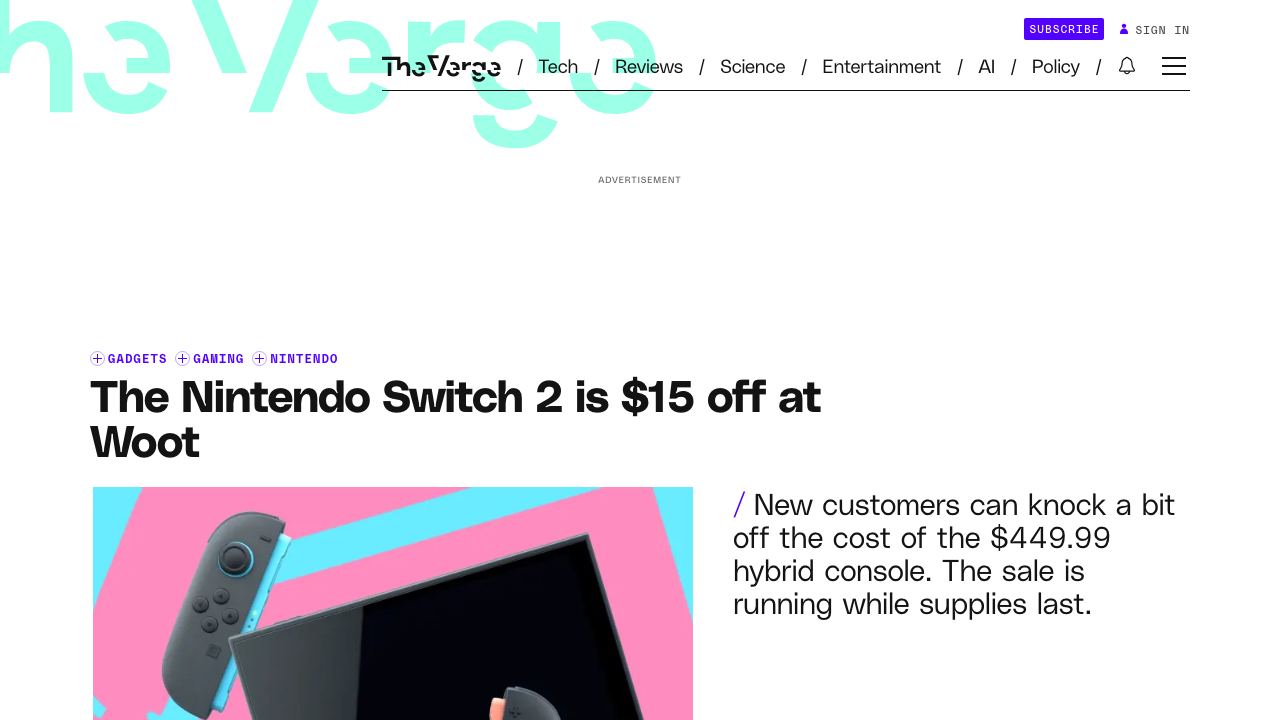
Switch 2 discount chatter shows hardware demand is now tied to software proof
A small Switch 2 Woot discount became notable because it arrived after Nintendo had just added several high-profile Direct announcements to the software story.
Discounts this small do not transform the market alone, but they make sense when paired with a stronger lineup. Hardware value is easier to argue when the release calendar feels fuller.
Key Points
- Small discount - The deal is modest but unusual enough to be noticed.
- Software context - New Direct announcements improve the hardware pitch.
- Price sensitivity - Future price movement keeps value perception in focus.
Final Fantasy and Kingdom Hearts mentions keep Square Enix visible on Switch 2
Post-Direct Switch 2 lists kept Square Enix visible through Final Fantasy Resonance, Kingdom Hearts 4, and future RPG-related platform planning.
This is a quiet but meaningful platform signal. Switch 2 can look much stronger if Japanese RPG publishers treat it as a primary audience rather than a delayed port destination.
Key Points
- Publisher support - Square Enix visibility adds RPG weight.
- Long horizon - Some listed projects extend into 2027 and beyond.
- Platform legitimacy - Major RPG support helps Switch 2 compete with other devices.
Third-party action ports become a Switch 2 performance credibility test
The post-Direct list includes demanding third-party action games, making performance and parity the next big question for Switch 2.
Players have learned to ask the practical questions quickly: resolution, frame rate, loading, content parity, and whether the portable mode is comfortable. Those details will decide how much trust the ports earn.
Key Points
- Parity watch - Ports must be judged by more than logo presence.
- Portable value - Handheld play can be the advantage if performance holds.
- Publisher confidence - A strong port lineup can encourage more support.
Total War: Warhammer 40,000 keeps strategy fans talking after PC showcase week
Total War: Warhammer 40,000 continued to draw attention after the PC showcase because it promises a large strategy translation of a setting that already has deep tactical language.
The newcomer angle remains crucial. If Creative Assembly can teach players without flattening the strategy, this could become one of the broader strategy releases of the year.
Key Points
- Newcomer design - Tutorial and campaign structure can grow the audience.
- Big IP - Warhammer 40,000 already brings strong visual recognition.
- Cross-platform question - Console controls and readability will be watched closely.
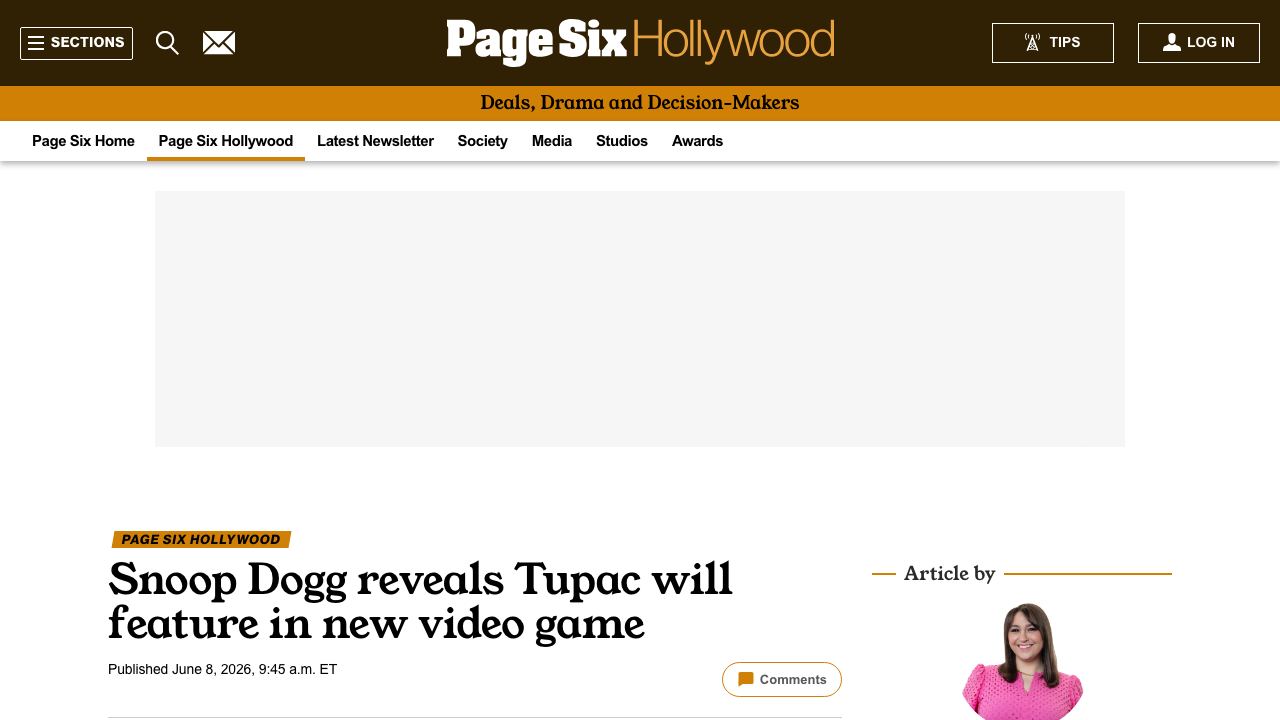
Stranger Than Heaven and Tupac coverage underlines games' expanding celebrity lane
Coverage of Tupac appearing in Stranger Than Heaven kept the Sega and RGG project in mainstream entertainment conversation after Summer Game Fest.
The interesting part is not only celebrity novelty. It is how games are becoming places where estates, musicians, studios, and fans negotiate memory and representation.
Key Points
- Mainstream reach - The story traveled outside traditional gaming outlets.
- Rights sensitivity - Estate collaboration is central to trust.
- Narrative ambition - Music history can support a richer game world if handled carefully.
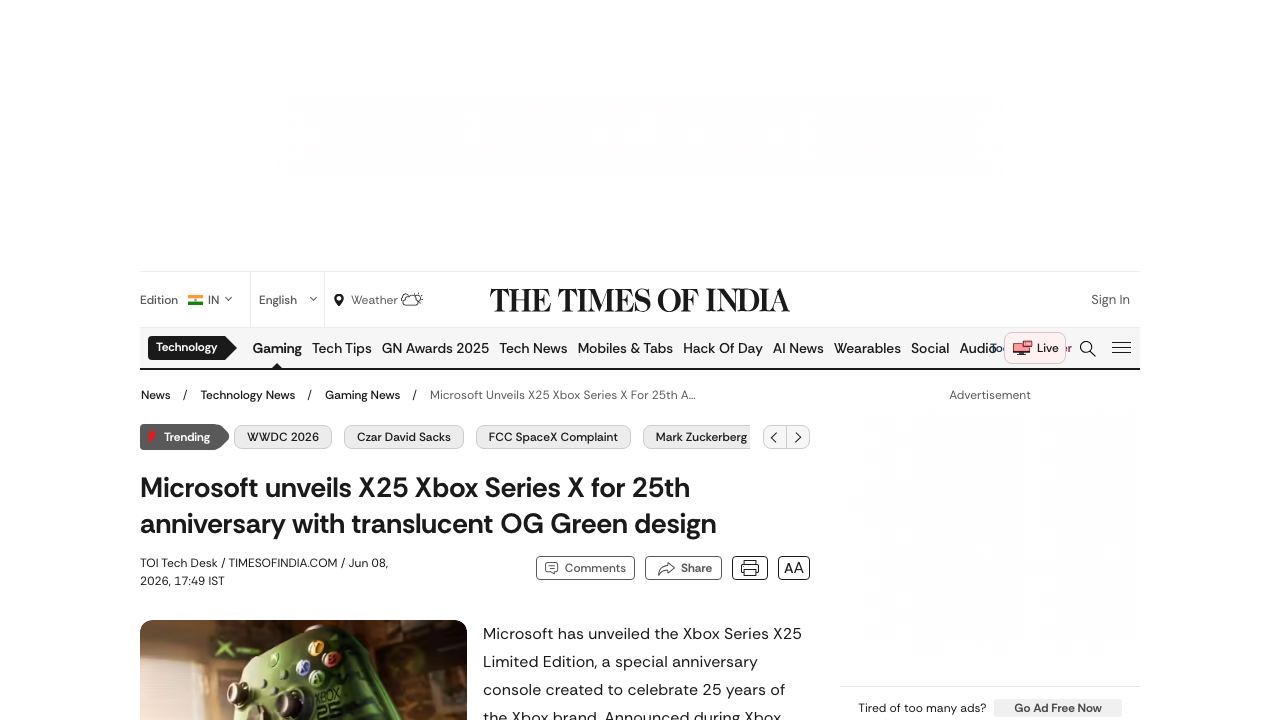
Xbox X25 shows platform nostalgia competing with Nintendo nostalgia in the same week
Microsoft's translucent Xbox Series X25 stayed in the news as Nintendo dominated attention with Zelda nostalgia.
The comparison is useful. Both companies are leaning on memory, but in different ways: Xbox with collector hardware, Nintendo with a remake of one of its most important games.
Key Points
- Nostalgia race - Both platform holders used history as a marketing tool.
- Different products - Xbox showed hardware design while Nintendo showed software legacy.
- Collector appeal - Visual identity can still matter when hardware specs are unchanged.