Developer brief
The practical message today is operational. A physical booth needs more than a playable build. A festival page reveals how crowded the competition is. A game jam can become a public feedback loop. A clear content policy can prevent confusion before players ever touch the game.
BitSummit exhibitor rules turn booth prep into a production checklist
BitSummit PUNCH will run May 22 to May 24 at Miyako Messe, with exhibitor rules covering booth size, power, equipment responsibility, headphone use, no booth internet, overseas visitors, and recommended English translations for control panels.
For teams showing a game physically, these details matter as much as the build. If the demo needs online services, loud audio, fragile hardware, or staff explanation for basic controls, the booth experience can fail even when the game itself is strong.
Practice takeaway
- Make an offline booth build: Assume weak or unavailable internet unless the organizer confirms otherwise.
- Localize controls: English control cards help visitors and press understand the game faster.
- Plan audio and reset flow: Headphones, quick restart, and short demo loops keep the line moving.
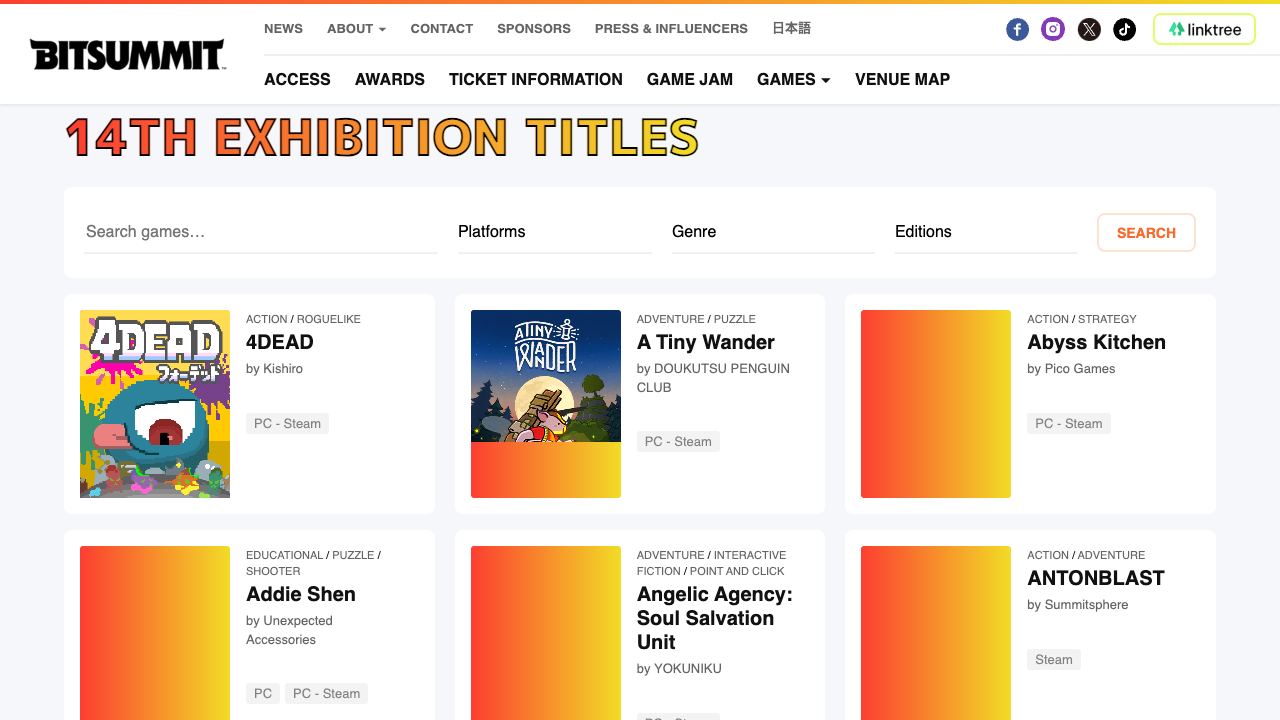
BitSummit official selections show why category fit matters
The BitSummit games page lists a dense set of official selection titles across platforms and genres, with hundreds of PC and Steam entries and visible genre filters spanning action, adventure, puzzle, RPG, simulation, roguelike, interactive fiction, and more.
For indie teams, the page is a reminder that festival competition is not just about whether a game is good. It is about whether the game is legible inside a crowded category and whether its capsule, booth, and pitch make the right player stop.
Practice takeaway
- Study the neighboring games: Know what players will compare your booth against.
- Clarify platform story: State whether the build is Steam, Switch, web, mobile, or console-ready.
- Use genre filters honestly: Correct category fit helps the right visitors find you.
Psyche Game Jam keeps scope humane for sensitive narrative work
Psyche Game Jam 2026 runs through Mental Health Awareness Month and gives participants two months rather than a compressed weekend. It encourages narrative-based games around mental health topics, while explicitly making room for new games, demos, or ongoing projects.
For developers, the design lesson is care. Sensitive themes need time for tone, feedback, and player expectations. A relaxed jam structure can create better conditions than a frantic sprint when the subject matter asks for empathy.
Practice takeaway
- Use slower jams for sensitive themes: More time helps writing, content warnings, and playtest response.
- Ship a focused slice: A demo can validate tone without forcing a full game.
- Prepare the page carefully: Context, tags, and warnings are part of the player experience.
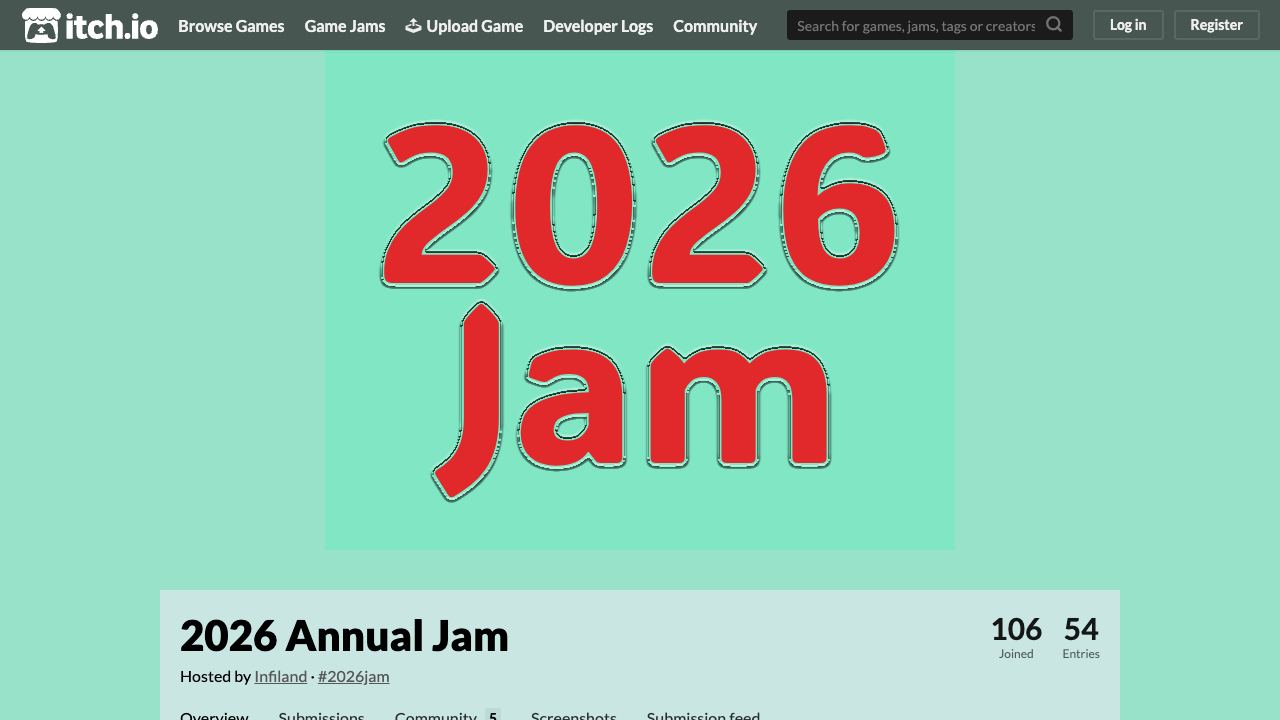
2026 Annual Jam shows how clear AI rules shape contributor trust
The 2026 Annual Jam allows games made during 2026 in any engine or genre, while setting a clear rule against AI content in games and allowing AI for code assistance. It also has a long open submission window and many browser-playable entries.
For indie developers, this is a useful policy pattern. If the project, community, or jam has a stance on AI assets, say it clearly before submissions or feedback begin. Ambiguity creates conflict later.
Practice takeaway
- Write asset rules early: Clarify art, music, writing, code assistance, and disclosure.
- Favor browser builds for feedback: Low-friction play increases the chance that people actually test.
- Use long windows for cadence: A year-long jam can support monthly milestones instead of one crash sprint.