Developer brief
Today points to one lesson: discovery work is production work. A demo build, Steam page, trailer, short-form clips, and a small jam project are not side quests. They are how a team proves the game can be understood, tested, and remembered before launch pressure arrives.
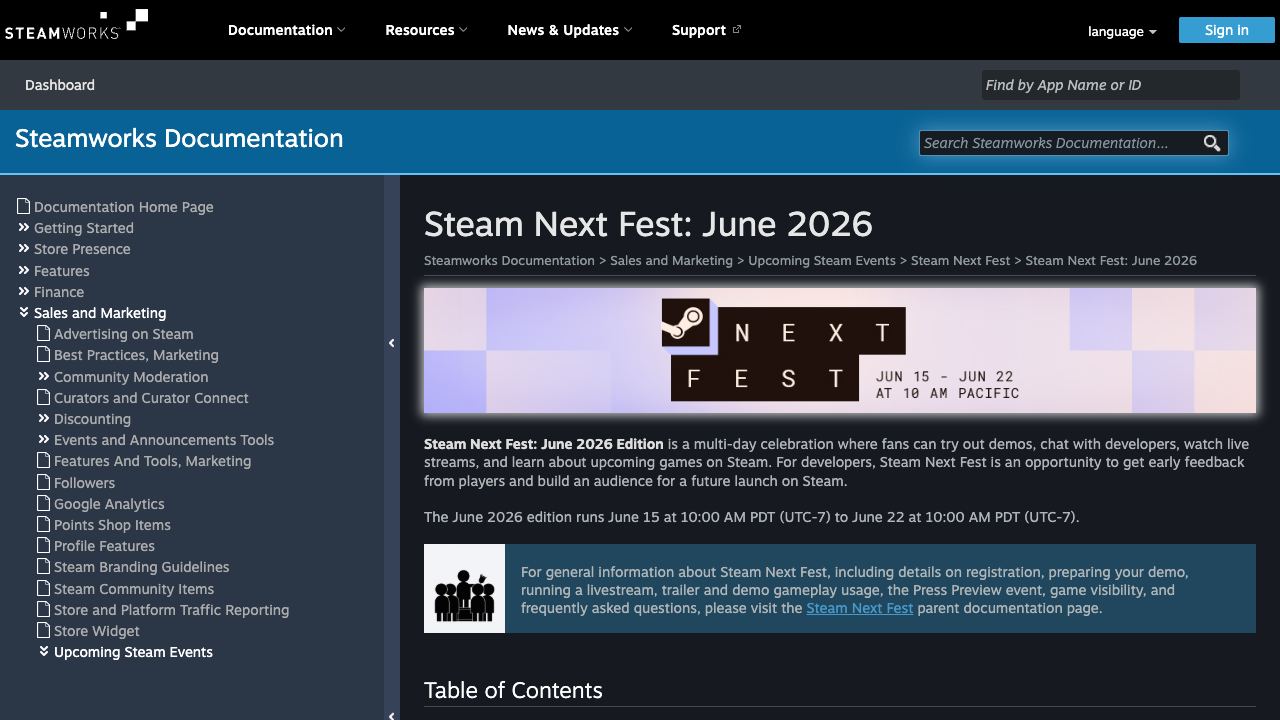
Steam Next Fest turns May 18 into a demo readiness checkpoint
Steamworks lists May 18 as the date by which teams should have submitted the demo build and store page for review if they want the demo live at the start of the press preview. For small teams, that is less a calendar note and more a production discipline test.
The practical implication is simple: a demo is not ready when it runs on the lead developer machine. It is ready when the store page, trailer, screenshots, capsule art, controls, save behavior, and onboarding have all survived review and outside hands.
Practice takeaway
- Review buffer: Submit early enough to absorb store page or build review issues.
- One clean promise: Make the demo teach the hook in the first few minutes.
- Press preview fit: Prepare an easy route for streamers, press, and players to understand what to show.

Next Fest data argues against risky last-minute demo drops
Chris Zukowski analysis of February 2026 Steam Next Fest warns that surprise-dropping a demo right before Next Fest is usually too risky for ordinary teams. The stronger pattern is to have a demo in players hands earlier, gather wishlists, then arrive at the festival with evidence and momentum.
For indie developers, the lesson is not to chase the exception. Experienced teams with existing audiences can take unusual swings. Newer teams should treat demo iteration, creator outreach, and wishlist building as a months-long pipeline.
Practice takeaway
- Do not gamble the first test: Let players find problems before the biggest traffic window.
- Build velocity honestly: Use the weeks before a festival for updates and outreach, not emergency repair.
- Measure the demo: Track play time, drop-off points, wishlists, and player questions.
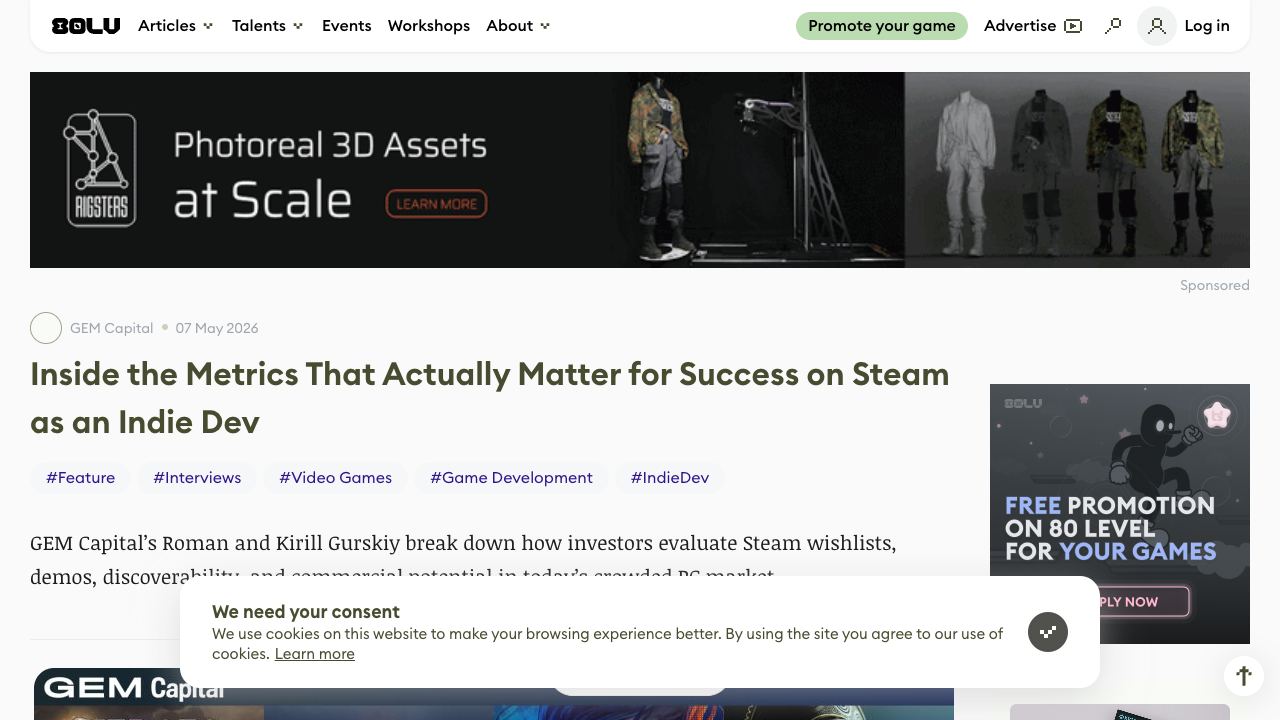
Wishlist quality matters more than a raw number alone
80 Level interview with GEM Capital focuses on how investors and publishers read Steam traction. Wishlists matter, but the article stresses context: region mix, how quickly the list grew, whether the growth is organic, what the cost per wishlist is, and whether the demo has already happened.
For developers, that means the Steam page must make the game legible fast. Genre, hook, trailer opening, screenshots, and tags have to line up with the real game. If the page attracts the wrong audience, visits will not turn into useful wishlists.
Practice takeaway
- Audit the first 10 seconds: The trailer should show play, not just mood.
- Keep three core promises: Too many selling points make the page harder to understand.
- Track source quality: Separate organic interest from paid or low-intent traffic.
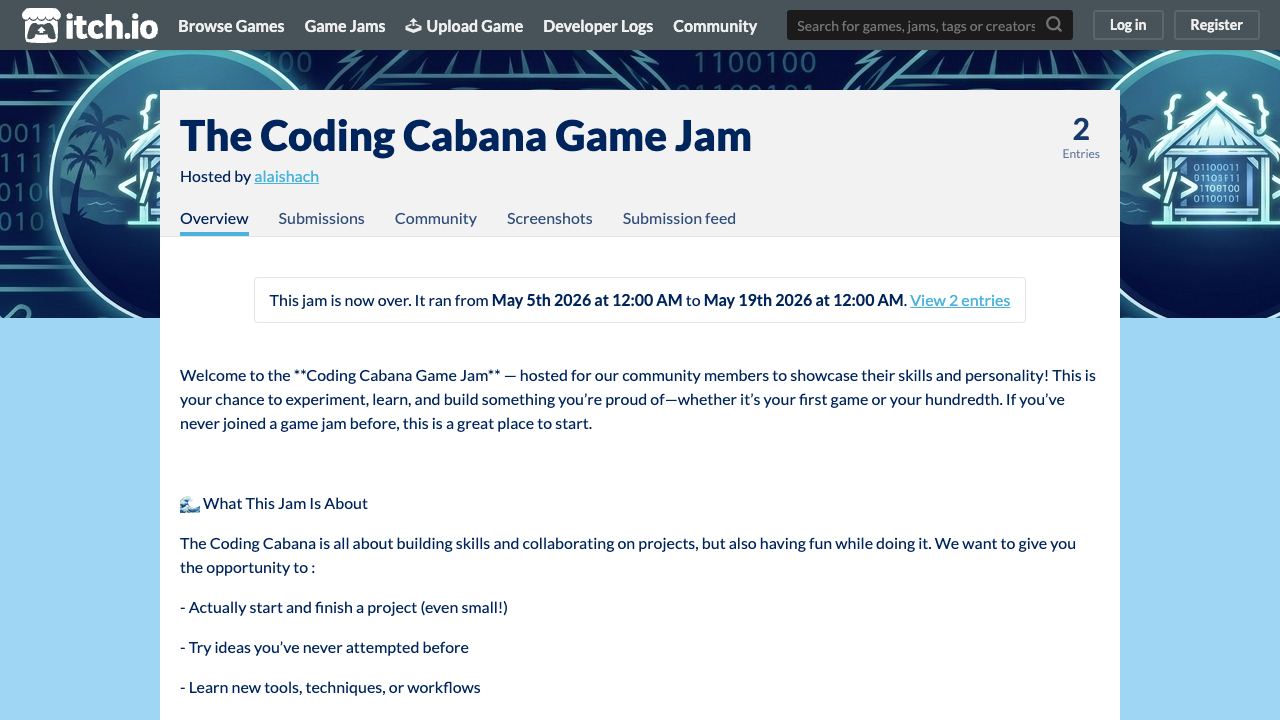
A small game jam deadline is still a serious production exercise
The Coding Cabana Game Jam runs from May 4 to May 18 and frames the event around starting, finishing, learning, and making something participants are proud of. That sounds modest, but for indie developers it is the exact muscle many long projects lose.
Short jams are useful because they create a clean finish line. A team can test an input idea, UI pattern, combat loop, or narrative mechanic without turning the prototype into a forever project.
Practice takeaway
- One mechanic only: Use the jam to prove a loop, not an entire product plan.
- Ship a playable build: A rough browser build teaches more than a private concept document.
- Write the lesson down: End with what to keep, cut, and retest.