What mattered today
The week closes with platform scheduling doing the heavy lifting. Players are being pointed toward what to play next week, subscription catalogs are being staged before they unlock, and official monthly pages keep Switch 2 discovery from going quiet between larger beats.
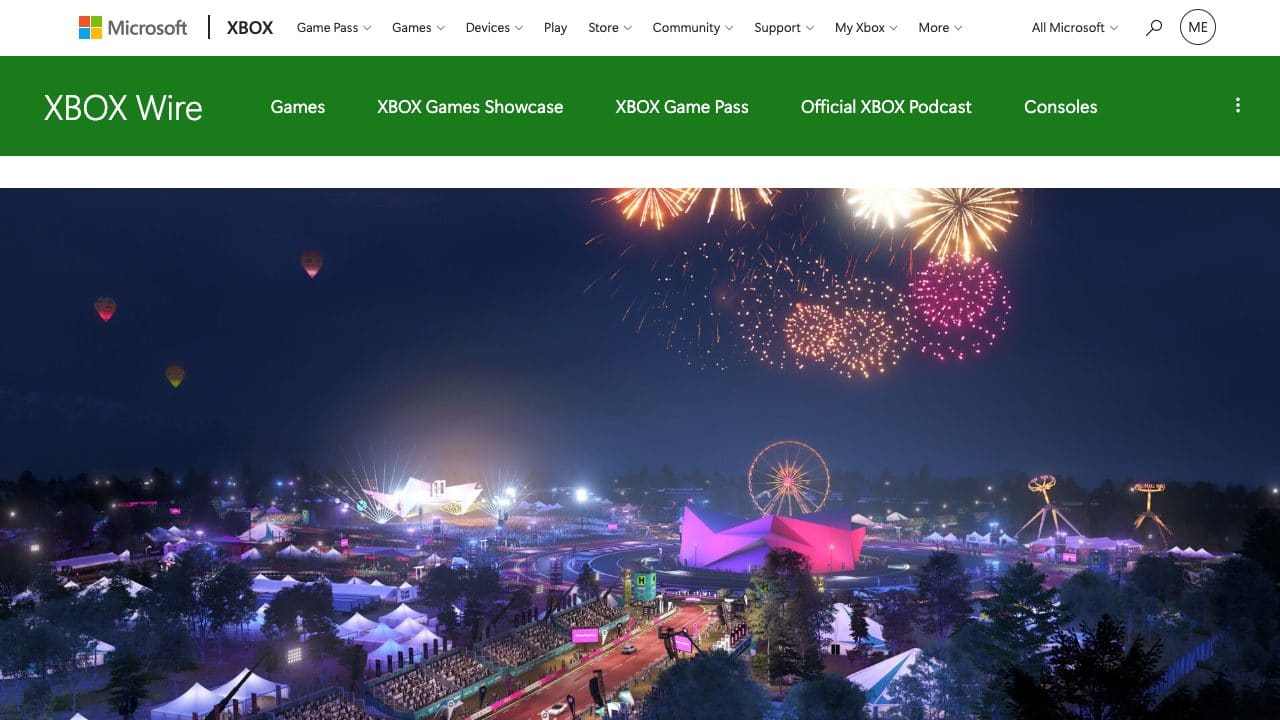
Xbox turns attention to May 18 to 22 before the week starts
Xbox Wire's next-week page is a practical discovery tool: it turns a crowded release lane into a date-based list players can scan quickly. For a platform, that is valuable because it keeps attention active before the games are actually live.
Weekly release posts also help smaller games share space with larger names. The page gives puzzle, arcade, sports, racing, and adventure releases a shared platform surface instead of forcing every game to earn attention alone.
Source: Xbox Wire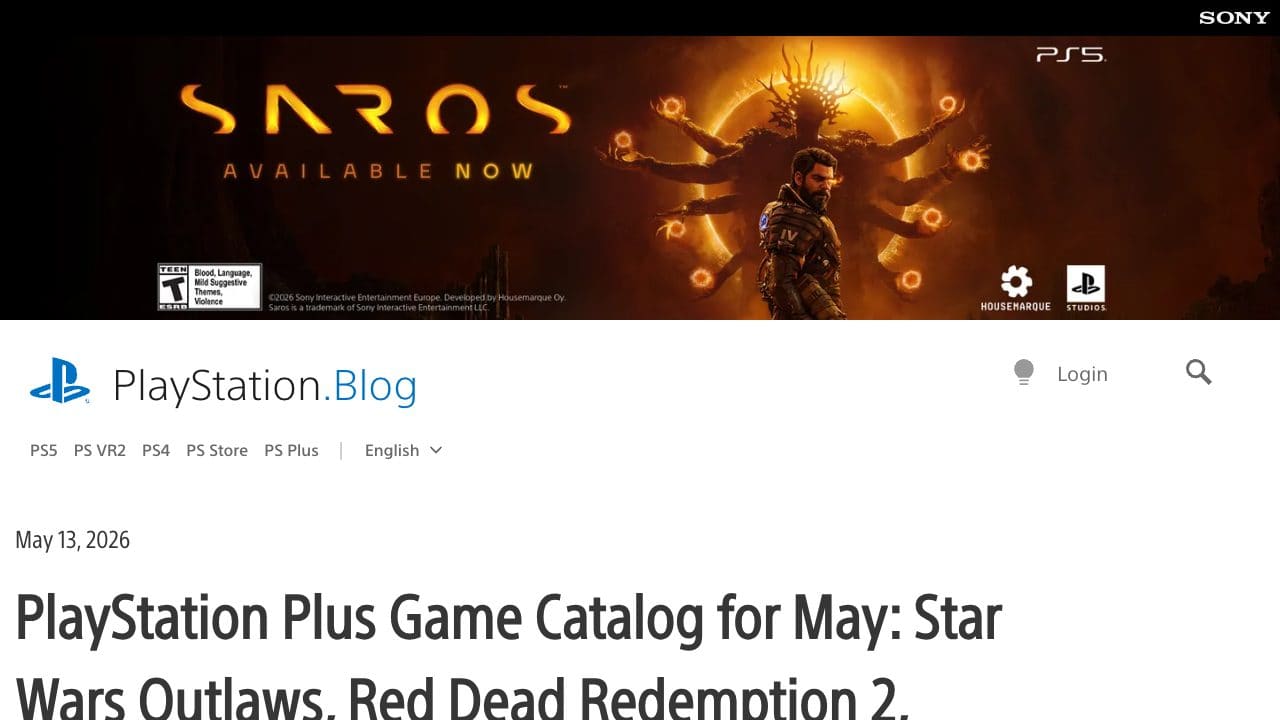
PlayStation Plus keeps its May catalog story alive before unlock day
The May PlayStation Plus catalog lineup was announced on May 13, but its real player moment is May 19. That makes May 15 an in-between day where reminder value matters: players have enough time to plan what to download first.
Star Wars Outlaws and Red Dead Redemption 2 create the broad hook, while Bramble, The Thaumaturge, and Time Crisis give the catalog more texture for players looking beyond one headline game.
Source: PlayStation Blog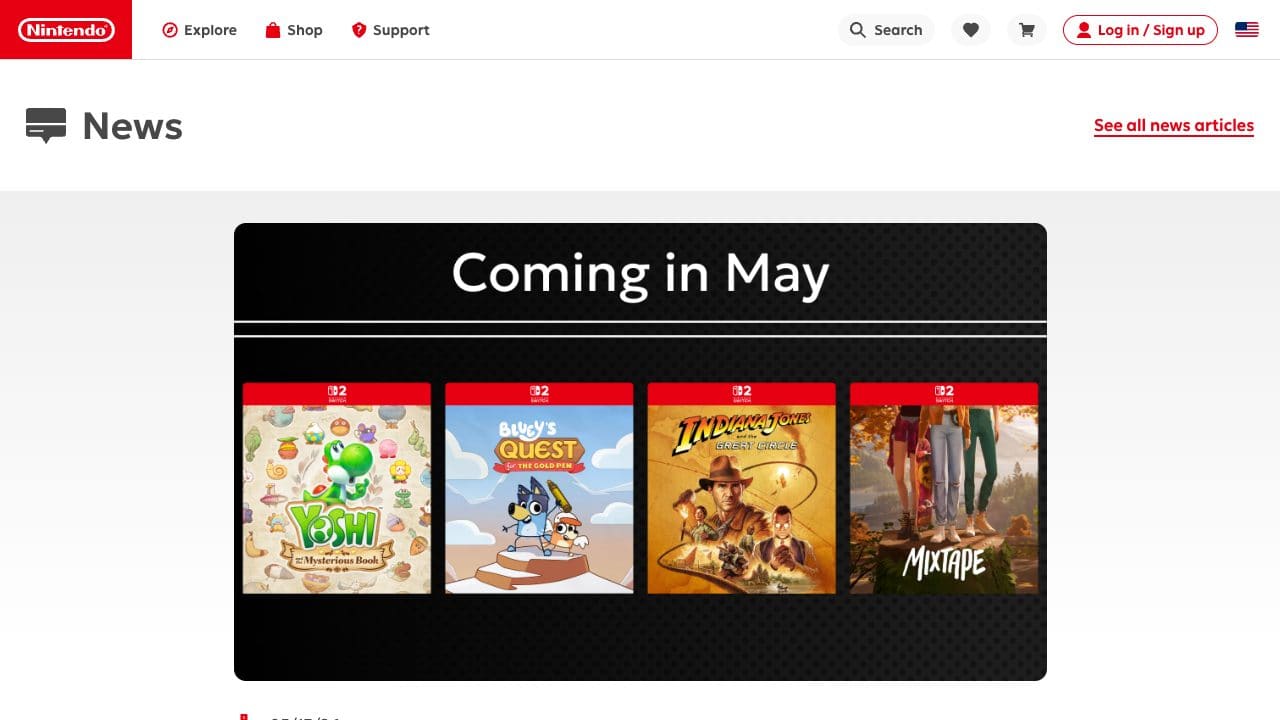
Nintendo's May arrivals page keeps Switch 2 search demand collected
Nintendo's monthly arrivals page continues to work as a central landing page for Switch 2 curiosity. It gives players one place to connect different styles of games instead of searching each title separately.
That matters for discovery because a new platform needs repeated, organized reminders. Monthly pages help turn scattered launch-window interest into a clearer shopping and watchlist path.
Source: Nintendo
Unity's 6000.0 stream remains a useful production signal
Unity 6000.0.75f1 is not a consumer headline, but release continuity matters to studios and small teams. Production developers watch these updates for stability, fixes, and whether a long-term project can safely stay on a given editor line.
For browser game operators, that kind of toolchain visibility matters too. Many playable web games depend on engine export paths staying reliable long after the first launch.
Source: Unity