Daily Brief
April 7 had the feel of a real pivot day. Starfield crossed onto PlayStation, Xbox refreshed Game Pass with another busy wave, and Nintendo’s competitive Pokémon push kept the next 48 hours from feeling like a one-company story.
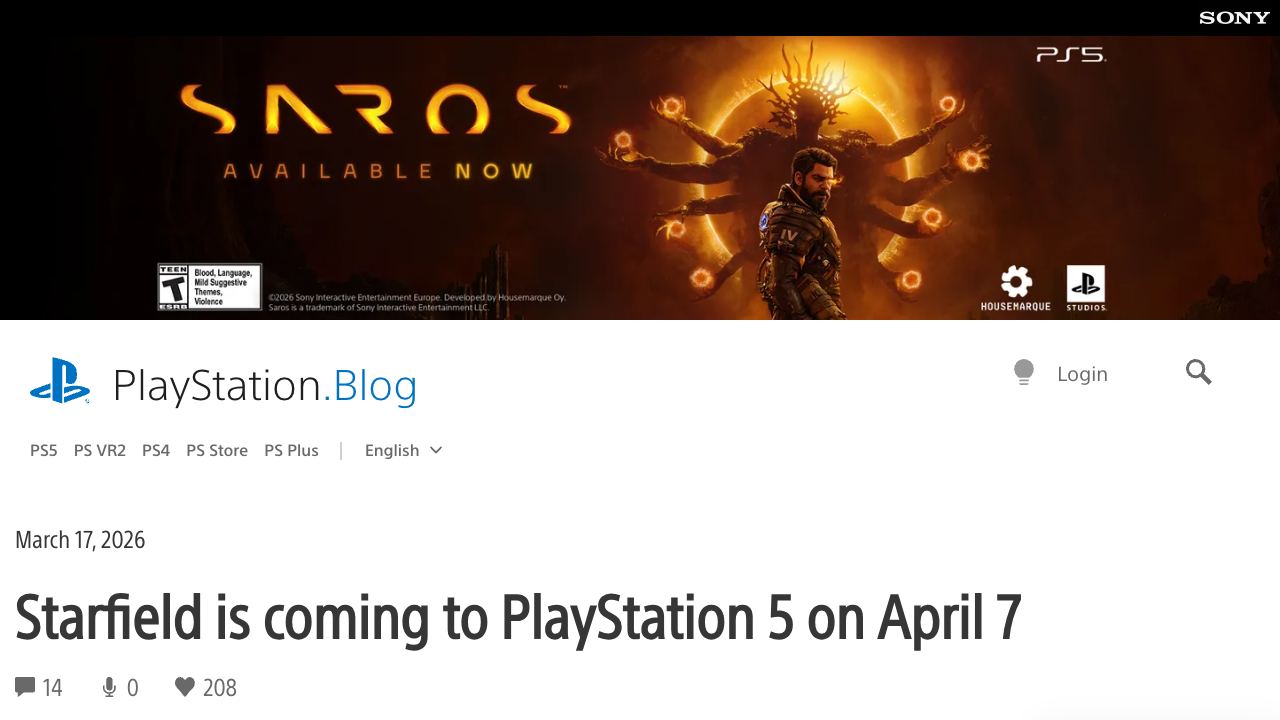
Starfield landing on PS5 became one of the week’s clearest cross-platform milestones
Bethesda confirmed that Starfield reached PlayStation 5 on April 7 alongside its biggest free update so far and a new story expansion. The move is bigger than one SKU: it marks another formerly platform-defining release settling into a wider distribution strategy.
For industry watchers, the headline is about ecosystem economics as much as audience reach. Platform walls are thinner than they looked a few years ago, and major publishers now have more reason to chase total addressable market once the exclusivity window stops making financial sense.
Why this landed hard
- Cross-platform shift: Another headline game widened its console footprint.
- Launch bundle: The PS5 arrival came with a major free update and new DLC.
- Market read: Exclusive prestige matters less when long-tail sales are on the table.
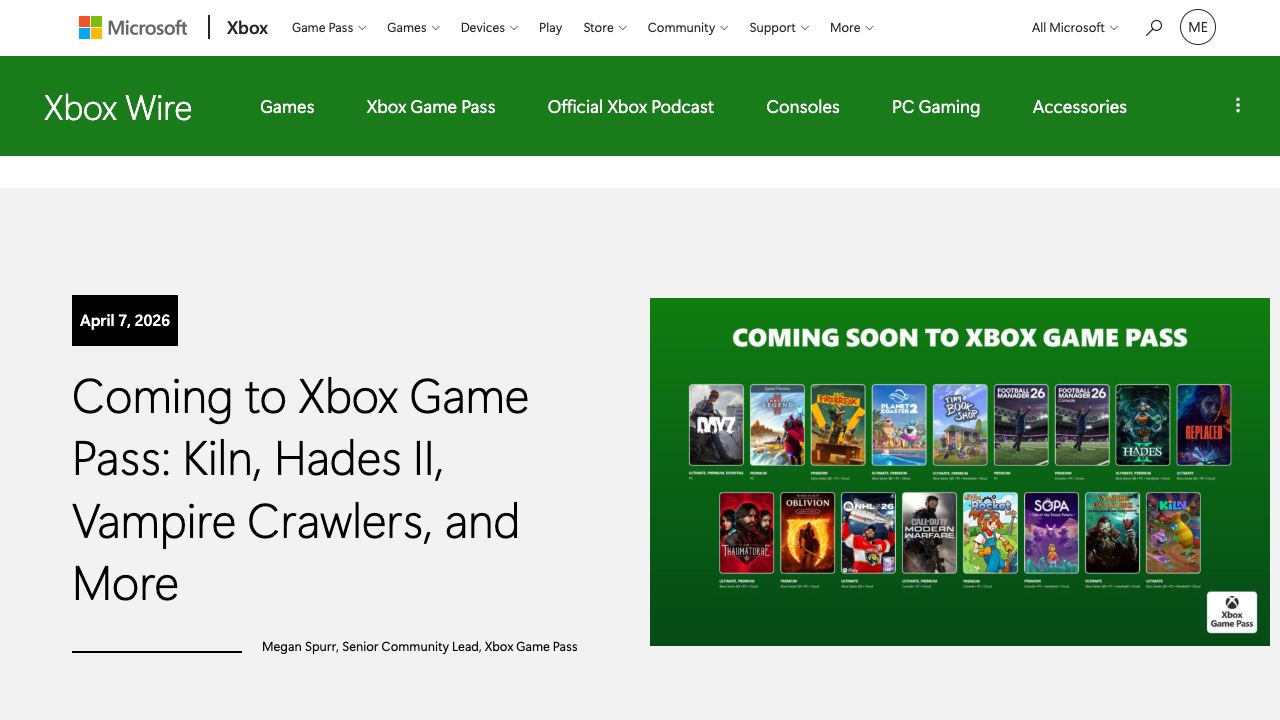
Xbox Game Pass wave one stacked April with Hades II, Replaced, Kiln, and more
Microsoft’s April 7 Game Pass post was a dense one: Hades II, Replaced, The Thaumaturge, Football Manager 26 Console, and later-month titles like Kiln all gave the service fresh momentum. It was also notable for how heavily the update leaned on day-one and conversation-friendly picks instead of back-catalog padding.
For developers, this kind of lineup is a reminder that subscription value is now built on rhythm, not just scale. The services that keep earning attention are the ones that space out meaningful arrivals and pair them with smaller-but-distinctive titles that players might not have bought outright.
What stood out
- Cadence: Microsoft kept April busy with a steady run of releases rather than one tentpole.
- Variety: The mix covered RPGs, strategy, sports, and stylish indie projects.
- Discovery effect: Services work best when recognizable hits sit beside lesser-known games.
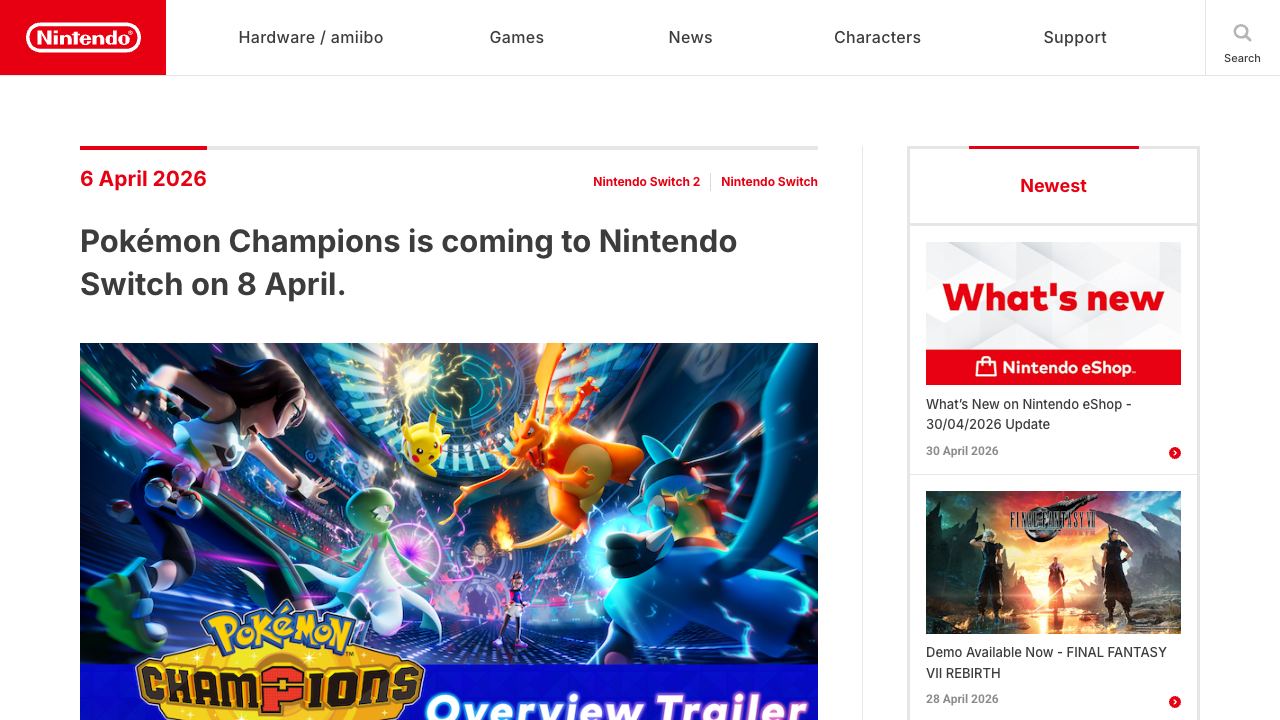
Pokemon Champions gave Nintendo a clean competitive hook at the start of the week
Nintendo’s April 6 announcement set up Pokemon Champions for an April 8 release on Switch and mobile, framing it as a free-to-start battle-first experience rather than another giant exploration RPG. That makes it easier to read as a long-term competitive platform move, not just a side project.
The important angle for developers is positioning. Nintendo is carving out a dedicated lane for fast, repeatable competitive play while keeping the broader Pokemon brand available for bigger premium adventures. Segmenting the audience this way can extend the life of an IP without forcing every product to do everything.
Why it matters
- Competitive focus: The pitch is built around battles first, not sprawling progression.
- Platform spread: Launching on Switch and mobile broadens the funnel immediately.
- Business logic: Free-to-start lowers entry cost while preserving room for premium Pokemon releases.
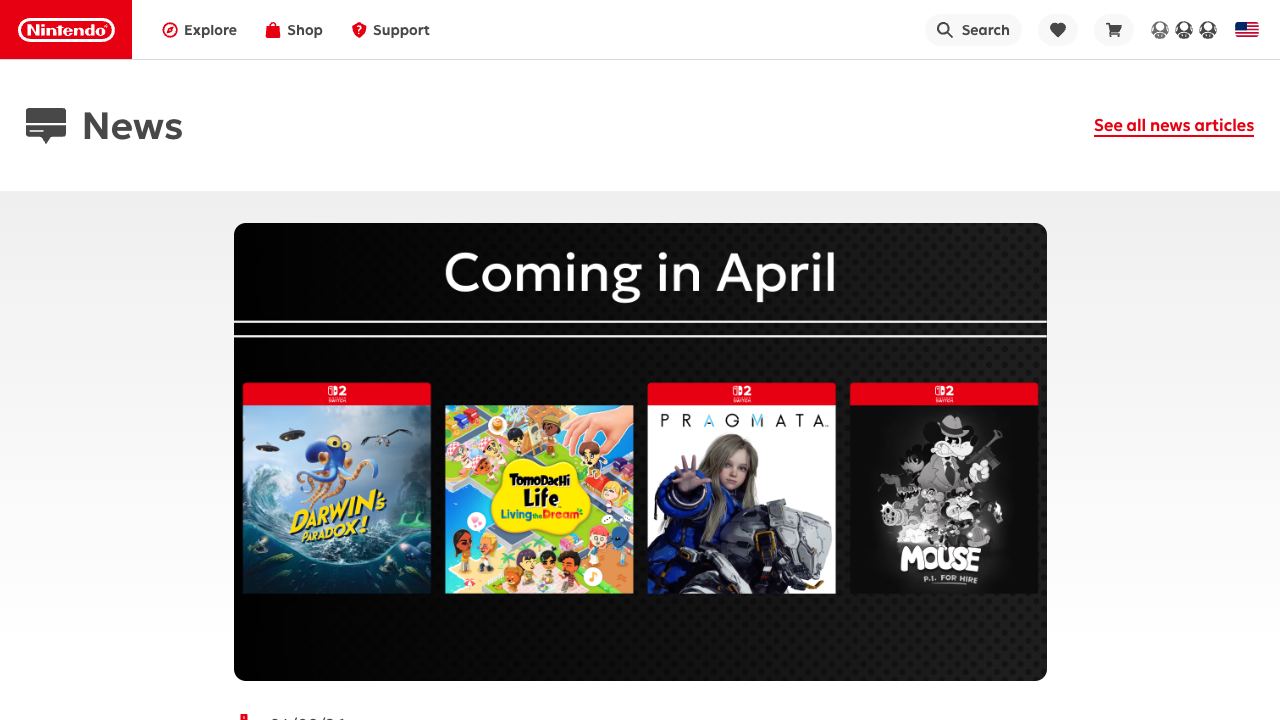
Nintendo’s April arrivals page turned mid-month into a compact Switch release cluster
Nintendo’s April arrivals roundup made the back half of the month look busier than many players may have realized. Tomodachi Life: Living the Dream, Gecko Gods, MOUSE: P.I. for Hire, and PRAGMATA all sat within a tight mid-April stretch, creating a concentrated release moment for both Switch and Switch 2 owners.
For developers, curated monthly release pages are worth tracking because they show which launches a platform holder wants to put side by side. That context shapes discovery, comparisons, and storefront browsing behavior just as much as a standard release calendar does.
What this page told us
- Dense window: Nintendo grouped several distinct titles into one mid-April discovery push.
- Mixed portfolio: Life sim, puzzle adventure, stylized shooter, and sci-fi action all shared the lane.
- Storefront context: Curated monthly pages influence what players browse together.