Daily Brief
By April 5, the shape of the month was getting clearer. Platform teams were stacking softer but still important beats: charts, curated shelves, demo funnels, and hardware-level upgrades that quietly raise expectations for everything shipping after them.
PlayStation published March download rankings and gave publishers a fresh demand snapshot
Sony’s monthly download chart for March 2026 arrived on April 3, giving one of the cleanest public reads on what actually converted across PS5, PS4, PS VR2, and free-to-play traffic. These rankings are especially useful when official sell-through numbers are still sparse.
For a site like BestGames, this kind of chart matters because it shows what players are still willing to buy in a crowded launch window. For developers, it is another reminder that strong platform merchandising and replayable hooks can keep a game visible well beyond launch day.
Developer takeaways
- Signal quality: Download charts offer a rare platform-level demand pulse without waiting for earnings calls.
- Tail sales: Games with momentum can stay in the public eye for weeks after launch.
- Store visibility: Strong curation and front-page placement still matter a lot on console storefronts.
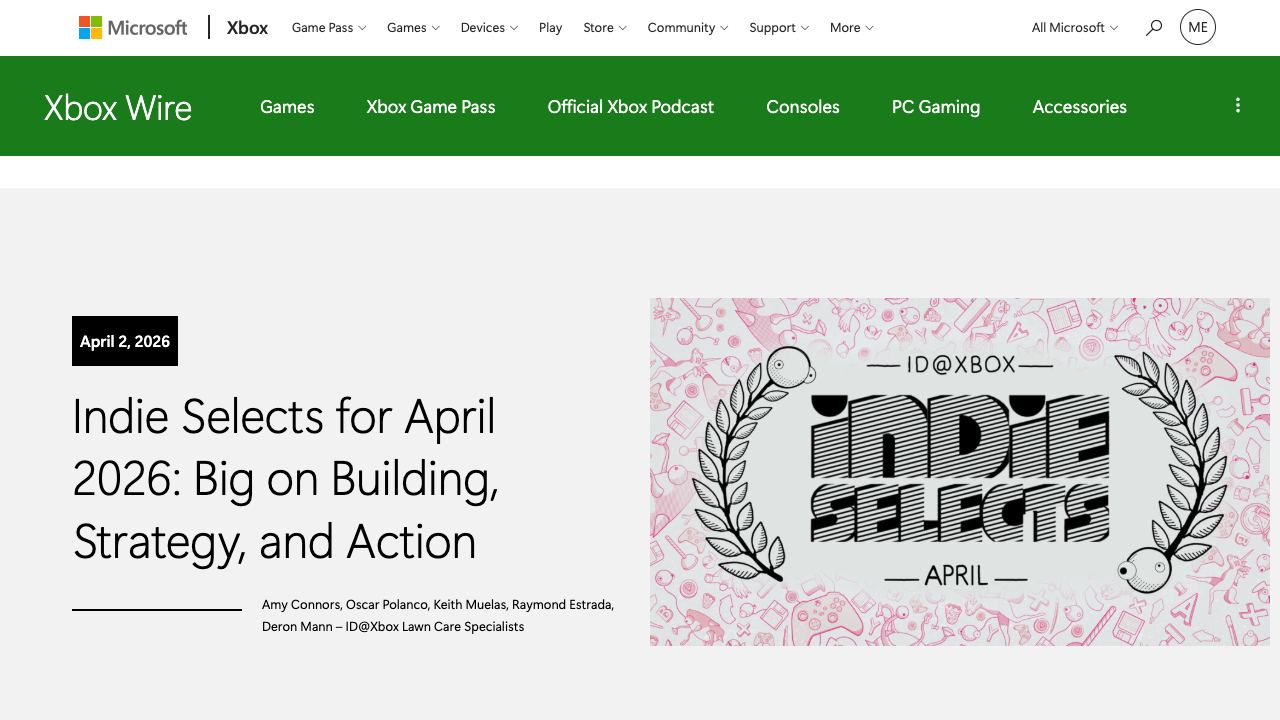
ID@Xbox rolled out April Indie Selects with a strong curation push for smaller teams
Xbox’s April Indie Selects spotlight leaned into building, tactics, and action projects, with the Xbox team framing the monthly hub as a rotating discovery surface rather than a one-day promo blast. That matters because discoverability is still one of the hardest problems for smaller studios to solve on console.
The collection also signals how Microsoft wants to present indie games in 2026: not as leftovers between AAA beats, but as a steady programming lane with editorial support. Consistent curation like this can materially improve conversion for teams that cannot buy their way into attention.
What indie teams should notice
- Editorial shelf space: Xbox is still investing in named curation lanes for smaller releases.
- Genre breadth: Strategy, builders, and stylish mid-scope action games all made the cut.
- Long-tail upside: A rotating hub can keep featured games visible longer than a launch-day mention.
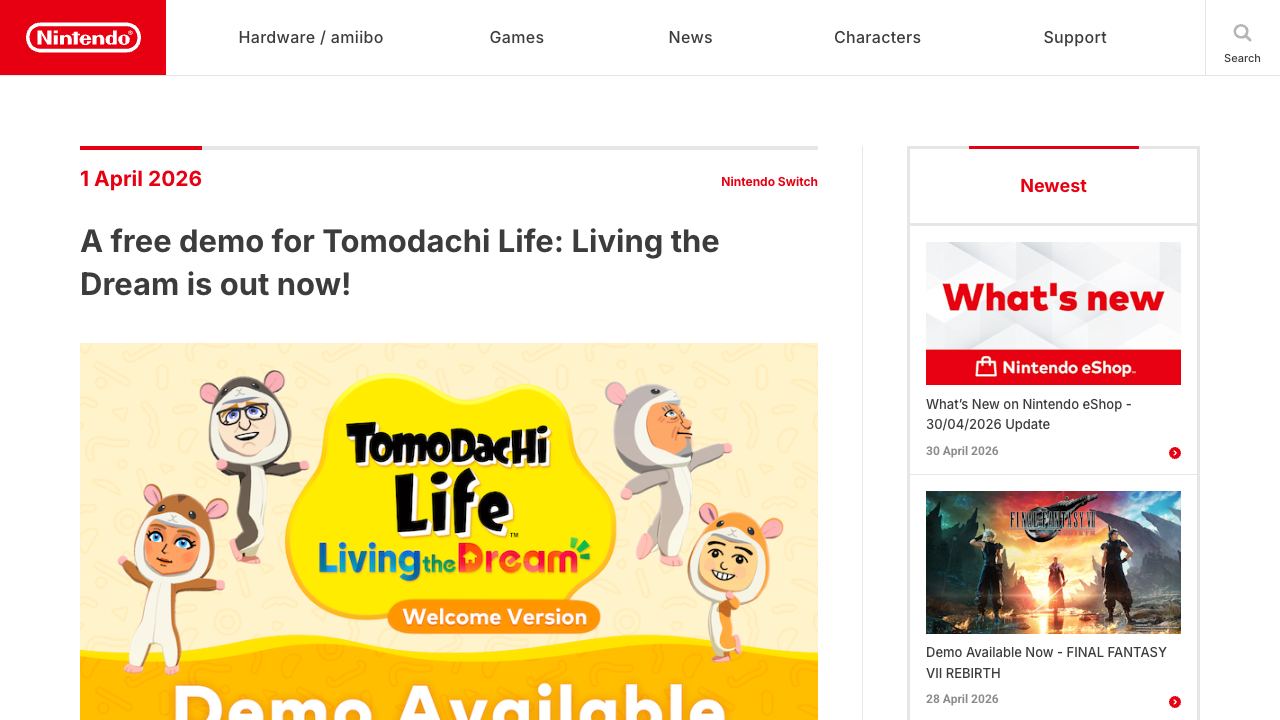
Nintendo pushed a free Tomodachi Life demo to warm up the April 16 launch
Nintendo used the start of April to put a free Tomodachi Life: Living the Dream demo on the eShop, complete with save transfer and a small cosmetic reward for players who finish it. It is a straightforward move, but it shows how Nintendo is smoothing the funnel for a quirky first-party game that depends on player attachment more than instant spectacle.
For developers, this is another example of demo strategy being used as onboarding instead of pure marketing. The reward structure is light, the conversion path is clean, and the whole pitch is built around lowering friction rather than overselling the product.
Why the demo matters
- Low-friction trial: Players can sample the game without losing progress.
- Conversion design: Save transfer and a small bonus reward make purchase feel continuous.
- Marketing lesson: Gentle onboarding can fit life-sim games better than loud countdown campaigns.
Sony’s upgraded PSSR started showing up in shipping games instead of just roadmap talk
By April 6, Sony’s upgraded PSSR rollout had shifted from promise to visible implementation, with Assassin’s Creed Shadows among the games officially benefiting from the newer upscaler path on PS5 Pro. That is the kind of platform-level rendering change developers actually track because it affects how they budget performance modes and visual messaging.
This is not just a hardware enthusiast story. Better reconstruction tech gives teams another lever for balancing image quality, frame rate, and art direction without rebuilding huge chunks of content. The more widespread these updates get, the more performance expectations on premium consoles move upward.
Why devs pay attention
- Shipping reality: The upgraded upscaler is now in live games, not just in platform presentations.
- Production value: Better reconstruction widens the range between performance and fidelity tradeoffs.
- Competitive pressure: Once players notice the gains, similar quality becomes the new baseline.